
Whoa. I didn’t expect a wallet extension to change the way I think about on‑chain UX. Seriously? Yeah. At first it was curiosity—just another Chrome extension to try—but somethin’ about the way it surfaces risks and previews transactions hooked me. My instinct said “this is different,” and then the details backed that up.
Short story: if you spend your days bouncing across Etherscan, Layer‑2s, and obscure DEXs, Rabby cuts through a lot of noise. It’s fast, low friction, and built around the idea that you should see what a transaction actually does before you sign it. That sounds simple, but for power users it’s massive. On one hand you get quicker flows. On the other hand you gain more control over permissions and simulations, though actually the security tradeoffs are subtle and worth talking through.
Here’s the thing. Most wallets focus on send/receive and a slick swap UI. Rabby focuses on the transaction itself—what contracts will be called, what approvals you’re granting, how much gas you’ll burn—and then gives you context. Initially I thought that was overkill. But after nearly bricking one DeFi rake with a careless approval, I appreciated the extra layer of visibility.
A quick tour for DeFi power users
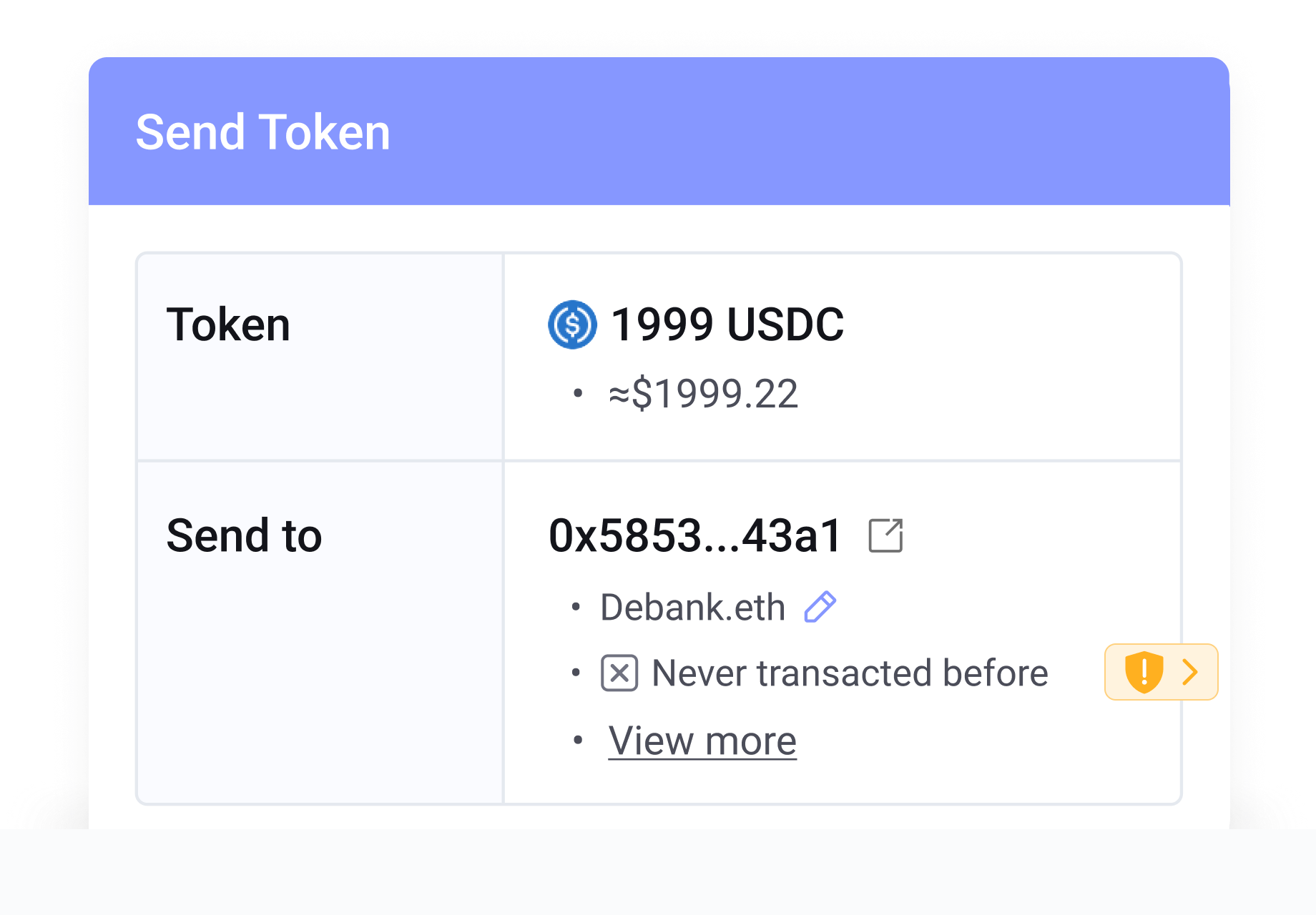
Okay, so check this out—Rabby supports multiple chains and wallets and tries to keep the mental model consistent across them. You can connect hardware wallets like Ledger, use multiple accounts, and switch networks without the weird intermediate states that other extensions sometimes throw at you (you know what I mean). It also surfaces a transaction preview: which contracts will be called, what parameters are being passed, and a plain‑English summary when possible. That preview is a sanity check that I now rely on.
I should be clear: I’m biased toward tools that reduce cognitive load during active trading or contract interaction. Rabby does that by simulating outcomes and warning on risky approvals. I’m not 100% sure every simulation is perfect—no simulator is—but they help catch a lot of the careless stuff people do when they auto‑approve allowances, or trust a site implicitly.
Another part I like: allowance management. It’s very very important. Rabby makes it easier to see which contracts have token allowances and to revoke them without hunting through multiple explorers. This is one of those small UX wins that pays off later, when you realize you’ve got a dozen approvals lingering from fast trades and random airdrops.
Performance matters too. The extension runs smoothly. Transactions are staged clearly. And if you use multiple wallets and chains, the switch feels natural rather than jarring. Still, there are edge cases where network latency or RPC glitches will show up—nothing magical there.
Transaction simulation: more than a nicety
Simulation is the heart of Rabby’s value prop for advanced users. It tries to predict the state after a transaction, highlighting slippage, failed calls, or suspicious token transfers. That reduces surprises—especially when interacting with complex contracts or newly launched protocols. My experience: simulation saved me once from a mistakenly set high slippage swap that would have executed into a sandwich attack window.
That example is anecdotal, but it’s representative. The mental model changes: instead of signing and hoping, you get a chance to interrogate the transaction. It’s not a perfect shield, so don’t lean on it as the only defense. Use it alongside hardware wallets, small test amounts, and sanity checks on contract addresses.
Also, Rabby’s UI makes revoking allowances and managing approvals less painful. You’ll still need to pay gas to revoke, obviously, and sometimes the UX for multi‑token approvals is messy—but having the visibility is a win.
Security posture and tradeoffs
Of course security isn’t binary. Rabby reduces certain classes of risk—social engineering and accidental approvals—by surfacing information and adding friction at the right moments. But it’s not a substitute for good opsec. Keep a hardware wallet for bulk funds. Keep small hot wallets for active trading. I do both.
On the privacy side, it behaves like a typical browser extension: you’re trusting the extension and chosen RPC endpoints. Use trusted RPC providers, and if privacy matters, layer with your own node or a privacy‑focused RPC. I’m not preaching paranoia, but I’ve learned that small assumptions about RPCs can become big leaks over time.
One caveat: no wallet eliminates smart‑contract risk. Rabby helps you understand interactions, but it cannot tell you if a DeFi contract has a malicious backdoor. Use audits, community signals, and models of trust when onboarding new protocols.
How to get Rabby (and what to expect)
If you want to try it, search the Chrome Web Store or grab a vetted build, and make sure you verify extension signatures and source if you care about tamper resistance. For convenience, I’ve used the official page—like the one linked here for basic downloads and docs. Install it like any extension, create or import an account, and play with simulation on a small test swap first. That’s how I learn a new tool: tiny bets, quick failures, then scale up.
Some practical tips: connect a hardware wallet for custodial separation, set allowance limits when possible, and enable transaction simulation in settings if it’s not on by default. Also, when you see a red warning about an approval or an odd transfer, pause. Seriously—pause. A lot of bad transactions happen because people rush through confirmations.
FAQ
Is Rabby compatible with Ledger and other hardware wallets?
Yes. Rabby supports Ledger and similar hardware devices for signing. Use hardware wallets for larger balances and treat hot extension accounts for short‑term trading. This hybrid setup reduces blast radius if a browser profile is compromised.
Does the transaction simulation catch all possible issues?
No. Simulations greatly reduce common pitfalls but aren’t foolproof. They analyze the transaction logic against current chain state and typical failure modes, but they can’t predict every MEV attack or off‑chain oracle manipulation. Treat simulation as an additional guard, not a guaranteed shield.
Where do I download the extension safely?
Grab it from the official source and verify the extension page carefully. For a starting point and documentation, see rabby wallet. Always double‑check the extension ID and reviews if you’re on a public store.
Alright—closing thought: tools like Rabby won’t replace diligence, but they lower friction for safer interactions. I still trip up occasionally; you probably will too. But these tools let you fail smaller and learn faster. That’s worth a lot in DeFi, where mistakes are expensive and lessons are forever on the ledger.