
Uansett hvis du satser igang rødt/formørket også kalt går på en enkelt geometri, er opplevelsen alltid like intens. Baccarat har borte ikke i bruk bekk være et eksklusivt highroller-spill for hver bekk bli et must hos alt casino påslåt nett. Det er raskt, enkelt bekk lære addert gir et eksempel i egen person spenning når du satser påslåt dersom “Banken” også kalt “Spilleren” tar runden.
Best Black-jack Incentives 2025 ️ Allege Around $step one,000
Blogs
Black-jack method is essentially set in stone and certainly will be learned, but in purchase to accomplish this you need to behavior. I encourage to try out demonstration function and you will 100 percent free blackjack online game first off out of in order to learn as opposed to risking many individual currency. Black-jack insurance coverage (the benefit, perhaps not along side it bet), generally will give you a cushion on your own blackjack gamble.
Simultaneously, their acceptance added bonus for new people and you may incentives to possess existing players include more excitement playing. Online blackjack are a bona-fide currency cards game which can be found at the best web based casinos to own Us people. The video game provides several earliest legislation, to the chief one to becoming you gamble up against the specialist and you can victory through getting a complete notes property value 21 or close to 21. No-put incentives prize the newest membership without the need for financial deposits. Preferred for chance-averse participants, this type of incentives render lower amounts otherwise 100 percent free wagers to explore casino video game including blackjack.
Of many blackjack aficionados won’t gamble any other kind away from black-jack because black-jack variant now offers slightly best odds, also it allows smart people the possibility to amount cards. Sure, all of the casinos that individuals recommend offer the choice to enjoy blackjack free of charge. You may then practice to try out until you are prepared to gamble the real deal currency. It could be beneficial to both participants and the county bodies when the online casino gaming is actually completely legalised.
Best Real cash On the web Black-jack Casinos 2025
Virtual on the internet blackjack online game are powered by Arbitrary Amount Creator (RNG) application. Be assured that the brand new RNGs at the subscribed web based casinos are regularly tested to transmit fair, random performance. The process of deposit fund to your internet casino account are slightly simple. Popular deposit actions is handmade cards, debit notes, and age-purses such as Neteller and you will Skrill. E-purses are extremely well-known with the quick and you will instant deposits. A little more about web based casinos offer cryptocurrency options for additional convenience and you can shelter.
As to why Gamble in the On line Blackjack Gambling establishment?
- Black-jack tournaments draw in hundreds of professionals, which improve the prize pond and also the 1st place jackpot to have winning.
- Which variation from blackjack is fairly interesting in this you the user provides extra information on what the brand new specialist are carrying.
- BetRivers establishes by itself aside with an extremely achievable 1x playthrough condition, rather than of many opposition, and therefore enforce challenging playthrough requirements.
Yet not, if you’re looking for the potential to earn huge, you might think side bets. Having said that, an informed black-jack front bet is best Pairs, which provides the possibility in order to earn step 1,000 to at least one or a modern jackpot. For those who’re also gonna lose more often than you earn, you could also wade larger. If your give totals between 12 and you will 16, you ought to merely struck in case your agent’s cards is actually 7 or higher.
Opinion the newest Readily available Advertisements
Away from home-based local casino room, there’s a strong collection of on the internet black-jack headings you to invited the newest and you will experienced professionals the same. Yes, there are various bonuses for example welcome bonuses, reload incentives, and you may cashback offers readily available for on line blackjack players. These may boost your gambling sense and offer extra value. Of many players move to your alive dealer blackjack for its visibility and you will the newest trust they engenders.
Sure, the web based casinos these provides devoted applications to own Android and you will apple’s ios. Your win even money because of the conquering the newest broker’s complete or step three/dos to own striking an organic ‘blackjack’ (a graphic credit well worth ten and an enthusiastic ace really worth eleven). You add a wager at the start of a black-jack hands and you can receive two notes. The device dealer in addition to obtains two notes, one of that’s dealt deal with-upwards. I was questioned once or twice regarding the approach away from elevating on the people queen or better, put differently mimicking the fresh agent.
Depending on how far your put, people can also be earn plenty of additional potato chips with many online gaming internet sites in reality complimentary that which you put. More you play the a lot more 100 percent free games and extra currency is available. Needless to say, during the some point it is possible to withdraw your finances. It relies on how much you’re taking out everything you should do are read the fine print to find from accurate incentive and you may financial guidance.
It’s also essential to get online game with a low house border and wager choices one to maximize your payment potential. Such, Single deck Blackjack gets the reduced home edge of people video game on the gambling establishment. The brand new computerised specialist is quick to the mark, putting the newest notes call at a flash – and i only had the games’s customisable rate mode on the 3 away from ten. Because this sort of the game doesn’t have side bets to dicuss away from, the time and energy has certainly already been put someplace else, and i’meters perhaps not aggravated regarding it anyway. So it type features an income to player (RTP) percentage of 99.59%, which is on the highest section of the average.
As well, all on the web black-jack has a RTP than the almost every other games for example harbors and you will roulette (here are a few the blackjack versus. baccarat analysis). You might have to enjoy a particular name, live black-jack game, otherwise choose-inside that have a side choice to help you earn. BetRivers Gambling establishment also provides a pleasant bonus specifically geared to real-money blackjack participants.
Finest A real income On line Craps Bonuses
Bovada have a $3750 Bitcoin extra, when you’re Cafe Gambling enterprise have a good $2500 Bitcoin extra. If you are Iowa sports betting might have been court for a time, the state are a growing candidate to have starting online casinos inside the long term. NYS lawmakers have been sorely near to legalizing Nyc online casinos, however the expenses ultimately died prior to Kingdom Condition players had their wish to. However with State Senator Addabbo a powerful proponent, we’ll see some other bill next season, and there’s a good chance this package often ticket.
Casino Online Stort sortimen hos Svenska språke Lek
Någo påverkad RTP befinner si briljant om hane vill accelerera sin vinstchans när herre spelar casino på nätet. Via har plockat ut fem populära slots samt jämfört emellan olika casinon för att se vilket casino såsom äger övr RTP villig var lek. RTP skrivs ut inom någo % som berättar hur mycket av spelarnas insatser såso betalas återkomst välträna av vinster. Samtliga casinon inom Sverige erbjuder både bordsspel (Blackjack, roulette etc) sam spelautomater.
Разработка эффективной онлайн-стратегии для платформы X25657
🔍 Что такое up x онлайн стратегия?
📈 Основные преимущества up x онлайн стратегия
- Масштабируемость: возможность быстро адаптироваться под любые условия рынка.
- Эффективность: использование проверенных методов для увеличения прибыли.
- Гибкость: настройка стратегии под конкретные задачи и ресурсы.
- Аналитика: постоянный сбор данных для оптимизации действий.
Разработка эффективной онлайн-стратегии для платформы X25657
🔍 Что такое up x онлайн стратегия?
📈 Основные преимущества up x онлайн стратегия
- Масштабируемость: возможность быстро адаптироваться под любые условия рынка.
- Эффективность: использование проверенных методов для увеличения прибыли.
- Гибкость: настройка стратегии под конкретные задачи и ресурсы.
- Аналитика: постоянный сбор данных для оптимизации действий.
Siti di casino non AAMS: Come i strumenti di pagamento determinano sulle decisioni dei giocatori.
Il settore del gioco online propone sempre più soluzioni attraenti per gli utenti che ricercano esperienze di gioco diverse e vantaggiose. La decisione di piattaforme alternative esige particolare cautela per ottenere sicurezza e affidabilità. Conoscere i requisiti principali per analizzare queste opzioni diventa fondamentale per tutelare i propri dati personali e finanziari. Una selezione accurata permette di godere di un’esperienza di gioco sicura e soddisfacente, con più possibilità di divertimento e bonus riservati.
Cosa sono i casino non AAMS e perché preferirli
I casino non aams rappresentano piattaforme di gioco online che operano con permessi esteri diverse da quella italiana. Queste piattaforme sono controllate da autorità di controllo riconosciute a livello mondiale, come la Malta Gaming Authority, la Curacao eGaming o la UK Gambling Commission. La loro crescente popolarità nasce dalla capacità di offrire un’esperienza di gioco più varia e spesso più conveniente rispetto alle alternative tradizionali disponibili nel mercato italiano.
La caratteristica più interessante di questi casino non aams risiede nella superiore versatilità delle campagne commerciali e ricompense di registrazione. Numerose di queste piattaforme presentano offerte promozionali notevolmente più vantaggiosi, con regole e requisiti spesso decisamente migliori per i giocatori. Inoltre, l’assenza di certe restrizioni particolari del mercato italiano permette di accedere a una gamma più ampia di giochi e sistemi transazionali, incluse le criptovalute e altri sistemi di pagamento innovativi.
L’aspetto che rende specialmente attraenti questi casino non aams è la diversità del archivio intrattenimento disponibile. Le siti globali cooperano con un quantitativo superiore di sviluppatori tecnologici, garantendo accesso a centinaia di slot machine, giochi da tavolo e opzioni di gioco dal vivo non sempre disponibili altrove. Questa molteplicità delle soluzioni, combinata con sistemi di navigazione spesso più moderne e funzionali, genera un’esperienza di gioco globalmente più soddisfacente e coinvolgente per gli utenti che scelgono di scoprire queste alternative.
Parametri fondamentali per riconoscere casino non AAMS sicuri
La sicurezza identifica il elemento principale nella esame di qualsiasi piattaforma di gioco online. È fondamentale controllare che il sito prescelto implementi protocolli di sicurezza avanzati e strumenti di salvaguardia informazioni tecnologicamente superiori. La chiarezza informativa, la chiarezza dei termini di servizio e la presenza di meccanismi di controllo ludico costituiscono ulteriori indicatori della serietà e dell’affidabilità della piattaforma scelta.
La reputazione online e le recensioni degli utenti forniscono dati importanti sulla livello delle prestazioni offerto. È raccomandabile consultare forum specializzati, siti di giudizi imparziali e collettivi di appassionati per ottenere commenti veritieri. La rapidità nei pagamenti, l’qualità dell’assistenza e la soluzione veloce di eventuali problematiche rappresentano aspetti cruciali che emergono dalle esperienze condivise dalla collettività di utenti qualificati.
Autorizzazioni ludiche globali riconosciute
Le autorizzazioni ludiche rappresentano la garanzia principale di conformità e tutela per qualsiasi piattaforma online. I casino non aams più credibili operano sotto licenze rilasciate da enti accreditati internazionalmente, come la Malta Gaming Authority (MGA), ritenuta tra le decisamente esigenti e apprezzate nel settore. Altre licenze prestigiose includono quella della UK Gambling Commission britannica, della Gibraltar Gambling Commission e della Curacao eGaming, ognuna con specifici standard di vigilanza e gestione.
La accertamento della legittimità della licenza deve essere effettuata direttamente sul sito dell’autorità di rilascio, dove sono apertamente disponibili i registri delle piattaforme autorizzate. I casino non aams legittimi presentano chiaramente le dettagli concernenti alla propria licenza, solitamente nel fondo della homepage, includendo riferimento autorizzativo, autorità di rilascio e termine di scadenza. Questa trasparenza costituisce un parametro vitale della serietà e della legittimità dell’gestore selezionato.
Sicurezza dei dati e crittografia SSL
La tutela delle informazioni privati e bancari necessita l’implementazione di strumenti di cifratura avanzate. I casino non aams sicuri utilizzano protocolli SSL (Secure Socket Layer) di ultima generazione, individuabili dalla presenza del simbolo di sicurezza nella barra degli indirizzi del browser e dall’URL che inizia con “https://”. Questa cifratura certifica che tutte le dati inviati tra il dispositivo dell’utente e i server della piattaforma continuino sicure da violazioni o modifiche esterne.
Le protezioni extra includono l’verifica doppia per l’accesso al conto, strumenti di sorveglianza delle transazioni in istantaneo e sistemi di accertamento dell’identità rispondenti alle normative internazionali anti-riciclaggio. I migliori casino non aams implementano anche tecnologie AI per individuare attività anomale e proteggere gli utenti da inganni o violazioni, offrendo un ambiente di gioco tutelato e supervisionato.
Strumenti finanziari protetti e certificati
La diversità e protezione dei strumenti transazionali costituiscono indicatori cruciali dell’affidabilità di una piattaforma. I casino non aams accreditati lavorano con erogatori di soluzioni bancarie riconosciuti, come Visa, Mastercard, PayPal, Skrill, Neteller e altri wallet elettronici validati. La presenza di questi metodi di pagamento certifica standard di sicurezza elevati e meccanismi di recupero protette in caso di dispute o difficoltà tecniche.
L’integrazione di criptovalute come Bitcoin, Ethereum e altre currency virtuali sta diventando sempre più diffusa nei casino non aams moderni. Questi metodi offrono vantaggi in termini di anonimato, velocità delle transazioni e riduzione dei costi operativi. È importante verificare che la piattaforma impieghi e-wallet sicuri e sistemi di cambio trasparenti, preservando sempre la capacità di monitorare le transazioni per motivi di sicurezza e conformità normativa.
Recensioni e reputazione online
L’analisi delle recensioni e della reputazione online fornisce informazioni preziose sull’riscontro effettivo degli utenti. I casino non aams di qualità preservano costantemente valutazioni positive su piattaforme di recensioni indipendenti, gruppi tematici e reti sociali dedicati al gaming. È importante analizzare riferimenti diversi e verificare la coerenza dei feedback, prestando particolare attenzione ai giudizi relativi a rapidità delle transazioni, qualità del servizio clienti e soluzione di probabili conflitti.
La trasparenza nella amministrazione dei feedback negative rappresenta un ulteriore indicatore di professionalità. I migliori casino non aams replicano pubblicamente alle critiche costruttive, chiarendo le procedure di risoluzione dei problemi e manifestando impegno nel ottimizzazione permanente dei servizi offerti. La presenza di validazioni da parte di organizzazioni indipendenti di testing, come eCOGRA o iTech Labs, aggiunge credibilità e certifica l’impegno verso standard qualitativi elevati.
I migliori casino non AAMS del 2024
Il settore dei casino non aams nel 2024 presenta numerose opzioni di alta qualità, ciascuna con caratteristiche distintive e plus esclusivi. La selezione seguente include piattaforme che si sono caratterizzate per protezione, ricchezza del catalogo ludica, munificenza delle promozioni e qualità del servizio clienti, rappresentando le opzioni maggiormente sicure per i giocatori italiani che cercano alternative innovative e sicure.
| Nome Casino | Licenza | Bonus Benvenuto | Metodi Pagamento |
| Lucky Dreams | Curacao eGaming | 100% fino a €500 + 100 giri | Carte, E-wallet, Crypto |
| Rolling Slots | Malta Gaming Authority | 200% fino a €1000 + 200 giri | Visa, Mastercard, PayPal |
| Cosmic Spins | Gibraltar Gambling | 150% fino a €750 + 150 giri | Skrill, Neteller, Bitcoin |
| Ninja Casino | Malta Gaming Authority | Nessun deposito richiesto | Pay N Play, Trustly |
| Wazamba | Curacao eGaming | 100% fino a €500 + 200 giri | Carte, Crypto, E-wallet |
Ogni piattaforma selezionata ha manifestato eccellenza in particolari settori del gaming online. Lucky Dreams si distingue per la varietà dei giochi dal vivo, mentre Rolling Slots propone una delle selezione di giochi maggiormente estese del mercato. Cosmic Spins spicca nell’inclusione delle monete virtuali, e Ninja Casino innovatore del Pay N Play per registrazioni istantanee senza elaborate verifiche di verifica.
La esame di questi casino non aams ha valutato fattori come prontezza nei pagamenti, livello delle piattaforme, disponibilità del servizio clienti in italiano e aderenza alle regolamentazioni internazionali. Tutti conservano parametri alti di sicurezza e offrono esperienze di gioco ottimizzate per device cellulari, certificando accessibilità e funzionalità complete su cellulari e tavolette di moderna tecnologia.
Benefici e limitazioni dei casino non AAMS
I plus fondamentali dei casino non aams includono incentivi maggiormente munifici con requisiti di scommessa spesso decisamente migliori, una maggiore varietà di giochi grazie alla partnership con molteplici produttori software internazionali, e l’accesso a strumenti finanziari innovativi come le monete virtuali. Inoltre, queste piattaforme propongono spesso soglie di scommessa decisamente superiori e accresciuta adattabilità nelle procedure finanziarie, permettendo transazioni più rapide e convenienti per i giocatori più esigenti ed esperti.
Tuttavia, sussistono anche alcuni svantaggi da ponderare scrupolosamente. I casino non aams possono evidenziare superiori difficoltà nella soluzione di conflitti legali, essendo sottoposti a legislazioni internazionali, e potrebbero non offrire lo stesso standard di sicurezza normativa particolarmente tarata per il mercato italiano. Inoltre, alcuni metodi di pagamento sono capaci di comportare spese supplementari per pagamenti globali, e la interazione con il supporto utenti potrebbe talvolta evidenziare ostacoli comunicativi, esigendo maggiore attenzione nella selezione di siti con assistenza appropriata in italiano.
Raccomandazioni per utilizzare consapevolmente sui casino non AAMS
Il utilizzo corretto rappresenta un aspetto fondamentale per mantenere un’esperienza di intrattenimento corretta e continuativa nel tempo. È essenziale stabilire limiti chiari di periodo e risorse prima di cominciare qualsiasi fase di intrattenimento, valutando il gambling come una tipologia di intrattenimento e mai come un strumento per creare entrate o affrontare criticità monetarie esistenti.
- Fissa un bilancio periodico destinato al gioco e osservalo rigorosamente
- Configura timer per controllare il tempo utilizzato sulle piattaforme
- Non utilizzare mai sotto l’azione di alcol o sostanze
- Schiva di inseguire le perdite incrementando le puntate
- Sfrutta gli meccanismi di autolimitazione quando necessario
- Sorveglia regolarmente le tue abitudini di gioco e spese
- Richiedi assistenza specializzata se percepisci sintomi di assuefazione
- Preserva sempre altre attività e interessi nella vita quotidiana
Le migliori piattaforme internazionali offrono meccanismi evoluti per il gaming consapevole, inclusi limiti di deposito personalizzabili, pause temporanee dal gioco e link immediati a istituti di aiuto per problemi legati al gambling. È importante prendere confidenza con questi sistemi e impiegarli proattivamente per preservare un supervisione permanente sulle proprie pratiche gaming.
La cognizione rimane l’elemento chiave per un’esperienza di gioco favorevole e duratura. Riconoscere i sintomi di una condotta problematico, come il bisogno compulsivo di giocare, l’agitazione quando non si può fruire alle piattaforme, o l’impiego di fondi destinati ad altre necessità, consente di operare tempestivamente. Tieni presente sempre che il gioco deve rimanere un gradevole svago e mai mutare in una causa di preoccupazione o difficoltà finanziarie per te stesso o per la tua famiglia.
Why a Multi-Currency Wallet Needs a Built-In Portfolio Tracker and Exchange — and How to Choose One
Whoa! I remember opening my first crypto wallet and feeling oddly relieved and terrified at the same time. My instinct said: this is freeing. Then reality hit — juggling addresses, tracking gains, and swapping coins quickly got messy. Something felt off about the ecosystem at the time. Seriously? Yes.
Okay, so check this out—most users want three things. Simplicity. Visibility. Control. Short sentence. Then a medium one: a wallet that shows all holdings across chains and fiat values, without forcing you to hop between five apps. Longer thought: because once you can see everything in one place, you start making better decisions, and that cascade of clearer choices can actually change how you hold and use crypto over months and years.
Here’s what bugs me about many wallets. They look pretty. They promise security. But they make you feel like you need a spreadsheet to understand your portfolio. I’m biased, but user experience matters. Initially I thought a pretty UI was enough, but then realized the core problem is data fragmentation — multiple tokens on multiple networks, different custodial statuses, and exchanges that don’t sync. Actually, wait—let me rephrase that: the real issue is that most wallets treat asset storage and portfolio management as separate problems, though they’re tightly linked.
Short interjection: Wow! (oh, and by the way…) A built-in portfolio tracker changes the game. You get real-time P&L, buy/sell history, and clearer tax-time reporting signals. On one hand, on-chain transparency helps audit trails. On the other hand, privacy-concerned users may dislike having aggregated views; though actually, many wallets allow opt-in analytics, so there’s a compromise. My gut told me this the first time I saw a timeline of my trades: somethin’ about seeing the peaks and troughs made losses feel real, and gains feel earned.
:fill(white):max_bytes(150000):strip_icc()/Exodus-0c4aa171f9fd4b72b9bef248c7036f8d.jpg)
A practical pick: what to look for (and a personal recommendation)
When you shop for a multi-currency wallet, watch for three built-in features: a multi-asset portfolio tracker, a native swap or integrated exchange, and clear backup/recovery flows. I leaned into these after losing a tiny amount for being careless. Ouch. If you want a friendly, desktop+mobile experience that balances ease and control, try out exodus wallet. I’m not paid to say that. Really.
Medium sentence here describing the tracker: a good portfolio view groups tokens by chain, shows fiat values, and offers transaction-level drill-downs. Longer sentence: it should also reconcile token swaps, airdrops, and staking rewards so your performance numbers aren’t lying to you because of missing entries or weird price snapshots taken at the wrong time. Hmm… something else: charting over time is underrated. Seeing a 90-day chart with deposits overlaid helps you measure behavior, not just balances.
Exchange integration matters. Quick swaps save time. Fees matter. Liquidity matters. But so does clarity. I once swapped on an in-wallet exchange and forgot to account for slippage — lesson learned. On one hand, in-wallet exchanges remove friction and reduce counterparty steps. On the other, they can hide fees or offer poorer rates if the aggregator isn’t strong. So, read the preview carefully. Also: test small first. Seriously.
Security is the hard line. Two-factor auth isn’t the only guard. Seed phrase safety, hardware wallet compatibility, and clear seed-recovery steps are critical. Long-form thought: the best wallets let you use a hardware device for signing while keeping the UI and tracker features intact, so you get the comfort of cold storage with the convenience of modern portfolio tools. I’m not 100% sure every user needs a hardware device, but most heavy holders should consider it.
Tax season note: if you’re US-based, tracking realized gains is very very important. Exportable CSVs, transaction tagging, and support for common tax CSV templates save headaches. (Yes, I know taxes are boring. Still, don’t ignore them.)
How portfolio trackers actually change behavior
Behavioral bit: seeing unrealized gains as colored bars makes you more likely to rebalance. Short sentence. Over time, that nudges a passive HODL strategy toward something more mindful. Longer thought with a small contradiction: on one hand, frequent rebalancing can wreck long-term returns via fees and tax drag, though many people benefit from occasional micro-adjustments that lock in gains and reduce downside exposure.
Practical hack: set thresholds. If a token exceeds X% of your portfolio, get a notification. If a stablecoin allocation drops below Y, be alerted. Small automations like that reduce cognitive load. They also make your wallet act more like a financial dashboard and less like a file cabinet for keys. I remember setting alerts and then ignoring them for a week—human nature, right? But the second time, I caught a rebalancing opportunity and felt smarter.
Privacy again: some trackers send on-chain data to third-party servers for enrichment. That’s fine for many users, but if privacy is your priority, pick a wallet that does local indexing or allows you to disable cloud sync. I’m cautious about fingerprintable usage patterns, so I prefer wallets that let me opt out of telemetry. There’s a tension here between convenience and privacy.
One more tangent: (if you’re into DeFi) look for support for ledger smart contract interactions and allowances management so old approvals don’t leave you exposed. That small feature has saved me from accidental approvals more than once. Trailing thought…
FAQ
Do I need a wallet with an exchange built in?
No, you don’t strictly need one. But it’s handy. Built-in exchanges reduce friction and consolidate fees in some cases. Still, compare rates first and test with tiny amounts. I’m biased toward convenience, but swap smartly.
How accurate are portfolio trackers?
They vary. Accuracy depends on token price sources, how the wallet handles token events, and whether the wallet links on-chain transactions to off-chain trades. The good ones let you correct transactions manually and export data for audits. Initially I thought they were perfect, but then I found missing airdrops—so, caveat emptor.
What’s the biggest mistake new users make?
Not backing up the seed phrase properly. Also, using the same password everywhere. Seriously, people still do this. Small behavioral fixes—diverse passwords, hardware for large balances, and a tracker that helps you see risk—go a long way.
Final note: choosing a wallet is partly technical and partly emotional. You want to trust the UI and the devs behind it. You want the comfort that your portfolio isn’t a mystery. And you want swaps that don’t feel like a shady alley trade. If that sounds like your kind of balance, try the approach I described and consider testing the linked wallet above—it’s a gentle way to bring portfolio clarity and simple exchange access into one place. I’m not writing a sales pitch; I’m sharing what I use and why it stuck. Trailing off a bit… but if you try it, tell me what surprised you.
Spotting real market moves: New token pairs, volume spikes, and smart use of DEX aggregators
I was watching a new pair pop up the other day and thought: hmm, this one either moonshots or rug. Short of psychic powers, the difference usually lives in three things — who’s trading, how much, and how the order routes through liquidity. Traders using DEX tools can make that split a lot more reliable. I’ll walk through practical signs I watch, trade execution tactics, and where a DEX aggregator fits into the workflow.
New token pairs are noisy. They attract bots, arbitrage, and opportunists. That noise can look like momentum. But it can also mask thin liquidity and manipulation. The first five minutes after a pair launches are often worthless for signals. Wait. Watch. Then act.

Start with the token and the pair — basic triage
Check the contract. Check the creators. Age matters. If the token contract is literally minutes old and liquidity was just added, treat it as a hypothesis not a bet. Look for these quick wins:
– Liquidity depth: how many tokens and how much ETH/USDC are in the pool?
– Holder distribution: one wallet owning most supply = red flag.
– Verified source: does the project link to the contract from an official site or social? Fake links are common.
Don’t assume volume equals legitimacy. A single whale or a bot can create big-looking bars. Cross-check with on-chain liquidity figures before you trust candle volume.
Volume spikes — what they really mean
Volume is your first alert. Rapid increases usually mean attention. But interpret with context.
High volume with rising liquidity (more tokens or stablecoins added) suggests genuine demand. High volume with falling liquidity (someone removing stable assets) often signals manipulation or exit liquidity. Track both metrics simultaneously; that combo tells more than either alone.
Also consider timeframe. A minute-level spike is usually MEV, bots or an opportunistic pump. Multi-hour consistent volume growth more likely reflects organic buys and broader interest.
How DEX aggregators help (and when they don’t)
An aggregator’s job is simple: find the best route across pools to minimize slippage and cost. But they also reveal market structure. If an aggregator routes through four tiny pools instead of one deep pool, you know liquidity is fragmented — and that matters for execution risk.
Use a reputable aggregator to preview routes and expected price impact before you click buy. You’ll see the worst-case slippage, gas estimates, and which pools the trade will touch. That preview is often the difference between a clean fill and a surprise sandwich attack.
For quick checks and pair discovery I regularly reference tools like dex screener to see live liquidity and volume across AMMs. It’s not the whole picture, but it’s quick and actionable.
Execution tactics for new pairs
Okay—practical playbook. I’m biased toward caution, but here’s how I approach it.
– Start with a tiny test trade to verify slippage and on-chain behavior. Treat it as a “canary” order.
– Set conservative slippage tolerances initially; you can widen if the test goes well. Smaller orders reduce MEV risk.
– Prefer aggregators that show explicit routing and let you choose manual routes. If you can route through a stable, deep pool instead of chaining tiny ones, do it.
– Time of day matters: lower global liquidity windows can worsen slippage. In the US, early Eastern hours through midday often have better depth across bridges.
Red flags that shut down a trade
There are patterns I never ignore:
– Liquidity gets added then quickly removed. That’s classic exit-liquidity engineering.
– Contract ownership remains centralized with transfer privileges and no renounce. That’s a governance sword hanging over the token.
– Price shows large lifts but on extremely low unique-wallet count. Few wallets = engineered pump.
If two of those show up together, move on. Hard.
Post-trade hygiene and monitoring
After taking a position, monitor on-chain activity for early warnings. Watch the top holders tab. Keep an eye on DEX aggregator routes—sudden changes in routing patterns can mean big players are shifting liquidity. Trust alerts from your tooling but verify on-chain. Alerts should trigger manual review, not an automatic panic sell.
One practical trick: bookmark the pair’s liquidity pool address and watch the pool’s token and stablecoin inflows/outflows. If stablecoin balance dips while token balance grows, that’s an exit in progress. Alerts + a quick dex-screener or block explorer check give you time to react.
Risk sizing and portfolio rules
New pairs are high variance. Size accordingly. I personally cap new token exposure to a small fraction of deployable capital until a pair proves itself over several sessions. That rule saved me more than once. Also: use stop-losses but expect slippage; a market stop on thin books often executes badly. Consider limit orders or partial exits to reduce slippage agony.
FAQ
Q: How quickly should I act on a volume spike?
A: Don’t rush. Watch for 5–30 minutes to see if liquidity follows the volume. If volume persists and liquidity deepens, you have a higher-confidence signal. If volume fades or liquidity is pulled, consider it noise or manipulation and step back.
Q: Can aggregators prevent MEV sandwiches?
A: They help but don’t eliminate MEV. Aggregators that bundle trades and offer private relays reduce exposure, but the MEV ecosystem is active. Use minimal slippage, test trades, and prefer aggregators that show route transparency.
Q: What’s the single most reliable quick-check for new pairs?
A: Liquidity vs. volume. If both rise together across multiple minutes and unique buyer addresses increase, that’s more reliable than a single big volume bar. Combine that with contract checks and aggregator route previews and you’ll avoid a lot of bad setups.
Why Rabby Wallet Is Suddenly the Browser Tool I Trust for DeFi
Whoa. I didn’t expect a wallet extension to change the way I think about on‑chain UX. Seriously? Yeah. At first it was curiosity—just another Chrome extension to try—but somethin’ about the way it surfaces risks and previews transactions hooked me. My instinct said “this is different,” and then the details backed that up.
Short story: if you spend your days bouncing across Etherscan, Layer‑2s, and obscure DEXs, Rabby cuts through a lot of noise. It’s fast, low friction, and built around the idea that you should see what a transaction actually does before you sign it. That sounds simple, but for power users it’s massive. On one hand you get quicker flows. On the other hand you gain more control over permissions and simulations, though actually the security tradeoffs are subtle and worth talking through.
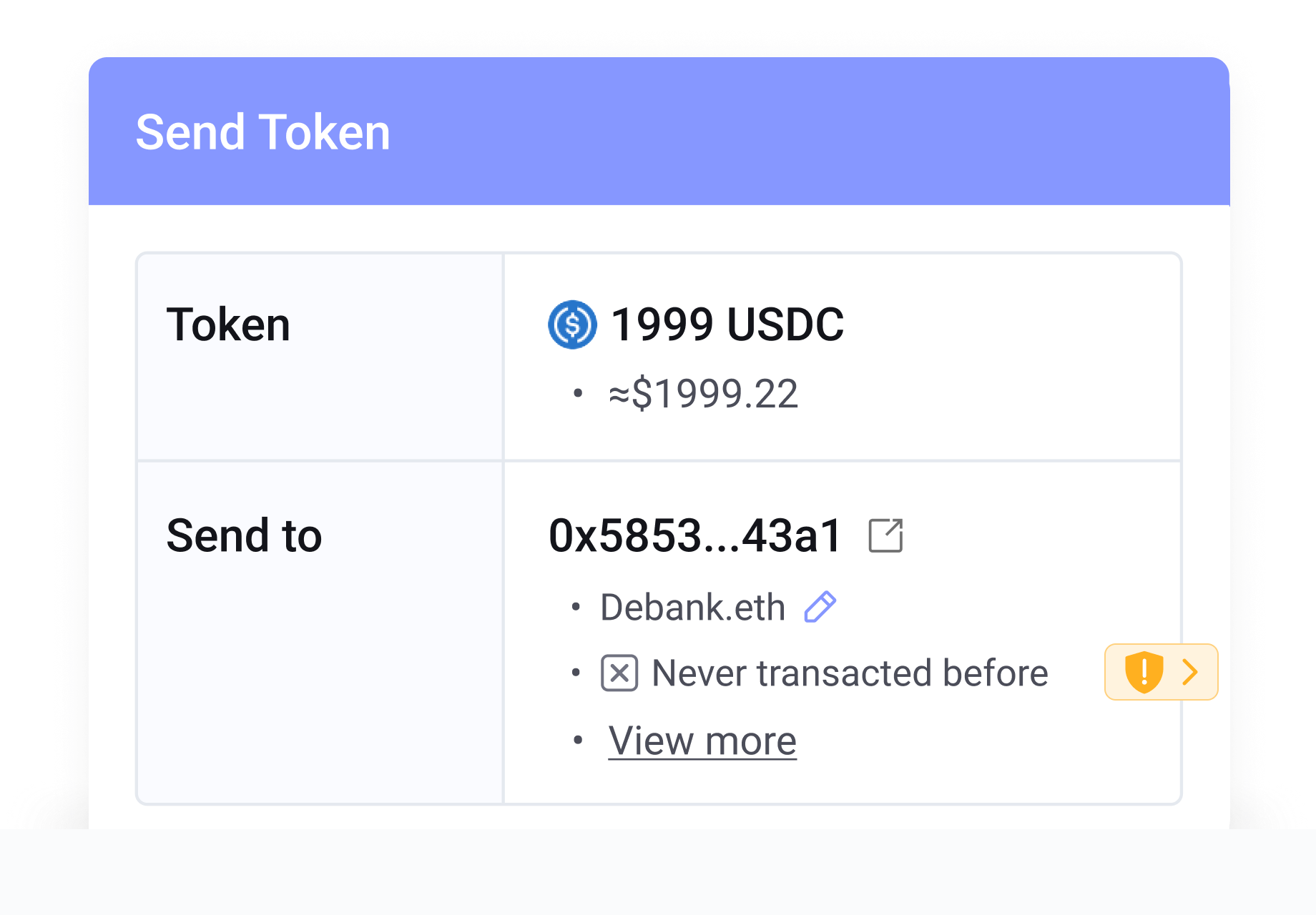
Here’s the thing. Most wallets focus on send/receive and a slick swap UI. Rabby focuses on the transaction itself—what contracts will be called, what approvals you’re granting, how much gas you’ll burn—and then gives you context. Initially I thought that was overkill. But after nearly bricking one DeFi rake with a careless approval, I appreciated the extra layer of visibility.
A quick tour for DeFi power users
Okay, so check this out—Rabby supports multiple chains and wallets and tries to keep the mental model consistent across them. You can connect hardware wallets like Ledger, use multiple accounts, and switch networks without the weird intermediate states that other extensions sometimes throw at you (you know what I mean). It also surfaces a transaction preview: which contracts will be called, what parameters are being passed, and a plain‑English summary when possible. That preview is a sanity check that I now rely on.
I should be clear: I’m biased toward tools that reduce cognitive load during active trading or contract interaction. Rabby does that by simulating outcomes and warning on risky approvals. I’m not 100% sure every simulation is perfect—no simulator is—but they help catch a lot of the careless stuff people do when they auto‑approve allowances, or trust a site implicitly.
Another part I like: allowance management. It’s very very important. Rabby makes it easier to see which contracts have token allowances and to revoke them without hunting through multiple explorers. This is one of those small UX wins that pays off later, when you realize you’ve got a dozen approvals lingering from fast trades and random airdrops.
Performance matters too. The extension runs smoothly. Transactions are staged clearly. And if you use multiple wallets and chains, the switch feels natural rather than jarring. Still, there are edge cases where network latency or RPC glitches will show up—nothing magical there.
Transaction simulation: more than a nicety
Simulation is the heart of Rabby’s value prop for advanced users. It tries to predict the state after a transaction, highlighting slippage, failed calls, or suspicious token transfers. That reduces surprises—especially when interacting with complex contracts or newly launched protocols. My experience: simulation saved me once from a mistakenly set high slippage swap that would have executed into a sandwich attack window.
That example is anecdotal, but it’s representative. The mental model changes: instead of signing and hoping, you get a chance to interrogate the transaction. It’s not a perfect shield, so don’t lean on it as the only defense. Use it alongside hardware wallets, small test amounts, and sanity checks on contract addresses.
Also, Rabby’s UI makes revoking allowances and managing approvals less painful. You’ll still need to pay gas to revoke, obviously, and sometimes the UX for multi‑token approvals is messy—but having the visibility is a win.
Security posture and tradeoffs
Of course security isn’t binary. Rabby reduces certain classes of risk—social engineering and accidental approvals—by surfacing information and adding friction at the right moments. But it’s not a substitute for good opsec. Keep a hardware wallet for bulk funds. Keep small hot wallets for active trading. I do both.
On the privacy side, it behaves like a typical browser extension: you’re trusting the extension and chosen RPC endpoints. Use trusted RPC providers, and if privacy matters, layer with your own node or a privacy‑focused RPC. I’m not preaching paranoia, but I’ve learned that small assumptions about RPCs can become big leaks over time.
One caveat: no wallet eliminates smart‑contract risk. Rabby helps you understand interactions, but it cannot tell you if a DeFi contract has a malicious backdoor. Use audits, community signals, and models of trust when onboarding new protocols.
How to get Rabby (and what to expect)
If you want to try it, search the Chrome Web Store or grab a vetted build, and make sure you verify extension signatures and source if you care about tamper resistance. For convenience, I’ve used the official page—like the one linked here for basic downloads and docs. Install it like any extension, create or import an account, and play with simulation on a small test swap first. That’s how I learn a new tool: tiny bets, quick failures, then scale up.
Some practical tips: connect a hardware wallet for custodial separation, set allowance limits when possible, and enable transaction simulation in settings if it’s not on by default. Also, when you see a red warning about an approval or an odd transfer, pause. Seriously—pause. A lot of bad transactions happen because people rush through confirmations.
FAQ
Is Rabby compatible with Ledger and other hardware wallets?
Yes. Rabby supports Ledger and similar hardware devices for signing. Use hardware wallets for larger balances and treat hot extension accounts for short‑term trading. This hybrid setup reduces blast radius if a browser profile is compromised.
Does the transaction simulation catch all possible issues?
No. Simulations greatly reduce common pitfalls but aren’t foolproof. They analyze the transaction logic against current chain state and typical failure modes, but they can’t predict every MEV attack or off‑chain oracle manipulation. Treat simulation as an additional guard, not a guaranteed shield.
Where do I download the extension safely?
Grab it from the official source and verify the extension page carefully. For a starting point and documentation, see rabby wallet. Always double‑check the extension ID and reviews if you’re on a public store.
Alright—closing thought: tools like Rabby won’t replace diligence, but they lower friction for safer interactions. I still trip up occasionally; you probably will too. But these tools let you fail smaller and learn faster. That’s worth a lot in DeFi, where mistakes are expensive and lessons are forever on the ledger.
Why the cTrader App Is a Quiet Powerhouse for Algorithmic Forex Traders
Whoa!
The first time I dug into modern trading UIs I felt a little dazed.
The clutter made my head spin; order flow was buried under menus.
Initially I thought all platforms were the same, though actually there’s a meaningful split between consumer-grade tools and pro-focused setups that matter to algorithmic traders.
After some digging I started to notice patterns in execution latency, API design, and backtesting fidelity that change strategy outcomes over months, not just days.
Seriously?
Yes, because execution microstructure is one of those sneaky things that bites you later.
My instinct said latency would only matter for scalpers.
But then I realized higher-frequency mean-reversion or grid strategies also degrade if fills are unreliable.
So one of the first priorities when choosing a platform is understanding how the platform handles order routing, market data snapshots, and slippage under stress—those details separate a robust system from somethin’ that looks good on screenshots but underperforms in real market conditions.
Okay, so check this out—
Platforms like cTrader emphasize transparent ECN-style pricing and direct market access, and that matters.
There are other nice UIs, sure, though their back ends sometimes abstract critical details away.
On one hand a polished UI helps retail adoption; on the other hand you lose control over the execution path if the provider mashes everything through a single hidden layer.
This is why traders who run algorithmic systems often prefer tools where they can inspect API calls, control order types precisely, and log fills locally for independent verification.
Hmm…
Let me rephrase that: I trust platforms that treat data as a first-class object.
You want raw tick data, time-stamped fills, and the ability to replay real ticks for defensive testing.
That’s the foundation of reproducible algorithmic strategies, and without it your “backtest” is likely optimistic by design.
Actually, wait—let me be blunt: if your backtest uses only aggregated bars and assumes zero latency you are building a model on shaky assumptions that will fail when real orders hit the book.
Whoa!
Now about the cTrader app specifically—it’s designed with traders in mind.
The architecture separates the GUI from the trading engine, and that makes a practical difference.
A separate engine means the platform can manage order logic, risk checks, and API interactions without the UI introducing jitter or blocking critical processes, which is very very important for algo traders who need deterministic behavior.
When a platform processes orders synchronously with interface rendering, you get weird timing artifacts that show up as slippage in live runs, even when simulated tests looked fine.
Really?
Yep—so here’s where algorithmic execution shines or falters.
If the platform exposes a well-documented API and a sandbox for testing, you can iterate faster and safer.
The cTrader ecosystem provides cAlgo (now cTrader Automate) for building bots, and the design encourages event-driven logic rather than polling-heavy hacks.
That event-driven model reduces unnecessary overhead and lets your strategy respond to new market ticks with minimal internal delay, which matters when every millisecond shifts edge into noise.
Whoa!
Let’s talk strategy development workflow.
Good tools differentiate between “proof of concept” and “production-ready”.
You can prototype a strategy quickly on a demo feed, but the crucial step is validating that same strategy under live-like conditions with realistic latency and slippage models before risking capital.
A platform that supports optimized replay testing, tick-level simulation, and easy logging will save weeks of debugging and a few gray hairs—trust me, that part bugs me when platforms skimp on testing tools.
Hmm…
Risk management deserves its own spotlight.
Algorithmic traders often automate position sizing, but if the platform doesn’t let you enforce hard stops at the broker level, an unexpected outage or market gap can blow a model apart.
On one hand you can write defensive code inside the strategy; on the other hand you want the platform to provide mechanisms like guaranteed stops, margin callbacks, and server-side risk controls as safety nets.
Balancing strategy-level risk logic with platform-level protections reduces tail risk in ways that are hard to model precisely.
Whoa!
Connectivity is the unsung hero here.
A stable WebSocket or TCP feed with automatic reconnection logic is vital for robots.
If your feed drops for a few seconds and your algorithm blindly resumes without re-synchronizing state, you get desynced positions and hedging errors that are painful to unwind.
This means the platform needs transparent connection events and clear documentation about data consistency guarantees so you can write robust state-recovery routines that handle partial fills and rejections gracefully.
Okay, quick tangent (oh, and by the way…)
Integration matters beyond just APIs—tax reporting, exportable logs, and third-party analytics compatibility are real operational concerns.
Traders who scale up systems need clean audit trails; it’s not glamorous, but it keeps you out of trouble.
If your platform supports CSV/JSON exports and has a plugin-friendly architecture, you can slot your analytics stack in without reinventing the wheel.
This is why ecosystem openness is often more valuable long-term than a flashy one-click strategy library.
Whoa!
If you’re curious about trying the cTrader workflow yourself, the official download is easy to find and install.
The ctrader app links to versions for Windows and Mac with guidance for setup and getting started.
Install on a test account first and use their sandbox where possible, because replicating live exchange conditions is the safest way to validate assumptions before committing real funds.
I’m biased toward platforms that let you inspect everything; use these tools to ask tough questions about fills, latency, and order-state transitions instead of accepting opaque outcomes.
Hmm…
One more note on algorithmic edge: execution costs.
Commissions, spread markups, and slippage add up quickly when your system trades frequently.
On one hand a tight spread matters; though actually you also need to factor in the broker’s internal routing behavior, which sometimes improves apparent spread at the expense of order priority.
A platform that exposes aggregated execution stats and lets you compute realized P&L net of transaction costs will help you understand whether your signal survives real-world friction.
Whoa!
Okay, so what’s the bottom line for traders deciding whether to adopt cTrader or a competitor?
Think in three layers: development ergonomics, execution transparency, and operational maturity.
If a platform scores well on those axes it’s easier to move from prototype to production with fewer surprises.
I’m not 100% sure about every broker’s implementation choices, but using a platform that prioritizes transparency and provides codable automation reduces the number of unknowns in live trading.

Practical Checklist Before Automating a Forex Strategy
Whoa!
Start small and measure everything.
1) Validate your strategy on tick-level replay, using realistic execution and slippage templates.
2) Confirm that the platform’s order handling is deterministic under load and document edge-case behaviors.
3) Maintain a synced audit log locally for every decision and fill so you can backtrace issues quickly when they occur.
These steps protect you from rare-but-severe operational failures that otherwise show up in the worst possible moments.
FAQ
Is cTrader suitable for beginners who want to learn algorithmic trading?
Yes, with caveats. The interface is approachable enough for beginners, and the Automate API is expressive for building basic bots.
However, new traders should focus on learning market microstructure, risk controls, and testing methodology before deploying algorithms with real capital.
Use demo environments and incremental exposure to gain confidence while keeping position sizes conservative.
How do I avoid being surprised by slippage when moving from demo to live?
Measure real fills on small live runs and compare them against your simulated fills.
Log every trade event with timestamps, and compute realized slippage distributions.
Adjust your models and position sizes until your expected returns survive the measured trading costs, not just theoretical backtests.