
غير مصنف

Token Swaps on AMMs: Practical Tactics for Traders (and why aster matters)

Okay, so check this out—token swaps feel simple on the surface. Wow! They really do. But the mechanics under the hood are anything but trivial, and that’s where a lot of traders lose edge. Initially I thought swaps were just “price in, price out”, but then I kept getting eaten by slippage and fees and it changed how I trade.

Seriously? Yes. My instinct said the path matters more than the pair sometimes. On one hand a direct pool can be shallow and cheap on fees, though actually a routed swap through deeper pools often beats it on price impact. Here’s the thing. The route and pool composition can shave off half a percent or add two percent to your effective price, which is huge for active traders.

Let me be blunt. If you don’t watch price impact you will lose. Hmm… that’s not dramatic enough—it’s expensive. For small retail trades the damage is subtle, but scale it up and it’s painful. I learned this trading ERC-20 pairs in 2020 when gas was low and the tactics were simpler; things have changed a lot since then.

AMMs still power most DEX swaps today. Really? Yup. Automated Market Makers use liquidity pools and formulas to price tokens instead of order books. That model makes identity-free swaps possible and composability with other protocols easier, though it also creates specific failure modes that traders must understand. Impermanent loss, pool asymmetry, and concentrated liquidity are all part of the mental model now.

Quick primer—then we dig into tactics. Wow! AMMs like constant product (x*y=k) or concentrated variants determine how much price moves as you trade. Medium-sized swaps move prices nonlinearly, and fee tiers plus liquidity distribution change the slope of that curve. If you’re not mapping the curve, you’re trading blind.

Graph showing price impact vs trade size for different AMM pool depths

Practical swaps: what to measure before you click Confirm

Slippage tolerance is the obvious control. Really? Yes—set it too tight and your tx may fail, set it too loose and you’ll accept a worse price. Also check quoted price versus expected execution price; those can diverge because pending mempool moves and front-running bots mess with expected outcomes. My rule of thumb: prefer smaller routes through deep pools over a single shallow pool, unless fees compensate.

Pool depth matters more than native liquidity token supply. Whoa! Deep pools reduce price impact per unit traded. But depth is nuanced—liquidity concentrated around a particular price (a la concentrated liquidity AMMs) can give excellent execution inside certain ranges, and then collapse outside them. Initially I assumed “more TVL = safe”, but then saw a 60% TVL pool with almost no active liquidity within the price range I needed.

Fee tier selection is underappreciated. Hmm… lower fee pools aren’t always cheaper for execution. High fee pools sometimes mean deeper liquidity because LPs demand compensation, and that can reduce slippage enough to beat the lower fee option. On the other hand, for tiny swaps the fee differential is directly felt in the quote.

Router intelligence helps. Really? Yes. Sophisticated routers break swaps into multi-hop paths and sometimes split a trade across pools to minimize slippage and fees combined. Aggregators do this across DEXs, and if you’re not using a smart route finder you’ll leave money on the table. I’m biased toward routers that show the exact path and pool composition; transparency matters.

Advanced threats: MEV, front-running, and sandwich attacks

MEV is real. Whoa! Miners and validators can reorder or censor transactions to extract value, and that directly affects swap outcomes. My first impression was “that only matters to whales”, but actually front-running bots target predictable human trades too, which is annoying. There’s a suite of mitigations—private mempools, transaction relays, and time-weighted execution patterns—that traders can adopt.

Use slippage and limit orders as defenses. Seriously? Yes. Limit orders keep you from getting taken advantage of, though they sometimes mean your trade never executes during fast moves. If you’re swapping large sizes, consider on-chain limit-orders or trade through protocols providing private execution. Also consider breaking large orders into smaller chunks over time to reduce visibility.

Watch gas and priority fees. Hmm… gas strategies affect whether your transaction gets mined before a bot can react. Pay too little and your tx sits, giving bots a window to exploit it. Pay too much and you burn dollars for marginal speed. It’s a balancing act, and regional gas price patterns (US peak times differ from European windows) sometimes inform my timing.

Concentrated liquidity and how it changes swap math

Uniswap v3-style concentrated liquidity made everything more tactical. Really? Yep. LPs now place liquidity around ranges, which multiplies effective depth at those prices, and that changes price impact curves drastically. Initially I thought concentrated liquidity would universally improve trader outcomes, but actually it can make pools brittle if LP ranges are misaligned with market moves.

For traders that means: check active liquidity distribution before trading. Wow! Some explorers and UIs visualize liquidity bands. If your target price sits outside major concentrated positions, expect worse execution. Conversely, if your trade hits a heavily concentrated band it can be executed with minimal price movement—like magic, but risky if the band shifts fast.

Routing heuristics I use

Heuristic #1: Always query multi-path quotes. Whoa! A routed multi-hop can cut price impact. Most aggregators do this, but not all routers are equal. I look for routers that split across pools and show per-hop slippage and fees.

Heuristic #2: Prefer stable pools for pegged assets. Really? Yeah—stable swaps minimize impermanent loss and price moves for like-kind tokens. But be careful: stable pools with low fees can be manipulated during cascades, so assess oracle divergence risk. On one hand stables look safe, though actually systemic events change that quickly.

Heuristic #3: Cross-check gas-adjusted expected cost. Hmm… a cheaper price with much higher gas can be worse net. Always compute execution cost as price impact + fees + gas. I do that mentally first, then confirm with tooling. Sometimes the “best price” is lipstick on a pig unless you include total cost.

Heuristic #4: Use limit or TWAP for large exposure. Whoa! Time-weighted average price reduces single-block slippage and MEV exposure. Not perfect, but it smooths execution. If a trade is >0.5% of pool depth, think about splitting it over time or using specialized execution services.

Why aster matters in this picture

aster has built-in routing transparency and pool visualizations that cut through the noise. Really? I like that they show pool depth, concentrated bands, and per-hop fees so you can compare trade economics quickly. I’m not trying to do a hard sell, but after testing several UIs I kept coming back to that clarity—aster helps traders make decisions without guessing.

They also surface execution alternatives and show estimated MEV exposure. Wow! That’s rare. On top of that, aster’s UX reduces common mistakes like using too-lax slippage or missing a cheaper multi-hop route. If you’re serious about swap execution, check out aster for route analysis and execution clarity.

FAQ

Q: How do I pick slippage tolerance?

A: Start small (0.1–0.5%) for normal ERC-20 trades and tighten if you need certainty; increase tolerance for illiquid pairs—but only after you’ve checked route depth and fee tradeoffs. Use limit orders for deterministic execution when price certainty matters more than immediacy.

Q: Are aggregators always better than single DEX swaps?

A: Not always. Aggregators often find better routes, though they add complexity and sometimes extra gas. For tiny trades a single deep pool can be cheaper; for mid-to-large trades aggregation and split-routing usually beat single-pool execution. Check both and include gas in your math.
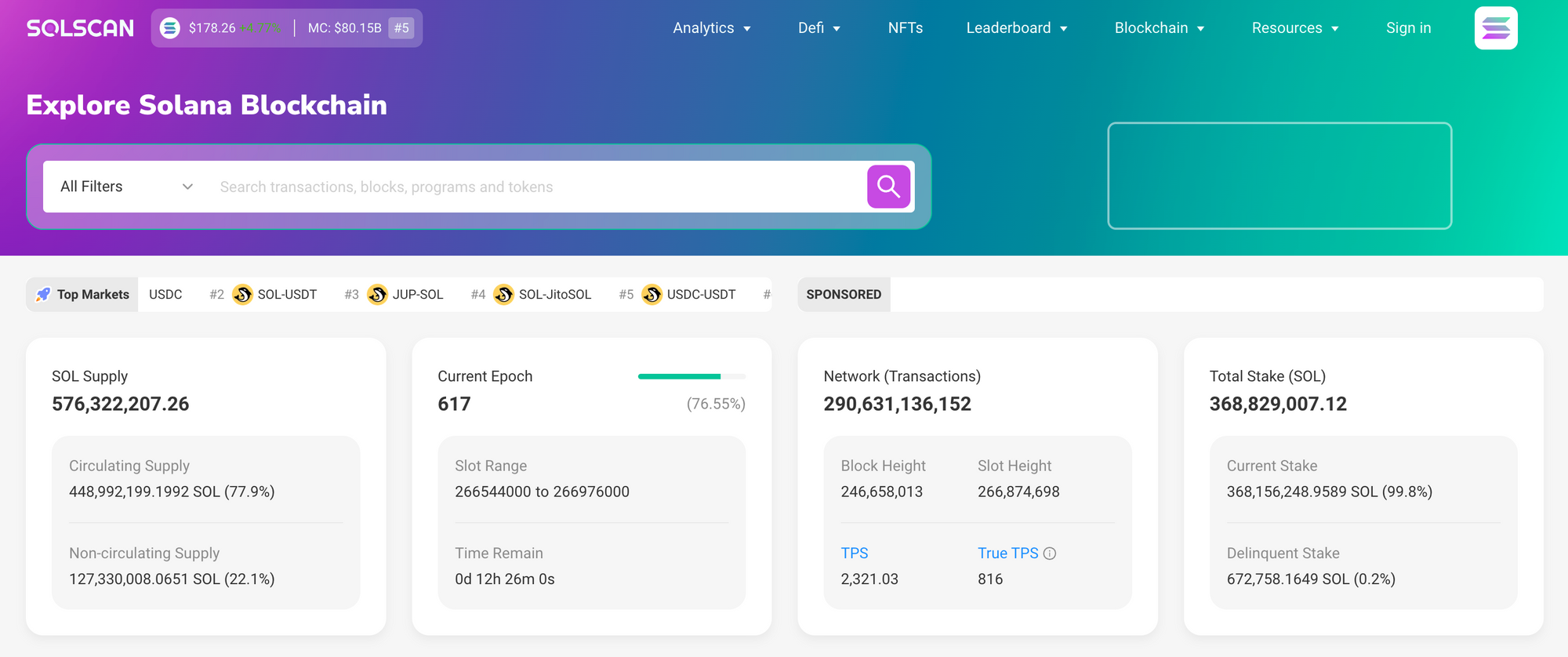

Why I Keep Coming Back to Solscan for Solana Transactions and NFT Tracking

I was looking at a weird on-chain pattern the other day and it pulled me deep into Solana’s transaction flow. At first it felt like peeking behind the curtains and wondering who set the stage. My instinct said something was off with how fees and memo fields were reported on some explorers. Okay, so check this out—there are explorers that surface raw data and ones that try to tell you a story. Whoa!

Solana moves very fast compared to Ethereum and older chains. When you watch transactions in real time you see how parallel processing and TPU-like performance change the way wallets interact. That alone demands a different kind of explorer. I rely on Solscan daily when debugging or teaching on-chain behavior. Really?

For clarity, I’m talking about the solscan explorer official site when I say Solscan, because accuracy matters and there are look-alikes out there. It surfaces transaction details, token transfers, program logs, and NFT mint histories in ways that help me troubleshoot and teach. On a practical level, the UI gives filters that matter—by program, by signature, by slot range—and that saves time. Sometimes the data is messy though. Here’s the thing.

NFT tracking on Solana is still evolving and standards keep drifting. My first pass reaction was excited because the transaction traces showed more metadata than I expected, which is useful when provenance matters. But then I noticed edge cases—wrapped tokens, inner instructions that barely show up, and lazy metadata standards that break assumptions. On one hand the explorer surfaces mint transactions cleanly. Hmm…

On the other hand, you still need to cross-check program logs to confirm what happened inside a complex meta-transactions bundle, and that takes patience. Initially I thought the explorer should do more automated labeling, but then I realized—automatic labels can mislead if they are overconfident. So I adapted my workflow to include more cross-checks and manual log reads. Now I usually start with the signature view to confirm the basic transfer, then drop into logs for inner instructions, and finish by checking token metadata for NFT mints. Wow!

That triage method reduces false positives when tracking suspicious transfers or rug-like behavior. The NFT tracker features are the part I use when I’m teaching or auditing drops. They help me answer questions like who minted this, what fee tier was used, and whether royalties were set correctly at mint time. I’m biased toward tooling that helps devs and collectors understand governance and fee mechanics. Seriously?

Solscan transaction and NFT tracking screenshot showing signature, logs, and token metadata

Practical tips for using an explorer as your single source of truth

Start with the transaction signature and timestamp to establish order. Then check the program logs for inner instructions, because a single user-facing transfer can hide multiple program calls. Use token transfer filters to separate SPL transfers from SOL transfers, since fees and lamports show up differently. When you track NFTs, always pull the metadata account and compare the URIs to on-chain hashes if provenance is critical. If something looks off, copy the raw logs and paste them into a local JSON viewer—trust but verify.

FAQ

Can I rely solely on explorers for forensic work?

Short answer: not entirely. Explorers like Solscan are excellent first-pass tools for visibility and pattern recognition, but for deep forensics you should cross-check RPC responses, run your own node if feasible, and validate metadata on IPFS or Arweave. Explorers speed up investigations, but they aren’t substitutes for raw chain access in adversarial situations.

How accurate is NFT mint tracking on Solscan?

Pretty reliable for standard mints, and improving for more complex flows. Standard candy-machine and Metaplex mints show clear traces and metadata links. The weaknesses show up with nonstandard mint programs and when off-chain metadata isn’t pinned properly. My workflow: use Solscan to find the signature, read inner instructions, then fetch the metadata account to confirm the mint authority and URIs.

What’s your favorite unseen feature?

The program log viewer. It reveals inner instruction sequences and debug prints that most UIs hide. When I teach, that view is what turns abstract concepts into tangible sequences you can point at. It bugs me when explorers overlabel without giving the logs—labels are convenient, but logs are the truth.

How to Swap Tokens Without Getting Burned: Practical DeFi Tactics for DEX Traders

Whoa! Token swaps look simple on the surface. But behind that “swap” button there’s slippage, routing quirks, impermanent loss math, and sometimes straight-up UI traps. My gut said early on that many traders treat swaps like a vending machine: press a button, get coins. That feeling stuck with me—something felt off about the casualness of it all.

Okay, so check this out—if you use decentralized exchanges regularly, you already know the obvious: price moves while your tx is pending. Now, here’s the less obvious part: not all liquidity is created equal. Pools can be thin, fees vary by AMM, and routers will split trades across pools in ways that can help or hurt you depending on timing and market direction. Initially I thought routing was just a small optimization, but then I started watching sub-dollar inefficiencies add up across dozens of trades; the savings matter. Actually, wait—let me rephrase that: routing can quietly eat your edge over time, especially if you’re doing size or frequency.

First rule of thumb: check pool depth. Small pools mean more slippage. Simple. Seriously?

When you click swap, the smart contract does the heavy lifting. It pulls liquidity from one or more pools, calculates the output, and sends it back. But the order books are virtual and dynamic, and every block can re-price the pool. On one hand, miners or validators reorder transactions; on the other hand, a large swap can shift price across the curve and create a cascade. Though actually, this depends on the AMM formula—constant product AMMs behave differently than concentrated liquidity models.

Here’s what bugs me about UX: many DEX interfaces hide the routing and fee details. That’s a red flag. I prefer to see the path, the expected slippage, and a quick history of recent trades for that pair. If the interface gives me a single “estimated” price with no breakdown, I step back and check the on-chain details. (oh, and by the way…) sometimes the on-chain path shows swaps through tokens you didn’t expect—like routing through a wrapped stable instead of the direct pool—so always peek under the hood.

Dashboard showing a token swap route and pool depths

Practical Steps Before Hitting Swap — the Checklist That Actually Works

Do these quick checks every time. They take a few seconds and they save you regret.

1) Confirm pool liquidity and slippage settings. Low depth equals high slippage. Adjust your max slippage accordingly. Two percent might be fine for blue-chip trades. Ten percent? That’s risky unless you really know the pool.

2) Inspect routing. Many routers will split your order across multiple pools. This can lower slippage, but it can also expose you to multiple fee layers. If the route looks weird, test with a tiny trade first. Hmm…

3) Watch gas and pending time. Long pending times increase MEV risk. During congestion, set a higher gas or use a relayer that bundles favorable slots. There are trade-offs—paying more for speed can be worth it if price movement is large.

4) Use limit orders or time-weighted strategies when possible. If you are swapping large amounts, consider breaking the trade into smaller chunks or using automated VWAP/TWAP tools. I’m biased toward automation for repeatable strategies, but manual control still matters for irregular markets.

5) Factor in token taxonomies. Is the token a rebasing asset? Does it have transfer tax or anti-whale logic? Those quirks will surprise you at settlement time and sometimes revert trades.

Let me give a short example. A friend (not gonna name names) routed a 50k stablecoin swap through a low-fee pool that looked cheaper at glance. The pool had thin liquidity. The router split the order into three small pools and the resulting fee stack plus slippage turned a “cheap” trade into a net loss. Ouch. Lesson learned—never trust the single-line estimate without a quick route audit.

So where does a platform like aster dex fit into this? In practice, you want an interface that exposes routing, allows custom slippage, shows pool depths, and gives you the option to set a firm deadline for transactions. Platforms that do these basics well reduce accidental losses. I’m not saying any one UI is perfect, but these features separate the casual from the careful.

Another under-discussed risk is sandwich attacks. Here’s the idea: a bot sees your pending trade, front-runs it with a buy to push price, then sells after your trade settles, profiting off the spread. This is more likely when your trade size is significant versus available liquidity. To mitigate, set conservative slippage or break trades into smaller increments. Also, private mempools and transaction relayers can help—though they add complexity and cost.

On-chain analytics matter. If you can, run a quick check for recent arbitrage patterns on the pair. Persistent arbitrage activity often signals thin or unbalanced liquidity that will punish non-institutional trades. My instinct said avoid pairs with constant arbitrage churn, and that rule has held up. But I’m not 100% sure it’s universal because markets evolve.

Tax and accounting—yeah, it’s boring but very very important. Every swap could be a taxable event depending on jurisdiction. Keep records. Your wallet history might not be human-readable later, so export CSVs or use a tracker.

Here are a few tactical tricks I’ve seen traders use:

  • Pre-check with a small test swap (microsize trades to confirm routes).
  • Use slippage tiers—lower for stable swaps, higher for exotic assets.
  • Split large orders across blocks to avoid price impact.
  • Prefer concentrated liquidity pools when you need predictable price response.
  • When possible, move to OTC or limit order DEX tools for very large size.

One failed strategy I used to rely on was “set-and-forget” swaps during volatility. Bad idea. Markets move. Tools that let you cancel or replace pending orders can save you from a bad fill. Another quirk: keep a tiny native-token balance for gas. You’d be surprised how often people forget and their swap fails mid-route because of insufficient gas token—heh, rookie move, but it happens.

Common Questions From Traders

How much slippage should I allow?

Depends. For stable-to-stable swaps, 0.1–0.5% is reasonable. For volatile pairs, 1–3% might be safer. If you’re moving tens of thousands, assume slippage scales non-linearly with size. Test. Break trades into chunks.

Can I avoid MEV and front-running completely?

Not entirely. You can reduce exposure with private tx relayers, higher gas, or by using DEXes that offer batch auctions. But some MEV is endemic to public mempools. Treat mitigation as risk reduction, not elimination.

Should I trust the default router?

Default routers are fine for most casual swaps. For larger or repeated trades, inspect the route. Sometimes a custom route or third-party aggregator will save you fees and slippage—but again, verify on-chain before confirming.

Alright—closing thought. Swapping tokens is both an art and a system-design problem. You can be smart about it without being obsessive. Use the tools that show you the math, watch your pool depths, and respect slippage. If you do those things, you won’t eliminate cost, but you’ll stop giving it away for free. Hmm… I keep running into new edge cases, so I’m still learning. Somethin’ tells me you are too, and that’s kinda the fun part.

Why Regulated Prediction Markets Matter (and Why You Should Care)

Prediction markets are quietly changing how Americans think about risk.

Whoa!

At first glance they look like gambling, but regulated platforms bring something else — measurable market-implied probabilities, real-time information aggregation, and a chance to hedge or express views legally.

My instinct said this was just another fintech fad.

Actually, wait—let me rephrase that: after watching trades, order books, and regulatory filings for years, I think they’re a different animal.

Here’s the thing.

Regulated trading in the U.S. is messy, and somethin’ about that friction forces better market design.

On one hand, rules slow innovation, raise costs, and push projects offshore.

On the other hand, they create trust, custody standards, surveillance, and a framework that institutional investors need to show up.

Seriously?

Kalshi is the best-known example right now, and that public visibility matters.

Whoa!

They negotiated approvals with regulators to run event contracts that look like binary options but are structured to fit U.S. commodity rules.

Initially I thought this would be a niche for political junkies only.

Actually, watch liquidity grow when macro events or weather risks become tradable—it’s surprising.

I’ll be honest: I’m biased, but I also ran models that showed market prices beat polls at signal detection.

Hmm…

My gut feeling said traders would game trivial questions, yet curated, well-defined contracts tend to attract hedgers and smart speculators rather than pure noise.

That combination matters because regulatory compliance plus thoughtful contract design reduces manipulation vectors.

Something felt off about certain contract specs in other platforms—lack of clear settlement criteria makes outcomes ambiguous.

Check this out—liquidity begets liquidity.

Market makers need confidence that rules won’t change mid-game and that settlement is objective.

When you have transparent settlement and a regulator looking over your shoulder, capital flows more easily.

On the flip side, higher compliance costs mean fees or narrower offerings, which can limit retail access.

Really?

One practical tip: read contract specs like a lawyer and a trader at the same time.

Fork over the fine print.

Contracts that define “official sources” ambiguously invite disputes, and disputes are the death of a marketplace because they scare away volume.

Initially I thought enforcement would be quick, though actually enforcement timelines are long and costly.

Wow!

A busy trader screen, orderbook lines and settlement rules highlighted — my personal note: you can almost smell the compliance documents.

Why regulation matters

Check this out—

Regulation isn’t just red tape; it’s the plumbing that lets big players allocate capital safely.

My first reaction was skepticism, but watching how exchanges document settlement, margin, and surveillance changed my view.

I’m not 100% sure every regulator will move at the same speed, though; each state and agency brings different priorities.

Really?

Where to start

If you’re curious to see a live example, check out the kalshi official site where contract specs and FAQs are public.

They document settlement sources clearly, which makes it easier to model event outcomes.

I’m biased, but seeing that paperwork helped me trust the market mechanics.

FAQ

Are prediction markets legal in the U.S.?

Short answer: yes in certain regulated formats and under particular approvals.

The Commodity Futures Trading Commission and other bodies set guardrails, so platforms that work with regulators can operate lawfully (but you should still read terms).

Can retail traders participate?

Yes, though access varies and fees or minimums can apply.

Be realistic—these aren’t lottery tickets; approach them like any other market position with risk management and an eye on settlement language.

Reading the BNB Chain: A Practical Guide to BSC Explorers and Smarter Transaction Analysis

Wow, this is wild. I dug into BNB Chain explorers last week and kept getting surprised. At first it felt simple, but then things got complicated fast. My instinct said the block explorer was just a lookup tool, but after tracing transactions, token contracts, and pending mempool entries I realized the depth and potential for both clarity and confusion. There’s a real art to reading bsc transactions carefully, since one wrong assumption can mislead an entire analysis and cost you gas and time.

Seriously, it’s tricky. The BNB Chain ecosystem moves fast and details hide in plain sight. You can stare at a tx hash and miss the contract call that mattered. Initially I thought transactions were straightforward records of transfers, but then I watched how routers, approvals, and internal transactions weave a story that isn’t obvious from the surface fields alone. Actually, wait—let me rephrase that: what looks like a simple transfer can be five distinct operations under the hood, and each of those can carry different failure modes and security implications.

Hmm… okay, listen. Here’s what bugs me about many explorers: layout and signals are inconsistent across tools. BscScan shows internal transactions and token transfers, but you must know where to look. Check the contract page, then dig into the ‘read’ and ‘write’ tabs, and then inspect source verification and creation txs; skipping any of those steps gives you an incomplete picture that can wreck a debugging session. On one hand the explorer gives access and transparency; though actually, on the other hand, too much information without context can create paralysis for newcomers and false confidence for folks who skim.

Whoa, seriously now. I once chased a disappearing token transfer for three hours because I ignored an internal swap. My instinct said it was a contract bug, but tracing the internal txs told a different story. Initially I blamed the bridge, later the DEX, and finally I realized an approval had been front-run by a mempool sniffer that converted dust into a token within a router call that only showed up as an internal tx. That day taught me to always check the transaction’s ‘internal transactions’ tab and to decode logs before assuming the worst, because the raw transfer list is often a misleading headline.

Okay, so check this out— if you’re using a central explorer every day, learn the keyboard shortcuts and bookmarks that matter. For heavy users, saved watchlists and labels cut down on repetitive sleuthing. There’s somethin’ about pattern recognition that can’t be replaced by a single click, and keeping a tiny notes file is very very important. I prefer to create a small personal notebook with common address patterns, proxy contract markers, and known router signatures, because pattern recognition saves minutes that add up to hours during incident response. And yes, I’m biased toward BscScan because their UI and search affordances are mature, though other explorers have neat features worth sampling too.

Annotated screenshot showing a transaction, internal txs, and logs with highlights

Practical steps and a safe sign-in reminder

Here’s the thing. Logging in gives you access to API keys, verified contract interactions, and personalized dashboards. If you need to sign in for tracking or to verify contracts, use the official bscscan login to avoid dubious portals. Be mindful though—never paste private keys or seed phrases into a site, and confirm the domain carefully since phishing clones abound, because once credentials leak the recovery options are limited. On that note, two-factor authentication and unique passwords for explorer accounts are small steps that dramatically reduce risk, and logging out from public machines is something I still forget sometimes.

Really, trust but verify. When analyzing transactions start with the basics: timestamp, block number, from, and to fields. Then parse the input data to see which function was called and with what parameters. If the input is encoded, use built-in decoders or paste the ABI into a local tool to translate hex into human-readable function calls, because that step often reveals token approvals, swaps, or migratory logic that isn’t obvious in plain sight. Also, cross-reference events emitted by the contract, since logs often capture value transfers and approvals that aren’t reflected in the top-line transfer list and that can explain slippage or failed calls.

Oh, and by the way… pending transactions live in mempools and can be front-run or dropped, depending on gas and chain congestion. Watch replaced transactions; nonce collisions often appear as phantom double-sends. Tools that surface mempool content are helpful, but they require real-time attention and are more advanced, so I recommend newcomers spend a few sessions just following normal confirmed txs first and then graduate to watching pending pools. There’s a tradeoff between being instantly reactive and being methodical, and each has pros and cons depending on whether you’re chasing a MEV opportunity, debugging a failed swap, or investigating a suspected scam.

I’m biased, but hey. Verified source code is the best trust signal; you can audit logic, not just bytecode. Look for constructor parameters, owner addresses, and any multisig references. Even with verified code you must check whether the deployed bytecode matches the repo, since some teams publish source that doesn’t correspond to the actual on-chain artifact, leading to misplaced confidence. And remember that ‘verified’ doesn’t equal ‘secure’ — it’s just more transparent and easier to analyze, but human review still matters and automated audits have limits.

FAQ

How do I trace a failed swap?

Hmm, good question. How do I trace a failed swap? Start with the transaction receipt and the status field. Decode the input to identify the function and parameters; then inspect logs for Transfer events. If the status is 0x0, look at revert reasons, gas usage, and any called contracts that might have thrown, because the top-line error doesn’t always explain nested failures. Combine that with token balances before and after, and you’ll usually find whether slippage, insufficient approval, or a missing liquidity pair caused the failure.

Can I trust token transfers shown on an explorer?

Really, it’s simple. Mostly yes, transfers shown are on-chain records you can verify. But sometimes swaps or contract interactions show value moves only in logs or internal txs. Scammers can obfuscate by moving tokens through multiple proxies, and explorers may show derived transfers that require careful interpretation if you want an accurate account of asset flow. So cross-reference balances, events, and known proxy patterns, and when in doubt ask a trusted community or run the bytecode locally.

Alright, here’s the rub. Explorers are powerful tools that are both messy and essential for on-chain work. My instinct says start small: follow a handful of addresses and learn their patterns. Over time you’ll build a mental model of common router behaviors, proxy patterns, and gas quirks, which means you’ll spot anomalies faster and avoid wasted troubleshooting cycles. I’m not 100% sure about every edge case, and there are always surprises, but the more you practice, the clearer the chain becomes…

How I Trade on AMMs: Practical DeFi Trading, Token Swaps, and What Actually Works

Whoa! Felt that first swap in my wallet like a little electric shock. Seriously? Yep — the gas fee, the slippage, the tiny moment of panic when the price ticks mid-transaction. My instinct said “pause” the first few times. But then I kept doing it. I learned fast and I learned the hard way. Initially I thought trading on decentralized exchanges was just click-swap-repeat, but then I realized there are layers—routing, pool depth, gas timing, MEV—and those layers change outcomes a lot.

Here’s the thing. DeFi trading on automated market makers (AMMs) is elegant math dressed up as UX. The AMM is simple in theory: liquidity pools, constant product/mean formulas, fees. But in practice there are frictions and trade-offs. You can get better prices, or you can get eaten by slippage, sandwich attacks, or just bad route selection. I’m biased, but those frictions are where edge lives. Oh, and by the way… some of what I’ll say comes from tinkering and somethin’ like a hundred swaps, not from a textbook.

Short primer, quick. AMMs use formulas—x*y=k is the classic constant product curve on Uniswap v2. That formula guarantees liquidity but makes price impact grow nonlinearly with trade size. Medium-sized trades move the price modestly. Large trades move it a lot. Long trades across low-liquidity pools become very expensive, even if token prices on centralized exchanges look fine.

Trader looking at token swap UI with price slippage highlighted

How I think about routing and slippage

Okay, so check this out—routing matters. At first I routed by eyeballing pools. Bad habit. Then routing algorithms matured and aggregators started doing the heavy lifting. Aggregators split your trade across multiple pools to minimize price impact. My early trades lost value to slippage. Really.

On one hand, you want the cheapest immediate execution. On the other hand, trying to chase the absolute best price by splitting across too many pools increases transaction complexity and gas. Actually, wait—let me rephrase that: the optimal trade minimizes total cost = price impact + fees + gas. That equation shifts with market conditions.

Here’s a quick mental checklist I use before a swap: pool depth in base token terms, fee tier (0.05% vs 0.3% vs 1%), current gas price, and route fragmentation. If a route uses a thin pool for part of the path, the price will move. Also, watch for correlated tokens—if both legs of a pair are volatile, your quoted price can degrade quickly.

One tool I like for experimenting with routes is aggregators that support flexible routing and simulation. I won’t spam tools here, but I did try aster recently for a tricky cross-token swap and it routed me through a deeper pool instead of a tiny direct pair. It made the difference on slippage and cost. Not every swap needs an aggregator though; small market-cap token trades often just need patience and tighter slippage tolerances.

Slippage tolerance, gas timing, and the human element

Trade with slippage tolerance set too high and you can wake up to a nasty surprise. Set it too low and your transaction will fail. Balance is key. For tokens with decent liquidity I usually set 0.5% or less. For microcaps, maybe 2-3% if I’m feeling brave. Hmm… sometimes less is better even if it means retrying later.

Gas timing is also tactical. Sandwich attacks occur when bots observe pending transactions and insert buy/sell orders to profit at your expense. If your tx shows up with a predictable gas price, bots can front-run. Raise your priority fee a touch to get included faster. Or use private mempool options if you have access. These are marginal gains but over many trades they add up.

Pro tip: simulate the swap with an exact-input and exact-output view. Know what you’re consenting to. Some UIs hide worst-case execution price behind slippage settings, which can be confusing. I got tripped up once by a UI that estimated a mid-market price but didn’t show the worst-case until after I confirmed.

Understanding impermanent loss and liquidity

Trading is one thing. Providing liquidity is another. Liquidity providers earn fees but face impermanent loss (IL). People misuse the term sometimes—IL is not permanent unless you withdraw at a worse relative price than when you deposited. If you deposit into a stable-stable pool, IL is minimal. If you deposit into an ETH/volatile token pool during a rally or crash, IL can be substantial.

On one hand, being an LP can feel like free money from fees. On the other hand, if the token you’re paired with moons then corrects, you might be worse off than simply holding. Initially I thought fees would always offset IL, but then I realized epoch-specific volatility and concentrated liquidity strategies change the math. Concentrated liquidity (Uniswap v3 style) concentrates exposure and increases fee capture but magnifies IL if price moves out of your range.

So what’s the takeaway? Pick pools where you understand the expected volatility, or use position management tools to adjust ranges dynamically. If you’re a trader, you can use LP positions strategically, but treat them like a different product entirely from spot trading.

Execution tactics I actually use

Trade small when exploring a new token. Really small. That both tests the on-chain mechanics and reveals hidden slip. Then scale up if the path is solid. I often break a large order into several smaller ones when markets are shallow. It reduces price impact and gives me checkpoints to reassess.

I also monitor pool reserves in base-token terms. Pool reserves denominated in low-liquidity tokens can be misleading. A pool that says “100k TOKEN-A” may actually be thin once converted to USD or ETH. Convert mentally to a base like ETH or USDC to estimate actual depth. That trick saved me more than once.

Another practical move: use limit-like behavior via DEX aggregators or on-chain limit orders. They reduce slippage risk but can miss the market if price moves away. Again—tradeoffs. I’m not 100% sure if limit orders will always be available for a specific token or chain though; infrastructure varies.

Risk management and the psychology of swaps

I’ll be honest—fear and greed are louder on-chain because the feedback loop is instant. You see the transaction, you see the confirmation, you see the balance change. That immediacy makes overtrading tempting. So set rules. For me: maximum position size per token, maximum daily swaps, and a “cool-off” after a failed sandwich or a big miss.

Also, diversify routing strategies. Sometimes going through a stablecoin bridge costs more in fees but gives a cleaner price. Sometimes cutting through a native liquidity pair is cheaper but riskier. On one hand, using stable routes can be boring and fee-heavy. On the other hand, it’s predictable and often saves you from nasty slippage surprises when markets move fast.

Common questions traders ask

How do I choose slippage tolerance?

Start with low tolerance for liquid pairs (0.1–0.5%). Use higher tolerance for thin markets but be prepared for adverse prices. Always check the worst-case execution price before confirming. If exact pricing matters, consider simulated or limit-execution tools.

Are aggregators always better?

Not always. Aggregators are great for routing across multiple pools and reducing price impact, but they add gas and complexity. For tiny swaps or single high-liquidity pools, a direct swap can be cheaper. It depends on size, token pair, and current on-chain congestion.

What’s the easiest way to avoid front-running and sandwich attacks?

Use private transaction relays if available, tighten slippage tolerances, or raise priority fees to get included faster. Also consider using limit-like orders that avoid mempool visibility. No method is perfect, but these reduce surface area for bots.

How I Track Trending Tokens in Real Time (and Why Charts Lie Sometimes)

Whoa!

I was staring at a green candle that wouldn’t quit, and my heart skipped. My instinct said this is momentum, not value. Initially I thought it was another quick pump, but then I dove into the on-chain flows and realized there was more to the story than the surface pump suggested, which changed my read fast. On one hand the volume looked healthy, though actually the liquidity was concentrated in a couple wallets that barely ever moved before.

Seriously?

Yeah. I checked trades, then checked again. Something felt off about the timing and the pairs used. What bugs me about those automatic chart reads is they hide the routing—orders get split across chains and traders see only a summarized impact, not the mechanics.

Hmm…

Here’s the thing. You can watch a price chart for hours and still miss the bot orchestration happening beneath. My first impression is always emotional: greed or FOMO. Then I switch to the analytical mode where I trace token flows, check pair ages, and ask who benefits from slippage. Actually, wait—let me rephrase that: I look for patterns that repeat across multiple DEXes, because repetition often screams coordination rather than organic discovery.

Really?

I don’t want to be alarmist. I’m biased toward skepticism after losing money once to a clever rug. I’ll be honest, that loss taught me to respect on-chain nuance. On the other side, some trending tokens are genuine, backed by real utility and vibrant communities, and they reward early, patient hands; it’s messy, and that’s part of the excitement.

A snapshot of a chaotic token chart with on-chain annotations, my quick scribbles highlight suspicious liquidity

Why I Use DeFi Charts and Where I Put My Trust

Okay, so check this out—when I look for trending tokens I start with a fast-scan: relative volume spikes, new pair creation, and unusual router interactions. I then jump to tools like dexscreener to cross-check prices across DEXes and to spot token listings popping up on fresh pairs. My workflow mixes intuition with data: a quick gut read followed by a structured checklist—contract age, holder distribution, renounced ownership, liquidity lock status, and recent tokenomics changes. On one hand this is time-consuming, though it reduces the chance I chase noise; on the other, sometimes speed matters more than perfection, especially when arbitrage windows open and close in seconds.

Whoa!

Short verdicts are dangerous. I learned this after watching a token dump into a stablecoin literally minutes after an influencer mentioned it. Something else I do is monitor slippage settings on buys I see on the mempool and then backtrack which routers were involved. My instinct said bots were testing slippage tolerance thresholds, and the evidence matched. That little procedure saved me a few times.

Seriously?

Yeah, and here’s a practical trick: watch pair age. A brand-new pair with lots of liquidity and a spaghetti chart often means someone seeded it just to make token swaps look natural. On paper it looks great. In reality it’s fake depth because the main liquidity provider is also the main seller. I’m not 100% sure you can fully automate this detection, but combining heuristics works quite well.

Hmm…

On a deeper level I try to map the emotional arc of the crowd. Early hype shows low spend per wallet. Later, as momentum builds, average trade size often rises; when that collapses, you’re likely seeing profit-taking by early investors. This observation isn’t perfect, though it helps me choose my entry and size my position. Sometimes I scale in with small buys, sometimes I sit out entirely—depends on conviction and the feel of order flow.

Here’s the thing.

Liquidity depth on a chart can be seductive. It whispers “safety” while hiding exit ramps. I look for honest liquidity: multiple LP providers, spread across addresses with real interactions, not just one anonymous wallet. Also, watch the router swaps and bridge activity; cross-chain echoes often reveal where the whales are moving money. My method is a mix of heuristics plus a couple of quick scripts I run when I’m serious about a trade.

Really?

Yes, and this is where tools matter. You don’t need to build everything yourself to be effective. Use dex aggregators, mempool viewers, and on-chain explorers in combination. But remember, the toolset is only as good as your questions. Ask “who benefits from this price move?” and “what happens if the LP withdraws?”—those two questions change how I size trades more than any indicator ever did.

Whoa!

I also keep a mental watchlist of patterns that repeat every few months: new token + influencer mention + liquidity pullback + sudden mass selling. It’s a cycle. Some cycles are longer, some shorter, but they repeat like seasons. I’m not claiming omniscience; sometimes the market surprises me and humbles me, and I have trade plans that accept losses gracefully.

Okay, so check this out—practical rules I’ve developed over time:

– Never buy into a fresh pair without checking router activity and wallet distribution. – Scale into positions; never go full-sized on the first signal. – Validate price across multiple DEX charts; cross-chain mismatches can be exploited or exploited against you. – If ownership is renounced and liquidity is locked, that’s comforting but not foolproof. – Trust but verify, and always have an exit plan.

Hmm…

One more flaw to note: real-time charts show snapshots, not intent. A whale sell order may appear as natural selling until you notice the coordinating buys on another chain that offset the dip. That coordination is subtle; sometimes you catch it, sometimes you don’t. My systems catch it often enough to be useful, not perfect enough to be infallible.

Trader Questions I Get Asked a Lot

How fast should I react to a trending token?

Reacting depends on your strategy. If you’re a scalper you move instantly; if you’re a swing trader you give the pattern time to prove itself. My advice: have size rules and stop-losses, and don’t let FOMO dictate outsized positions.

Can one tool tell you everything about a token?

No. Tools like dexscreener surface valuable cross-DEX data quickly, but they are one piece of the puzzle. Combine them with on-chain viewers, mempool monitors, and a skeptical mindset to avoid being misled by surface metrics.

Faszination Plinko Erlebe Nervenkitzel & erhöhe deine Gewinnchancen mit plinko deutschland – Dein Sc

Adrenalinrausch garantiert: Erlebe die Spannung von plinko online mit individuellen Einsatzhöhen und dem Potenzial für beeindruckende Gewinne – Dein Spiel beginnt hier!

Die Aufregung von Arcade-Spielen ist jetzt online verfügbar! Plinko online bietet eine spannende Möglichkeit, das Glück herauszufordern und potenziell attraktive Gewinne zu erzielen. Dieses einfache, aber fesselnde Spiel hat sich schnell zu einem Favoriten unter Online-Glücksspiel-Enthusiasten entwickelt, da es eine Mischung aus Zufall, Strategie und sofortiger Befriedigung bietet. Egal, ob Sie ein erfahrener Spieler oder ein Neuling in der Welt der Online-Casinos sind, Plinko online verspricht eine unterhaltsame und potenziell lohnende Erfahrung.

Die Regeln sind denkbar einfach: Man wählt seinen Einsatz, entscheidet sich für eine Risikostufe, und lässt dann den virtuellen Ball fallen. Dieser Ball bahnt sich seinen Weg durch ein Feld aus Stiften und landet schließlich in einer Gewinnzone. Die Höhe des Gewinns hängt davon ab, in welcher Zone der Ball landet. Die Spannung ist dabei immer hoch, denn der Ausgang des Spiels ist bis zum letzten Moment ungewiss.

Das Prinzip von Plinko: Wie funktioniert das Spiel?

Plinko basiert auf einem einfachen physikalischen Prinzip: Der Ball folgt dem Gesetz der Schwerkraft und prallt von den Stiften ab. Die Anordnung der Stifte und die Größe der Gewinnzonen sind entscheidend für die Gewinnwahrscheinlichkeit. Spieler können oft zwischen verschiedenen Risikostufen wählen, die sich auf die Höhe der möglichen Gewinne auswirken. Höhere Risiken bieten potenziell größere Gewinne, aber auch eine geringere Wahrscheinlichkeit, zu gewinnen. Das Spiel ist somit ein Balanceakt zwischen Risiko und Belohnung.

Risikostufe Gewinnwahrscheinlichkeit Maximaler Multiplikator
Niedrig 80% 2x
Mittel 50% 10x
Hoch 20% 100x

Strategien beim Plinko spielen: Gibt es Tricks für den Erfolg?

Obwohl Plinko im Wesentlichen ein Glücksspiel ist, gibt es einige Strategien, die Spieler anwenden können, um ihre Gewinnchancen zu verbessern. Eine gängige Strategie ist das sogenannte “Martingale-System”, bei dem der Einsatz nach jedem Verlust verdoppelt wird, um den vorherigen Verlust wieder auszugleichen und einen Gewinn zu erzielen. Diese Strategie kann jedoch riskant sein, da sie schnell zu hohen Einsätzen führen kann. Eine andere Strategie ist es, sich auf Risikostufen mit einer höheren Gewinnwahrscheinlichkeit zu konzentrieren, auch wenn die potenziellen Gewinne geringer sind. Letztendlich hängt der Erfolg beim Plinko spielen jedoch hauptsächlich vom Glück ab.

Die Bedeutung der Risikostufen

Die Risikostufen spielen eine entscheidende Rolle beim Plinko spielen. Spieler müssen sorgfältig abwägen, welche Risikostufe am besten zu ihrer Spielweise und ihrem Budget passt. Niedrige Risikostufen bieten eine höhere Gewinnwahrscheinlichkeit, aber geringere Gewinne, während hohe Risikostufen potenziell größere Gewinne bieten, aber auch ein höheres Verlustrisiko bergen. Es ist ratsam, mit niedrigeren Einsätzen zu beginnen und sich langsam an höhere Risikostufen heranzutasten, um ein Gefühl für das Spiel zu bekommen. Eine disziplinierte Bankroll-Verwaltung ist ebenfalls wichtig, um Verluste zu minimieren und das Spielvergnügen zu maximieren.

Plinko online vs. traditionelles Plinko: Was sind die Unterschiede?

Die Online-Version von Plinko weist einige Unterschiede zum traditionellen Plinko auf, das man oft auf Jahrmärkten oder in Unterhaltungszentren findet. In der Online-Version sind die Spielregeln in der Regel einfacher und transparenter. Die Gewinnquoten und die Risikostufen werden oft klar angezeigt, sodass Spieler fundierte Entscheidungen treffen können. Darüber hinaus bieten Online-Plinko-Spiele oft zusätzliche Funktionen wie automatische Spielmodi und Statistiken, die das Spielerlebnis verbessern. Ein weiterer Vorteil von Plinko online ist die Möglichkeit, das Spiel jederzeit und überall zu spielen, solange eine Internetverbindung besteht.

Die Vorteile des Online-Spielens

Das Spielen von Plinko online bietet zahlreiche Vorteile gegenüber dem traditionellen Spiel. Die Bequemlichkeit ist ein entscheidender Faktor, da man das Spiel bequem von zu Hause aus oder unterwegs genießen kann. Darüber hinaus sind die Einsatzlimits in der Regel flexibler, sodass sowohl Gelegenheitsspieler als auch High Roller auf ihre Kosten kommen. Online-Plinko-Spiele bieten oft auch eine größere Auswahl an Varianten und Funktionen, die das Spielerlebnis abwechslungsreicher gestalten. Auch die Auszahlungsquoten können in Online-Casinos höher sein als bei traditionellen Plinko-Spielen, was die Gewinnchancen der Spieler erhöht.

Die Zukunft von Plinko online: Neue Trends und Entwicklungen

Die Welt des Online-Glücksspiels ist ständig im Wandel, und auch Plinko entwickelt sich weiter. Neue Trends und Entwicklungen versprechen ein noch aufregenderes und innovativeres Spielerlebnis. Einige Entwickler integrieren beispielsweise Elemente aus anderen Glücksspielen in Plinko, um das Spiel noch abwechslungsreicher zu gestalten. Auch die Verwendung von innovativen Technologien wie Virtual Reality (VR) und Augmented Reality (AR) könnte in Zukunft eine Rolle spielen, um das Spielerlebnis immersiver und realistischer zu gestalten. Insgesamt steht Plinko online vor einer vielversprechenden Zukunft, die von Innovation und Unterhaltung geprägt ist.

Zudem sind immer mehr Betreiber bestrebt, ihre Plattformen für mobile Geräte zu optimieren, sodass Spieler auch unterwegs auf ihre Lieblingsspiele zugreifen können. Auch die Integration von Kryptowährungen als Zahlungsmittel wird in der Online-Glücksspiel-Branche immer beliebter, da sie eine sicherere und anonymere Möglichkeit des Zahlungsverkehrs bietet.

  • Einfache Spielregeln
  • Hoher Spaßfaktor
  • Potenziell hohe Gewinne
  • Bequemes Spielen von zu Hause aus
  • Verschiedene Risikostufen
  1. Wähle ein seriöses Online-Casino.
  2. Bestimme dein Budget.
  3. Wähle die passende Risikostufe.
  4. Setze deinen Einsatz und starte das Spiel.
  5. Genieße das Spiel und hoffe auf Glück!

Plinko online ist somit ein spannendes und unterhaltsames Spiel, das jedem Glücksspiel-Fan Freude bereiten kann. Mit seiner einfachen Spielweise, den verschiedenen Risikostufen und den potenziell hohen Gewinnen bietet Plinko eine einzigartige Spielerfahrung, die süchtig machen kann. Es ist jedoch wichtig, verantwortungsbewusst zu spielen und sich ein Budget zu setzen, um Verluste zu vermeiden. Viel Glück und viel Spaß beim Plinko spielen!

Why managing Solana validators from a browser extension finally makes sense

Whoa!

Managing validators used to feel like a second job.

Really?

Yep — between CLI tools, cold wallets, and scattered dashboards it was a mess for most of us who just wanted steady staking rewards without the headache.

My instinct said you need a PhD and deadlines to keep this tidy, but actually, wait—let me rephrase that: you needed patience and a decent tolerance for friction, not a PhD.

Here’s the thing.

Browser extensions cut a lot of the friction out of the stack management flow.

They let you bond, stake, switch validators, and track rewards without hopping between terminals and sites.

On one hand the convenience is obvious; on the other hand there are tradeoffs in security and UX that deserve close attention, especially for Solana holders who value uptime and predictable rewards.

Something felt off about any claim that extensions are purely convenient, though actually, with careful choice they can be both safe and efficient.

Seriously?

Yes — but it depends on which extension you pick and how you use it.

Most extensions are only as good as their design choices: key storage, transaction preview clarity, and the way they manage validator selection all matter.

Initially I thought all wallet extensions treated validators the same, but then realized the nuance: some show only vote stats while others surface delinquency patterns, commission history, and epoch-level reward estimates.

I’m biased, but those second set of features are the difference between lucky guessing and informed staking.

Hmm…

Let’s break down what you should watch for in validator management.

First, uptime history and version stability — validators that skip votes or run outdated software bleed rewards from delegators over time.

Second, commission and preferred fee models — a low commission looks nice, but frequent commission changes or unpredictable fee policies can cause churn in returns and governance headaches down the line.

Third, reputation and community engagement — validators who communicate about upgrades and incidents usually give better long-term outcomes.

Whoa!

Don’t forget slashing risk, either.

Slashing on Solana is less common than on some chains, but it still happens when validators are careless or compromised.

That means private key hygiene for validator operators and conservative operational practices should be part of your selection criteria, not an afterthought, because a single misconfiguration can reduce rewards or trigger undesired penalties across delegators.

Oh, and by the way… delegating to a brand-new node with 0 history is a gamble, even if its commission is tempting.

Really?

Yeah — somethin’ to keep in mind.

Delegators need to balance ROI with stability, and a browser extension that surfaces historical metrics helps make that tradeoff transparent.

When an extension gives you epoch-by-epoch reward charts, delinquency alerts, and a clear confirmation UI for stake transactions, it reduces accidental errors and emotional decisions that follow market swings.

That practical clarity is worth far more than a couple percentage points of commission savings, I promise.

Here’s the thing.

Browser extensions that support staking need strong UX around the stake lifecycle: create stake account, delegate, monitor, withdraw, and redelegate.

Those flows sound simple until you deal with rent-exemption, stake activation timing, and unstake cooldowns — if the UI hides that complexity you will make mistakes.

Good extensions make the timing visible, they warn about activation delays or cool-down epochs, and they offer recommended validators based on objective criteria so users learn rather than guess.

That learning curve is part of stewardship; being hands-off without understanding leads to surprises later.

Whoa!

Security is the elephant in the room.

Extensions centralize keys in the browser environment, so their threat model is different from hardware wallets and node-based key custody.

However, a responsibly designed extension, combined with hardware wallet integration and transaction confirmation screens, gives you a practical middle ground between pure convenience and hard custody.

I’m not 100% sure any single solution fits everyone, but for many browser users this hybrid is the right compromise.

Hmm…

Let me share a quick workflow that has worked for me and for folks I coach.

Step one: pick an extension that clearly shows validator metadata and offers hardware wallet support.

Step two: fund a dedicated staking account rather than mixing spending and staking balances, so you reduce accidental moves and preserve rent-exemption rules.

Step three: use small test delegations first, watch a couple of epochs, then scale up once satisfied with performance and communication patterns.

Seriously?

Yes — little tests save big headaches.

Also, consider splitting stakes across a few reputable validators to diversify operational risk, but don’t over-split so that rent-exempt thresholds become inefficient.

There are math tradeoffs here: more validators means diluted reward variance but also increased rent overhead and management surface area.

On balance, two to four active validators usually hit a sweet spot for typical users who want decent yields and redundancy.

Whoa!

If you’re looking for a practical extension to try, I’ve been recommending one that balances UX with staking controls.

It provides clear stake lifecycle screens, hardware wallet pathing, and validator insights without burying you in logs; check it out here.

I’m biased toward tools that nudge people to safer defaults, and this one does that without being preachy or slow.

There’s still room for improvement, of course — but for daily staking and validator management it’s genuinely useful.

Here’s the thing.

Extensions evolve quickly, and so do validator practices and Solana’s own network dynamics.

That means you should treat any extension as part of a broader hygiene routine: periodic audits of your delegates, following validator announcements, and keeping an eye on Solana release notes.

Practice over time refines intuition; I used to lean heavily on raw APR numbers and learned the hard way that they don’t tell the whole story when validators go silent or get overloaded during congested epochs.

Actually, wait—let me rephrase that: APR is a starting signal, not the whole map to safe staking.

Hmm…

Quick primer on metrics to prioritize when the extension shows them.

Rank uptime first, rewards consistency second, then commission changes, and finally community trust signals like open-source repos and validator operator transparency.

Those signals, when combined, reduce the odds of being surprised by sudden performance drops or governance misalignments.

It’s not perfect science, but it works better than chasing the highest advertised yield every time.

Whoa!

One more note on governance and long-term thinking.

Delegators who switch validators frequently undermine node operator stability and can create perverse incentives for short-term commission slashing or aggressive fee policies.

If you care about Solana’s health and predictable staking returns, favor validators who demonstrate steady operations and fair governance participation; small acts like voting on proposals or supporting upgrade plans matter.

I’m not saying be ideological about it, but a bit of community-mindedness pays off in system resilience and your own peace of mind.

Screenshot of a staking dashboard showing validator uptime and rewards

Final practical checklist

Whoa!

Keep keys safe and use hardware when possible.

Monitor validator uptime and reward consistency.

Test small delegations first, then scale strategically while diversifying across a few validators to avoid single points of failure.

Be mindful of commission changes and favor transparent operators who communicate clearly during outages or upgrades.

FAQ

Can I manage multiple validators from a browser extension safely?

Yes — cautiously. Extensions can handle multiple delegations well, but combine them with hardware wallets for key protection, perform small tests first, and choose extensions that make stake activation and cooldowns visible so you don’t get surprised by timing or rent-exemption quirks.

How many validators should I delegate to?

For most users two to four validators hits the sweet spot between redundancy and efficiency, though your tolerance for management overhead and rent costs may shift that number a bit.