غير مصنف

Why multi‑chain wallets are the quiet superpower of modern DeFi

Okay, so check this out—DeFi used to mean hopping between a handful of EVM chains and praying your MetaMask didn’t freeze on a gas spike. Wow. Things have changed fast. Now users expect seamless movement across 10, 20, sometimes dozens of chains. That shift isn’t just convenience; it’s reshaping security trade-offs, gas strategies, and how you think about custody.

At first glance multi‑chain wallets look like a UX win: one seed, one interface, many chains. My instinct said “this solves everything.” But actually, wait—there are layered risks that arrive with that simplicity. One key reality: the wallet surface area grows with every chain you add. More chains, more RPC endpoints, more signing contexts, more places where a bug or a misconfiguration can leak value. On one hand you get unified asset visibility; on the other, your attack surface expands. Hmm… that’s the core tension.

So let’s walk through the practical parts—what a multi‑chain wallet should give you, how to optimize gas across chains without getting nickeled to death, and the must‑do security hygiene that every DeFi user needs. I’ll be honest: I’m biased toward wallets that prioritize actionable UX and clear transaction metadata, because slapping a raw hex on a user and asking them to sign is a terrible user experience and a security hazard.

A person toggling between blockchain networks on a laptop, with gas charts in the background

What a robust multi‑chain wallet actually needs

First, fast checklist: network management, clear chain context in every signing prompt, and sane defaults for gas estimates. Seriously—if the wallet doesn’t tell you which chain a signature will be broadcast to, don’t trust it. Also, local transaction history and optional offline signing help a lot when you want to audit what you’ve done.

Second, sane RPC handling. Many wallets rely on public RPCs for convenience. That can be okay, but public endpoints are throttled, unreliable, and sometimes return inconsistent states. A good wallet should allow curated, trustworthy RPCs and let advanced users plug in their own. Initially I thought “any RPC is fine,” but then a reorg on a congested chain taught me that incorrect nonce handling can result in stuck transactions and duplicated spends—ugh.

Finally, interoperable token metadata and cross‑chain approval management. That means the wallet surfaces approvals, lets you revoke them, and warns when a dApp requests broad allowances. Too many wallets hide approve details behind pages of gobbledygook, which is a big problem.

Gas optimization strategies that actually help

Gas is a UX tax. On L1s it can bankrupt a trade; on rollups it eats margin. Here are approaches that move the needle.

Batched transactions and bundle relays. If you’re doing multiple related actions (approve, deposit, swap), bundling them server‑side or using a relayer can reduce duplicative gas. There are tradeoffs—trusted relayers introduce counterparty risk—so weigh that carefully.

Use meta‑transactions where supported. Meta‑txs let a relayer submit on behalf of the user, which can push gas costs to a dApp or aggregator. Not all chains or contracts support it, but when implemented well it smooths gas exposure.

Optimistic routing and destination fee awareness. Some multi‑chain tools will suggest moving value through a cheaper intermediate chain to save on aggregate fees, though that adds complexity and time. On one hand you save gas; on the other, you’re exposing funds to an extra bridge step, which itself is a risk.

DeFi security: habits that save money and nerves

Here’s what bugs me about common advice: it’s often too abstract. “Use hardware wallets.” Fine—how? Where? Let me be specific.

1) Separate accounts by risk. Keep a hot wallet for small, active trades and a cold wallet for holdings you want long‑term. Move only the amount you need. This isn’t sexy, but it’s very effective.

2) Use approvals sparingly. Approve only the precise amount or use one‑time approvals when possible. Check and revoke allowances regularly. Some wallets show a permission dashboard—use it.

3) Turn on transaction details and domain verification. Good wallets display the contract address, the human readable domain (via EIP‑1271 or similar), and the calldata breakdown. If you can’t interpret calldata, pause and verify on block explorers or developer docs. My gut told me “that transaction looks off” more than once—it was worth listening to.

4) Multi‑sig for shared funds. If you’re managing communal or treasury assets, require multiple keys. It adds friction, yes, but it dramatically reduces single‑point failures.

Choosing a multi‑chain wallet: UX, security, and the middle ground

Not all wallets aim for the same tradeoffs. Some prioritize automation; others push control. Personally, I prefer wallets that strike a balance—clear prompts, strong defaults, and advanced options tucked away for power users. One wallet I’ve used that nails this blend is rabby wallet, which surfaces approvals, gives clear chain context, and supports multi‑chain flows without feeling like a Swiss Army knife shoved into your face. That said, every user has different threat models—your needs may differ.

Think about these questions when picking a wallet: Are approvals visible and revocable? Can you plug in your own RPC or hardware signer? Does the UX reduce accidental approvals and clearly show chain context? Answer those and you’ll be ahead of most users.

Common failure modes (and how to avoid them)

Bridge rollover mistakes. Moving funds across chains via bridges is routine, but bridging adds a dependency: the bridge contract. Audit the bridge, test with small amounts, and watch for slippage or routing quirks.

Replay and nonce confusion. When using multiple networks or relayers, nonce management can get messy. Prefer wallets that transparently manage nonces or allow manual nonce controls for advanced users.

Phishing and fake dApps. Always double‑check domain names and contract addresses. Copying a URL from search results or social media can land you on a malicious dApp. Bookmark your frequently used sites.

FAQ

Can one wallet truly be secure across dozens of chains?

Yes, but only if the wallet enforces clear chain context, supports secure RPCs, and provides strong signing UX. Security is about good defaults plus user habits—no single feature is a panacea.

How do I save gas without compromising security?

Use batching or meta‑txs when available, choose cheaper routing paths cautiously, and avoid constantly executing on congested L1s. But never offload security—relayers and aggregators introduce trust assumptions you should understand.

Should I use an account abstraction or stick with EOA + hardware wallet?

Account abstraction (smart accounts) brings great UX: session keys, gas payment flexibility, and better recovery flows. However, they require careful design and audited infrastructure. For large, long‑term holdings, a hardware multisig is still a gold standard.

Alright—so what’s the bottom line? Multi‑chain wallets are powerful because they reduce friction, but that same simplicity can hide complexity. Be deliberate: segment funds, review approvals, and understand any relayer or bridge you use. Keep your UX expectations realistic—no wallet will make you invincible—but the right one will keep you comfortably in control while you navigate a collection of chains that keeps getting bigger. I’m not 100% sure where the next big attack vector will appear, but improving the small habits above will prevent the most common losses.

Slottica Casino

Slottica Casino Polska – Oficjalna strona

Slottica Casino to nowa, nowoczesna marka, która koncentruje się na swoich promocjach i grach, które, mówiąc najprościej, poprawiają wrażenia z gry. Tutaj możesz cieszyć się tym, co ważne, niesamowitymi bonusami i ogromnym wyborem różnych unikalnych i innowacyjnych gier.

Cecha Szczegóły
Marka Slottica Casino
Typ kasyna Kasyno online, zakłady sportowe
Kraj Polska
Waluta PLN (Polski Złoty)
Licencja Licencja na gry hazardowe wydana przez rząd Curacao
Bonus powitalny Do 1500 PLN + 200 darmowych spinów
Popularne gry Book of Dead, Starburst, Gonzo’s Quest, Mega Moolah
Dostawcy gier Pragmatic Play, Evolution Gaming, NetEnt, Microgaming
Metody płatności Visa, MasterCard, Skrill, Neteller, przelewy bankowe
Minimalny depozyt 50 PLN
Minimalny wypłat 100 PLN
Czas przetwarzania wypłat 1-3 dni robocze
Kasyno na żywo Tak, gry na żywo od Evolution Gaming i Pragmatic Play
Wersja mobilna Dostosowana do urządzeń mobilnych
Program VIP Tak, z ekskluzywnymi nagrodami i bonusami
Gry z jackpotem Mega Moolah, Divine Fortune
Zakłady sportowe Tak, dostępne zakłady na wydarzenia sportowe na całym świecie
Odpowiedzialne gry Narzędzia do wykluczenia gracza i ustawiania limitów gry
Wsparcie klienta 24/7 przez czat na żywo oraz e-mail
Bezpieczeństwo Szyfrowanie SSL i bezpieczne metody płatności

Promocje w Slottica Casino

Kasyno oferuje ciekawy bonus powitalny, który jest bardzo atrakcyjny, ale poza nim, pozostałe promocje są raczej ograniczone, zwłaszcza jeśli chodzi o regularne bonusy. Oprócz bonusu powitalnego dostępny jest tylko jeden dodatkowy bonus: przy depozycie wynoszącym 500 zł otrzymasz 125 darmowych spinów – po 25 dla wybranych gier. To interesująca oferta, ponieważ może przynieść spore zyski, ale na chwilę obecną to wszystko, co oferuje Slottica.

Bonusy przy depozytach:

  • Pierwszy depozyt: 200% bonus do 25 zł przy minimalnym depozycie 100 zł
  • Drugi depozyt: 150% bonus do 100 zł przy minimalnym depozycie 400 zł
  • Trzeci depozyt: 100% bonus do 150 zł przy minimalnym depozycie 600 zł

Zamiast regularnych bonusów, kasyno koncentruje się na turniejach, loteriach i sezonowych bitwach. Organizowane są codzienne, tygodniowe i specjalne turnieje, w których można wygrać darmowe spiny i bonusowe pieniądze. Loterie odbywają się codziennie, co tydzień i co miesiąc, a ich nagrody obejmują przedmioty takie jak laptopy czy smartfony.

Bitwa Sezonowa to duża promocja kasyno, w której trzeba zdobywać jak najwięcej punktów. Za każde wydane 500 zł dostajesz 1 punkt, a im wyżej jesteś na liście liderów, tym lepsza nagroda czeka na ciebie. Główna nagroda obecnego sezonu to Apple iMac, ale są też do wygrania smartfony, laptopy, telewizory, tablety, smartwatche i aparaty fotograficzne.

Promocje w kasyno są głównie nastawione na to, aby dawać graczom powód do dalszej gry, a nie oferować środki na grę. Choć to może różnić się od standardowych ofert innych kasyn online, na pewno wyróżnia Slottica na tle konkurencji.

Automaty

Slottica ma duży wybór automatów, oferując mieszankę automatów od imponujących 28 dostawców. Dzięki tak wielu różnym dostawcom fani slotów będą mieli do wyboru wiele różnych opcji i odmian.

Gracze, którzy chcą wygrać naprawdę dużą wypłatę, pokochają automaty kasyno z progresywnymi jackpotami, takie jak Atlantean Treasures Mega Moolah, Mega Moolah i Mega Fortune.

Gry stołowe

W kasyno można grać w 8 odmian gier stołowych:

  • Baccarat
  • Blackjack
  • Casino Hold’em
  • Kości
  • Pontoon
  • Ruletka
  • Sic Bo
  • Poker na trzy karty

Gry stołowe wymienione poniżej nie są niestety dostępne na Slottica.

  1. Caribbean Stud Poker
  2. Let It Ride
  3. Pai Gow Poker

Kasyno na żywo

Kasyno oferuje również gry z krupierem na żywo. Oto niektóre z oferowanych gier z krupierem na żywo:

  1. Blackjack na żywo
  2. Automaty na żywo
  3. Ruletka na żywo
  4. Mega Ball
  5. Kości na żywo
  6. Błyskawiczna ruletka
  7. Andar Bahar na żywo
  8. Nastolatek na żywo
  9. Studio meczów piłki nożnej na żywo
  10. Monopoly na żywo

Metody płatności

Kasyno oferuje różnorodne i bezpieczne metody płatności, które umożliwiają szybkie wpłaty oraz wypłaty. Gracze mogą korzystać z kart płatniczych, e-portfeli, przelewów bankowych oraz popularnych systemów płatności online. Transakcje są realizowane w krótkim czasie i zabezpieczone szyfrowaniem SSL, co zapewnia pełną ochronę danych. Minimalne limity depozytów i przejrzyste zasady wypłat sprawiają, że korzystanie z serwisu jest wygodne. Slottica dba o to, aby każdy użytkownik mógł wybrać najdogodniejszy dla siebie sposób obsługi finansowej.

Obsługa klienta

Jednym z głównych atutów kasyna Slottica jest jego profesjonalna i dostępna przez całą dobę obsługa klienta. Gracze mogą liczyć na wsparcie w każdej chwili, dzięki czemu mogą rozwiązać wszelkie problemy związane z grą, płatnościami czy kontem użytkownika w szybki sposób. Kasyno oferuje różne kanały kontaktu – oprócz szybkiego czatu na żywo, gracze mogą skontaktować się z zespołem wsparcia również poprzez e-mail, co daje większą elastyczność w zależności od preferencji. Warto dodać, że konsultanci Slottica są dobrze wyszkoleni, uprzejmi i gotowi pomóc, co znacznie podnosi komfort korzystania z platformy.

Dodatkowo, kasyno zapewnia obszerną sekcję FAQ, w której gracze mogą znaleźć odpowiedzi na najczęściej zadawane pytania dotyczące takich kwestii jak zakładanie konta, metody płatności, promocje czy zasady gry. Ta baza wiedzy jest świetnym narzędziem, które pozwala zaoszczędzić czas i rozwiązać proste problemy bez potrzeby kontaktowania się z obsługą. Jeśli jednak pytanie jest bardziej skomplikowane, zespół wsparcia jest zawsze gotowy do udzielenia szczegółowych informacji.

Dzięki tak kompleksowej obsłudze klienta, kasyno buduje zaufanie wśród swoich graczy, zapewniając im poczucie bezpieczeństwa i pewności, że w razie jakichkolwiek trudności będą mogli liczyć na szybką pomoc. To istotny element, który wpływa na ogólną jakość doświadczeń graczy i zachęca ich do dalszego korzystania z oferty kasyna.

Dlaczego warto wybrać to kasyno?

Kasyno Slottica to nowoczesna platforma, która łączy szeroką ofertę gier z przejrzystymi zasadami i wysokim poziomem bezpieczeństwa. Gracze mają dostęp do tysięcy automatów, gier stołowych oraz kasyna na żywo. Serwis działa płynnie zarówno na komputerze, jak i w wersji mobilnej, co daje pełną swobodę gry. Dodatkowo, atrakcyjne promocje oraz program lojalnościowy sprawiają, że zabawa staje się jeszcze bardziej opłacalna. Kasyno stawia również na uczciwość i odpowiedzialną grę, co czyni go solidnym wyborem zarówno dla początkujących, jak i zaawansowanych graczy.

Practical Monero storage: how to keep XMR private, safe, and actually usable

Wow! Okay, so check this out—I’ve stored Monero for years. There are myths and old habits that persist even among savvy users. My instinct said somethin’ felt off about blanket advice like “use paper wallets” without context. When you dig into the trade-offs — convenience, hardware failure modes, user error, chain-level privacy implications, and the tension between trustless backups and recoverability — you realize there is no one-size-fits-all answer. Whoa! Storage is mostly about your personal threat model, not magic tricks.

Seriously? People often conflate “privacy” with “anonymity” and then mix up custody and metadata leaks. On one hand you want an air-gapped seed written down somewhere safe. On the other hand, if your recovery process is so obscure that you depend on a single person or a brittle workflow to restore funds, you just moved the risk rather than eliminated it, and that harms practical privacy because people make insecure choices under pressure. Really? I remember a friend who lost access after a hardware wallet failed mid-recovery.

His backups existed, but the instructions were vague and passphrase fragments remained. That cautionary tale stuck with me and reshaped my practical guidance. Initially I thought hardware wallets were the near-unquestionable answer for everyone, but then I realized that they require secure seed handling, timely firmware updates, and a user who understands what to do when things go sideways. Hmm… Here’s what bugs me about one-size solutions for Monero storage, they rarely consider network metadata. Privacy coins complicate things since transaction graphs are weaker, but metadata still leaks.

You should ask who you are defending against and what you accept as reasonable friction. Though actually when I map threat models side-by-side — casual theft, targeted intrusion, device compromise, coercion, legal pressure — the appropriate storage and backup choices change dramatically and sometimes push you toward hybrid solutions that balance air-gapping with pragmatic recoverability. Whoa! Hybrid solutions are messy but often realistic for everyday users who value privacy. For example, a hardware wallet plus an encrypted paper backup in separate locations is sensible.

But you must handle the encryption keys and the passphrase workflows thoughtfully because weak passphrases, reused words, and predictable hints are what get people burned, not the choice of medium alone. My practical rule became: reduce single points of failure, document procedures clearly, and practice restores in a safer environment until the process is second nature, which ironically improves privacy because mistakes often expose metadata. Here’s the thing. I prefer cold storage for larger holdings, and a small hot wallet for daily use. That approach aligns convenience with security and keeps metadata exposure limited.

I’m biased, but practicing recovery drills has saved me from panic more than once. So think through your use cases, test your backups in a safe way, avoid sharing detailed recovery notes online, and consider software like the xmr wallet official as one of several tools while you build a resilient, privacy-minded routine that fits your life. Okay, so check this out—some practical tips that I return to over and over: choose a memorable but complex passphrase, split backups across geographically separate locations, and automate where automation reduces human error (oh, and by the way… automation can create new attack surfaces).

A folded piece of paper with a handwritten Monero seed, a hardware device nearby, and a notebook with recovery steps visible

How I think about storage tiers

Short term: small hot wallet on a trusted device for day-to-day spending, keep amounts minimal and rotate addresses often. Mid term: a hardware wallet for weekly or monthly needs, with an encrypted backup stored physically apart from the device. Long term: cold storage — air-gapped devices or paper seeds in secure locations — but paired with clear, tested recovery documentation and redundancy so you don’t rely on memory alone. I’m not 100% sure about perfect formulas; context matters. Something I tell beginners is simple: prioritize being able to restore before you need to, not after. Practice once, and it’s less scary; practice twice and it’s boring, which is good.

FAQ

Is Monero riskier to store than Bitcoin?

Not inherently. The math behind Monero’s privacy features doesn’t make storage harder, but operational practices differ because privacy depends heavily on how you use the wallet, what metadata you leak, and how you recover funds; so the human side matters more, and that makes practices very very important.

What’s a sensible backup strategy?

Multiple layers: an encrypted digital backup, a physical paper backup stored separately, and a tested recovery procedure. Use passphrases you can reliably remember, but avoid predictable choices. If you prefer tools, the xmr wallet official is a reasonable option to evaluate among others, though don’t treat any single tool as a panacea.

Why firmware updates on Trezor matter for privacy and how to handle them without panic

Whoa!

Firmware updates on hardware wallets are more than button clicks.

They touch the device’s core and influence privacy and trust.

My gut said to be skeptical after certain headlines earlier this year.

Initially I thought updates were simply improvements, but then I dug into changelogs, developer notes, and community threads and realized that small changes can change threat models in surprising ways.

Really?

Yes, really — and here’s why.

Hardware wallets like Trezor separate secret keys from the internet, which is the main privacy win.

But firmware controls UX, signatures, and occasionally metadata handling.

On one hand the team ships improvements for security and convenience; on the other hand each update broadens the attack surface slightly, though actually the team is usually mitigating older risks.

Wow!

Supply chain concerns are real even for trusted brands.

A compromised update server or a fake binary could theoretically be disastrous.

That is why verification and reproducible builds matter so much to the community.

So I check release signatures and ask myself who signed what, where keys are stored, and whether I can independently verify the artifacts before applying them.

Here’s the thing.

Trezor’s model involves signed firmware images and an update workflow that prompts user confirmation on-device.

The device shows version information and requests physical confirmation, which is a crucial anti-tamper step.

But the update flow still exposes some metadata — timestamps, IPs to update servers, and the fact an update happened — and for privacy-first users that can be meaningful.

I’m biased toward minimizing metadata leakage, so small configuration options matter a lot to me.

Hmm…

Okay, so check this out — the desktop bridge software and walletSuite tools often act as intermediaries for updates.

They fetch files, verify signatures, and push firmware to the device while you confirm on the screen.

That flow is convenient, but it centralizes a step that advanced users may prefer to control themselves.

In practice I sometimes prefer to fetch release assets on an air-gapped computer and verify signatures there, though that is more effort and not everyone will do it.

Seriously?

Yes, and that extra effort reduces exposure from compromised laptop environments or poisoned DNS.

For regular users the easiest safe route is to use the official updater embedded in the desktop app, which performs signature checks automatically.

You can find that functionality exposed via the trezor suite app, which guides users through verified updates with on-device confirmation.

That balance of convenience and verification is why many prefer the official toolchain rather than ad-hoc methods.

Wow!

Still, some subtle privacy trade-offs remain.

When the app pings update servers it typically reveals an IP and a version string, which are tiny but real metadata points.

If you’re protecting more than keys — say your transaction patterns or hardware upgrade cadence — think through how often you allow such automatic calls home.

Personally I stagger updates, and sometimes I use a VPN or a separate device just for fetching updates to reduce linking signals, somethin’ I know is extra but has saved me worry before.

Here’s the thing.

Another vector to watch is the release note itself; sometimes changes add telemetry, logging, or extended error reports.

That can be benign, but read the changelog and search for words like “analytics,” “telemetry,” or “crash reporter”.

If a change mentions additional reporting, ask whether those endpoints are optional and where the data is sent.

This part bugs me when projects add opt-out telemetry without clear documentation, and frankly it erodes trust fast.

Whoa!

There’s also the social layer — community review and reproducible builds really help.

When third parties rebuild and match binary checksums, the risk of supply chain compromise drops sharply.

Check the community channels and GitHub actions if you care about extra assurance; see who is reproducing builds and whether outputs match the official signatures.

That community scrutiny is one of the strongest pragmatic defenses we have against subtle backdoors.

Trezor device screen showing firmware update confirmation

Practical checklist before you hit “Update”

Wow!

Make a mental checklist: backup seed phrase, read release notes, verify signatures, and confirm on-device prompts.

If you’re inclined to be extra cautious, download release artifacts on an air-gapped machine and verify GPG or sigtool checksums there before connecting your Trezor.

Also consider the environment: a public Wi‑Fi, a corporate laptop, or a compromised router can introduce risks you may not want to accept.

One last tip — keep firmware updates frequent enough to get fixes, but not so frequent that you habitually accept them without reading; that pattern reduces situational awareness.

Hmm…

Now for threat models and privacy implications in plain terms.

For most users the risk of a malicious official firmware is low compared to phishing, SIM swaps, and poor seed handling.

However if you’re a high-value target, the small probability of a supply chain compromise becomes significant and calls for more stringent verification steps.

On balance, the typical user should follow official signing checks and use the Suite app, while power users can adopt reproducible builds and air-gapped verification.

Frequently asked questions

How can I verify a Trezor firmware update?

Check the release signatures against keys published by the devs, inspect checksums, and confirm the update hash on the device screen before accepting; if you want more assurance, use an air-gapped machine to fetch and verify artifacts.

Will updating leak my identity or transactions?

Not directly, but update requests can leak metadata like IP addresses and version numbers, which can be combined with other signals to create linkages; if privacy is paramount, fetch updates via a privacy-preserving network or separate machine.

I prefer not to update often — is that okay?

Delaying updates can be fine short-term, but firmware often contains critical security fixes, so weigh the risk of running outdated firmware against the small privacy cost of updating; for me, timely security patches usually win.

Why token trackers turned my DEX trading from guesswork to edge

Whoa — that first chart hit me like a splash of cold coffee.
I was staring at a new token pool, thinking it looked fine.
My instinct said “something felt off about that liquidity.”
Initially I thought it was just volatility, but then on closer look the pattern screamed wash trading and a potential rug.
So yeah, token trackers matter — a lot.

Short version: they surface signals you’d otherwise miss.
Without them you’re trading blind in a crowded market.
With them you can see liquidity movement, holder concentration, and real-time trades.
On one hand that sounds obvious; on the other hand, actually interpreting those signals consistently is a craft that takes practice and a few scraped knuckles.
I’m biased, but having the right dashboard saved me from a bad trade last month.

Really? Yes.
Most retail traders still rely on price alone.
That’s a mistake.
Price is lagging; on-chain events are leading indicators when you know how to read them — think liquidity inflows, token approvals that spike right before price moves, or a whale moving a chunk into a small pool.
Your reaction time matters far more than you think.

Here’s the thing.
Token trackers let you build rules and alarms instead of FOMO-driven trades.
You can set alerts on new pairs, big sells, or contract code changes.
Actually, wait — let me rephrase that: you can let the tool monitor noise while you focus on pattern recognition and risk sizing.
That shift in workflow is subtle but game-changing.

Hmm… some quick trade signs I watch religiously: sudden liquidity injections, repeated micro buys from the same wallet, and token renounces combined with owner activity.
Short-term momentum without backing liquidity is a red flag.
On-chain metrics can also show whether a token is being farmed by bots or distributed to many holders.
If one wallet controls 80% of the supply, walk away.
Really simple — but very very important.

Practical setup? Start with a watchlist.
Track projects you care about across multiple chains.
Use alert rules tuned to your risk tolerance — not the other way around.
On top of that, add a layer of qualitative checks like contract verification and community signals.
This two-tier approach reduces false positives.

Dashboard screenshot mockup showing token tracker alerts and liquidity movements

Where to get reliable token-tracker analytics

Okay, so check this out—there are a few solid platforms, but one that I keep coming back to is the dexscreener official site because it blends real-time DEX scanning with simple UX that traders can act on quickly.
The interface surfaces new pairs, transaction streams, and liquidity changes without burying you in raw data.
On my first use I noted a suspiciously timed liquidity add followed by a price pump — and the alerts helped me avoid getting chopped.
On the other hand, no tool is perfect; you’ll still want to cross-check on-chain explorer data and community channels.
But using a dedicated tracker like that one speeds your decision loop considerably.

Trade tools I rely on daily: slippage calculators, depth charts, and quick contract inspectors.
Slippage calculators tell you what your execution will look like at different sizes.
Depth charts show whether a big order will move price wildly.
Contract inspectors let you see verified source code and owners; if the deployer renounced ownership five minutes before a big token push, that’s sus.
These are not glamorous, but they keep your capital in your pocket.

Something else bugs me: people trust screenshots and social proof too much.
Fake transactions and screenshots are easy to make.
On-chain telemetry is harder to fake and simply more honest.
My instinct said that for every flashy promo there are ten quiet metrics telling a different story.
Trust the data more than the hype.

How I triage a token now, step-by-step: quick liquidity depth check, scan for holder concentration, verify contract, look at recent approvals, watch the mempool for pending large sells, then size my entry if the math works.
This is not sexy.
But it’s repeatable.
And repeatability beats luck when you compound returns over months.
Also: keep a trading journal — I know everyone says that, but it actually helps you spot personal weaknesses.

On the psychology side, token trackers help with discipline.
Alerts take away reflexive panic and the urge to scalp every pump.
When an alert fires, you inspect calmly and follow your pre-defined checklist.
On one occasion my checklist saved me from jumping into a token that dumped 70% the next day.
Small wins add up.

FAQ

How fast should alerts be to matter?

Seconds count.
A decent tracker will push alerts within a few seconds of on-chain events; the faster the feed, the better your chance to react.
That said, speed is only useful if you also have rules for filtering false positives and a disciplined execution plan.
If alerts make you trade emotionally, slow them down or tighten thresholds.

Can I rely solely on a token tracker?

No.
Tools provide signals, not guarantees.
Combine on-chain data with contract review, community checks, and sensible risk management.
Also, expect failures — sometimes the chain behaves strangely or a novel exploit slips through.
Keep trade sizes small until you’ve built confidence.

Why Yield Farming Feels Like Gardening — And How a Browser Wallet Keeps Your Portfolio From Wilting

Wow! I know that opener sounds odd. But really? Yield farming is more like tending a backyard garden than trading on an exchange. You plant LP tokens, you water them with strategy, and then sometimes pests (impermanent loss, rug pulls) show up. My instinct said the analogy would hold, and then I started tracking strategies across chains and—spoiler—it did.

Okay, so check this out—DeFi used to feel like a Wild West. Fast money, loud promises, and apps that sorta worked. Now it’s maturin’ (yeah, I said it), and users want one thing more than hype: coherence. They want portfolio context, clear risk signals, and the ability to hop between chains without losing their mind. That demand is exactly why browser extension wallets that integrate exchange rails and multi-chain support matter.

Here’s the thing. You can chase APRs all day. But if you don’t manage position sizes, track accrued rewards, or have an easy path to swap out of a bad manor, your gains evaporate. Seriously? Yep. I’ve seen LPs go from 20% APR to a net loss because they ignored slippage and fees. It bugs me—because the math is simple, but the UX isn’t.

At first I thought yield farming would stay niche. Actually, wait—let me rephrase that: I thought only alpha hunters would care. Then I watched a friend, a conservative small-business owner from Ohio, open a browser wallet extension, stake a stable LP, and sleep easier knowing his dashboard showed projected returns and downside scenarios. On one hand that felt like proof; on the other, it highlighted how much the industry still needs to simplify risk language.

A dashboard showing multi-chain yield pools and portfolio allocations

Three practical rules I follow when yield farming

Rule one: Size matters. Not in a flex way—money management. Put only what you can afford to lock and potentially lose. That sounds like a basic sentence, but people get greedy. Woah—greed moves fast.

Rule two: Track like a hawk. Use a wallet that surfaces real-time positions, accrued rewards, and exposure across chains. If your wallet can’t give you a clear breakdown of token-weighted exposure or cumulative fees, it’s time to switch. I’m biased, but having an extension that pairs portfolio visibility with exchange access is very very important.

Rule three: Exit paths. Every position needs an exit plan. If liquidity deteriorates, can you bridge out quickly? Does your wallet let you swap to a stable asset without jumping through ten hoops? These practicalities are often the difference between a tidy profit and a scrambling panic.

Hmm… some of you are already thinking about security. Right. Browser extensions are convenient, but convenience can bite. Use hardware wallet support for large holdings. Keep mnemonic seeds offline. And yes, enable every security feature the extension offers—two-factor, password lock, permission audits. Not sexy, but necessary.

Why integrated exchange rails matter

Yield farming isn’t just about APY. It’s a full-stack activity: provision liquidity, harvest rewards, swap, rebalance, and sometimes cross to another chain. Without integrated exchange rails inside your wallet, you end up copying addresses, pasting into separate apps, and praying. That’s somethin’ I refuse to do anymore. Really.

When your wallet includes in-extension swaps and access to vetted liquidity sources, you reduce slippage and the surface area for human error. It also speeds up reaction time. Imagine seeing an impermanent loss flag and being able to rebalance in three clicks—no context switching. That flow dramatically reduces cognitive load and, yes, stress.

For users who want to keep things streamlined, I often point them toward wallets that combine browser convenience with exchange-grade features. One such path is using a wallet that links natively to exchange infrastructure so you can manage onchain positions while also moving funds through centralized rails when needed. For example, a combination of a secure extension and the exchange access provided by bybit can help bridge the convenience gap—smooth swaps, fiat on/off ramps, and some extra liquidity solutions.

On the flip side, you must be cautious about central points of failure. Centralized integrations can add convenience but also create dependency. The healthy approach mixes both: keep self-custody primary, but use centralized rails for specific operations when they provide clear benefit and when trust boundaries are understood.

Portfolio management: a few practical patterns

Start with allocations. Decide how much of your crypto net worth belongs in active yield vs. passive HODL vs. dry powder for opportunities. That’s an emotional decision more than a technical one. I prefer a barbell—stablecoin yields on one side, selective high-upside LPs on the other. That suits my risk tolerance; you might choose differently.

Automate small tasks. Set recurring harvests if gas costs allow. Use alerts for reward thresholds, not minute-by-minute price watches. Alerts help you focus. Too many pings are noise and make you react when you shouldn’t. (Oh, and by the way—turn off every unnecessary notification.)

Tax and record-keeping: don’t avoid it. Keep clean records. Use extension wallets that export transactions cleanly. Taxes are not fun. But having neat CSV outputs saved me hours, and a little organization prevented headaches during reporting season.

Common pitfalls and how to avoid them

Pitfall one: Chasing headline APRs without reading the fine print. Many pools inflate APRs with token emissions that dilute quickly. Ask: What happens to APR when emissions stop? If you don’t know, that’s a red flag.

Pitfall two: Ignoring network and bridge risk. Bridging is powerful, but bridges fail. If your strategy depends on moving assets across chains, assume some downtime and plan position sizing accordingly.

Pitfall three: UX confusion. When your wallet, DEX, and analytics are scattered, mistakes happen. Consolidate where possible. Use a browser extension that gives you context, not just connectivity. Small friction compounds into big losses.

FAQ

How often should I harvest rewards?

Harvest frequency depends on gas and reward size. For high gas environments, batch harvests weekly or monthly. For low-fee chains, more frequent harvesting can be useful if rewards are substantial. Think of harvesting like pruning—don’t overdo it, but don’t let weeds take over either.

Are browser extension wallets safe for yield farming?

They can be, if used carefully. Use extensions that support hardware wallets, audit permission requests, and give clear transaction previews. Keep large amounts offline. For everyday farming and swaps, a reputable extension simplifies work and reduces mistakes, though no single solution is perfect.

To wrap this up—though I’m not wrapping it like a neat corporate memo—treat yield farming like gardening. Plan your beds, monitor growth, pull weeds, and don’t bet the house on one exotic plant. Your tools matter: choose wallets and integrations that give you clarity, quick exits, and minimized friction. Some things will surprise you, some will disappoint, and you’ll learn fast if you pay attention. Somethin’ tells me that’s part of the fun.

Why I Trust a Hardware Wallet (and Why You Should Care)

Whoa!

I’ve been fiddling with hardware wallets since the early days. My instinct said cold storage was the only sane path when coin values climbed. At first it felt like overkill, almost paranoid, but then a few close calls shifted my view. Long, messy realities—like phishing sites that mimic support pages and recovery seed copycats—taught me quick that convenience can be a liability when you hold real value, and those lessons stuck.

Seriously?

Yeah, seriously, because most people treat keys like passwords. They scribble seeds on sticky notes or snap photos with their phones. That approach is a ticking time bomb, especially when you share devices with family or work from coffee shops on public Wi-Fi. When you step back and model the attack surface, the phone, desktop, and cloud each add overlapping vulnerabilities that together make a pretty attractive target for crooks who are patient and creative.

Hmm…

Here’s what bugs me about software-only solutions: they trade a little convenience for a lot of exposure. My gut said that hardware wallets create necessary friction, and that friction buys time and reduces mistakes. Initially I thought a hardware wallet was only for whales, but then I realized that the same principles protect anyone who cares about their keys—savings, inheritance, or hobby funds alike. Actually, wait—let me rephrase that: the value threshold for needing one is lower than most people imagine, though adoption lags because of perceived complexity.

Wow!

Okay, so check this out—setting up a Trezor or similar device is not rocket science. You plug it into your machine, follow the prompts, write down the seed the device shows you, and confirm a few things. Sounds basic, and it is, but the devil’s in the details like verifying the device’s authenticity and avoiding fake firmware. On one hand the onboarding steps are simple, though actually security-minded users should add physical safekeeping for the seed and consider multisig setups if the funds are significant or shared among heirs.

Really?

Yes—really—because the Trezor Suite desktop app changes the on-device experience in useful ways. The Suite bundles firmware updates, coin management, and transaction verification into one place. That reduces the risk that a user will click through a shady browser extension or a mutated web wallet UI that spoofs transaction details. My approach is belt-and-suspenders: keep the device firmware current, verify addresses on the device screen physically, and avoid entering seeds anywhere electronic.

Aha.

Initially I thought that software + hardware = redundancy, but then I realized redundancy here is actually resilience. On one side, the hardware isolates the private keys. On the other side, the software offers a clearer UX and more features for day-to-day management, without exposing the keys themselves. So the two together give you a pragmatic balance: strong isolation with usable tooling, as long as you trust the supply chain and verify downloads from the official source. If you’re ready to try it, the official installer is what you should grab, and many people find the trezor suite app download link handy when starting out.

Huh.

There are a few gotchas that keep coming up in my conversations with folks. Some buy a used device from a marketplace, which is a red flag unless they factory-reset and verify firmware via the vendor. Others get lazy about backups—thinking a photo of the seed is “fine.” Spoiler: it’s not fine. Your backup plan should survive house fires, break-ins, and generational transfer, which means thinking like someone writing a will, not like someone storing passwords on a sticky note.

Whoa!

When you drill into attack scenarios, it gets more interesting. Supply-chain tampering, targeted phishing, and social-engineered SIM swaps are all real. Proper setup reduces these risks: verify the device box tamper-evidence, use the official firmware, and keep your recovery phrase offline—preferably engraved on metal if you’re serious. There’s also value in redundancy: split your seed with a Shamir backup or use multisig across manufacturers so no single point of failure exists.

Interesting.

On one hand some folks overcomplicate their setup with exotic configurations. On the other hand, many others do almost nothing and wonder why they lost funds. My takeaway is simple but disciplined: choose reasonable safety measures that match the amount you want to protect. If it’s life-changing money, go pro—consider multisig, geographically separated backups, and legal advice for estate planning. If it’s small, use a single hardware wallet and a fireproof metal backup, but don’t be sloppy.

Okay.

I’m biased, obviously, toward tools I can audit and verify. That said, no single approach is perfect or final. Security is a process, not a product; you adopt habits and update them as threats evolve. That feels a little like being your own bank, which is the point, but also a metric of responsibility that some people find heavy at first. (Oh, and by the way… keep your passphrase secret; treat it like another seed, because it is.)

Really?

One more practical tip: use a separate machine for large transfers when possible. If you must use a shared or work computer, minimize exposure by using the Suite on an air-gapped setup or a well-maintained personal laptop only. This isn’t paranoia—it’s risk reduction that works in the real world where people re-use devices and browser extensions like candy. My friends in Silicon Valley call it “not being reckless”; my Midwest relatives call it common sense—either way, it saves headaches.

Trezor device sitting on a table next to a notebook with recovery phrase written on it

A few hand-picked recommendations

Here’s the thing. Start small but think big. Buy your hardware from the manufacturer or an authorized reseller. Read the verification steps and follow them, and if you need the Suite to manage firmware or accounts, use the official installer that the vendor provides—search for the official trezor suite app download page only once and keep that source bookmarked in a safe place. And yes, write your seed down physically—no photos, no cloud—store it in a place that makes sense for your family and legal plans.

FAQ

Can I set up a hardware wallet without a computer?

Short answer: sometimes. Some devices support mobile setup via an official app, though ease of use varies. If you want maximum security, consider an air-gapped workflow where you never expose the seed to an internet-connected device. I’m not 100% sure every user wants that level of complexity, but it’s doable and worth learning if you hold meaningful assets.

What if I lose my hardware wallet?

You’ll rely on your recovery seed, so keeping that backup secure is critical. If you used a passphrase in addition to the seed, losing the device might still leave you locked out unless you recorded the passphrase safely. My practical advice: test your recovery procedure with a small amount first, and make sure a trusted person knows where to find the instructions in case something happens to you—legal trust or instructions in a will can save a lot of grief.

Beyond the Bounce Can Strategic Betting Elevate Your plinko Game Experience

Beyond the Drop: Can You Predict Your Winnings with a plinko Game Online?

The allure of simple yet engaging games has always captivated players, and the plinko game online is a prime example of this. Originating from the popular television game show “Plinko,” this digital adaptation retains the core mechanics that make it so appealing: chance, anticipation, and the potential for surprisingly rewarding outcomes. This game has rapidly gained traction in the online gaming world, offering a unique experience that blends strategic betting with pure luck. But what exactly makes this game so popular, and what should players know before diving in?

This article delves deep into the world of online Plinko, exploring its historical roots, gameplay mechanics, strategies for maximizing winnings, and the future trends shaping its evolution. We will dissect the elements that create the thrilling experience, offering insights for both newcomers and seasoned players.

Understanding the Core Mechanics of Plinko

At its heart, Plinko is a game of vertical chance. A puck is dropped from the top of a board filled with pegs. As the puck descends, it bounces randomly off these pegs, altering its trajectory. The ultimate destination of the puck determines the payout, which is based on the value assigned to the slot where it lands. While the foundational principle is simple, variations in board design, peg density, and payout structures add layers of complexity, influencing the potential return for players.

Modern online versions offer a wide array of customization options allowing players to tailor their experience. These options include adjusting the bet size, choosing the number of pegs, and selecting different risk levels, each correlating with varying payout multipliers. The random number generators (RNGs) in these games ensure fairness and unpredictability, simulating the genuine randomness of the physical game. Here’s a breakdown of core features commonly found in online plinko games:

Feature Description Impact on Gameplay
Bet Size The amount wagered on each drop. Directly impacts potential winnings and losses.
Peg Density The number of pegs on the board. Higher density leads to more unpredictable bounces and varied outcomes.
Payout Multipliers Values assigned to each slot at the bottom. Determines the return on a successful drop.
Risk Levels Predefined settings that adjust peg density & multipliers. Offers players control over volatility and reward potential.

The Appeal of Risk Levels in Plinko Gameplay

One of the most engaging aspects of the plinko game online is the availability of differing risk levels. Lower risk levels generally feature more frequent, albeit smaller, wins. This appeals to players who prefer a steady stream of modest payouts. Higher risk levels, conversely, offer the potential for significant wins, but come with a lower probability of success. Understanding your risk tolerance is critical to enjoying Plinko, as it directly impacts your betting strategy and overall bankroll management.

The strategic element lies in balancing these risk levels to optimize your chances of maintaining a positive bankroll. Many players utilize a combination of risk levels, transitioning between them based on their current balance and desired outcome. For example, a player might start with low-risk drops to build a small cushion before attempting higher-risk drops when they feel confident.

  • Low Risk: Frequent small wins, suitable for beginners.
  • Medium Risk: Balanced combination of frequency and payout size.
  • High Risk: Infrequent but potentially very large wins.

Strategies for Bankroll Management

Effective bankroll management is paramount when playing Plinko, or any game of chance. Setting a budget before you begin and sticking to it is crucial. Divide your budget into smaller units, and wager only a small percentage of your total bankroll on each drop. Avoid chasing losses – a common pitfall that can deplete your funds rapidly. Consider implementing a stop-loss limit, where you cease playing once you’ve reached a predetermined loss threshold. Remember, Plinko is a game of chance, and responsible gambling practices are essential for maximizing your enjoyment.

Furthermore, understanding the concept of Return to Player (RTP) can be valuable when selecting a Plinko game. While Plinko games are inherently based on chance, RTP values provide an indication of the theoretical average payout percentage over the long term. A higher RTP generally suggests a more favorable game for players, although it’s important to recognize that individual results will always vary. Remember that RTP is a statistical average calculated over thousands of rounds, and doesn’t guarantee immediate wins.

Another strategy is to vary bet sizes. You can begin with small, consistent bets to understand the game’s behaviour. As you get more comfortable, you might experiment with increasing bet sizes during periods of winning streaks, cautiously capitalizing on momentum. Remember, successful bankroll management is not about guaranteeing wins, but about increasing your longevity and making your experience more enjoyable.

The Role of Random Number Generators (RNGs)

The fairness and integrity of any plinko game online hinges on the quality of its Random Number Generator (RNG). RNGs are algorithms that generate unpredictable and unbiased sequences of numbers, ensuring that each drop is independent and unaffected by previous outcomes. Reputable online casinos utilize RNGs that are regularly audited by independent testing agencies to verify their fairness and compliance with industry standards.

These audits assess the RNG’s randomness and ensure there are no patterns or biases that could compromise the game’s integrity. Players should look for casinos that display certifications from recognized testing agencies such as eCOGRA or iTech Labs, as these certifications provide an assurance of fairness and transparency. If a game is provided by a recognised provider, you can be sure its RNG process is certified.

The use of Provably Fair technology is also gaining prominence. This system enables players to independently verify the outcome of each game, adding another layer of trust and accountability. Provably Fair works by utilizing cryptographic hashes that can be verified by both the player and the casino, ensuring that the results haven’t been tampered with.

Analyzing Payout Structures and Volatility

Payout structures in Plinko vary significantly between different versions of the game. Some games offer a uniform payout across all slots, while others feature a hierarchical payout structure with higher multipliers concentrated in fewer slots. Understanding the payout structure is crucial for assessing the potential risk and reward. Higher volatility games offer larger potential payouts but come with a lower frequency of wins, while lower volatility games provide more frequent but smaller wins.

Volatility, also known as variance, is a measure of how much the actual results deviate from the expected average. A high-volatility game is characterized by large swings in winnings, while a low-volatility game offers more consistent results. Players with a smaller bankroll or a preference for more stable gameplay may prefer lower volatility options. Those seeking excitement and the potential for large payouts might gravitate toward higher volatility games. Your choice should align with your risk tolerance and financial goals.

  1. Identify Payout Distribution: Map out the pay-outs of each slot.
  2. Assess Volatility: Understand how much the wins vary.
  3. Align with Risk Tolerance: Choose games fitting your play-style.

The Impact of Board Design on Outcomes

The design of the Plinko board, particularly the number of pegs and their arrangement, significantly influences the game’s outcomes. A board with more pegs increases the randomness of the puck’s trajectory, leading to more unpredictable results. The arrangement of the pegs can also impact the likelihood of the puck landing in certain slots, creating a degree of control over the game’s overall volatility. Some boards may feature clusters of pegs in specific areas, altering the probabilities to favour certain payout zones.

Savvy players often analyze board designs to identify potential patterns or biases. Though the game is primarily based on chance, subtle variations in board design can influence the long-term results. By understanding how the board impacts these outcomes, players can make more informed decisions about their betting strategies and risk levels. It is also worth noting that some games permit users to select pre-designed boards with differing characteristics.

Higher quality game providers are often investing in varied and innovative board designs for their Plinko releases, adding layers of interest and complexity for players. Always checking the game rules prior to beginning play, and experimenting with a small budget, is the best practice for getting to grips with a new board layout.

The Future of Plinko: Innovations and Trends

The plinko game online continues to evolve, driven by advancements in technology and player demand. Developers are constantly exploring new ways to enhance the gameplay experience, incorporating features such as immersive graphics, interactive animations, and social elements. One emerging trend is the integration of blockchain technology, which offers enhanced transparency and provable fairness. Blockchain-based Plinko games utilize smart contracts to automatically execute payouts, eliminating the need for a central authority.

Another exciting development is the incorporation of virtual reality (VR) and augmented reality (AR) technologies. VR Plinko games create a fully immersive gaming experience, allowing players to feel as though they are physically present in a real-world Plinko arcade. AR Plinko games overlay the game elements onto the player’s physical surroundings, blending the digital and physical worlds. These innovative technologies have the potential to further enhance the excitement and appeal of the game.

Trend Description Potential Impact
Blockchain Integration Using Smart Contracts for fairness & transparency. Increased trust, provable outcomes.
Virtual Reality (VR) Immersive 3D Plinko experience. Enhanced engagement and realism.
Augmented Reality (AR) Blending Plinko with the physical world. Unique and interactive gameplay.

Copy Trading, NFTs, and Centralized Exchanges: A Trader’s Honest Playbook

Whoa! This whole space moves fast. Traders get swept up, sometimes literally overnight. My instinct said: don’t trust hype alone. Initially I thought copy trading was a gimmick, but then I watched a disciplined manager double small accounts while keeping drawdowns tiny, and that changed my view—slowly, and with a lot of squinting at the charts.

Okay, so check this out—copy trading is not one thing. It’s a bundle: psychology, execution, fees, and platform reliability. Medium-term performance comes from tight execution and rules that are actually enforced, not just promised. On one hand copy trading opens professional strategies to retail traders; on the other hand, it can amplify someone else’s mistakes across dozens of accounts, which is scary. Hmm… I’m biased, but I prefer systems with stop-loss enforcement and transparent track records.

Here’s the thing. A lot of traders treat copy trading like autopilot. They’ll set it and forget it. That is risky. The right way is active monitoring with defined exit strategies. Seriously? Yes, because market regimes change and what worked in a bull swing may not survive volatility spikes. My gut keeps saying: treat copied strategies as hypotheses, not gospel.

Short note: fees matter. High spreads and performance cut can erase advantages quickly. Many platforms advertise social features, leaderboards, shiny UI—very slick stuff designed to convert FOMO into clicks. But I care about slippage, latency, and whether the exchange has real liquidity under stress. On that front, centralized exchanges that offer derivatives and deep order books usually give copy traders a better shot at replicating signals faithfully, though nothing is guaranteed.

Trader glancing at a multi-screen setup with charts and social feeds

Where NFTs and Marketplace Mechanics Collide with Trading

NFTs changed the conversation about ownership and marketplaces. They also introduced novel on-chain revenue and collateral models that traders and funds can leverage. For traders who use centralized exchanges and derivatives, NFTs are less about art and more about tokenized rights, staking benefits, and sometimes thin liquidity pools that can be arbitraged—if you’re careful. I’m not 100% sure where the real long-term value of many new projects will land, but the market is a giant testing lab right now.

By the way, I often use centralized platforms for execution because the custody and margin tools are better. If you want a place that combines copy trading features with derivatives and a robust NFT marketplace interface, try exploring options like bybit for a feel of the integrated approach. That link is the only one I’ll drop here. Check the UX and look for demo tanks, leaderboards, and clear risk disclosures before you commit real capital.

On deeper thought: marketplaces for NFTs can be an alpha source, but it’s messy. You can spot mismatched pricing between chains or custodial platforms and profit, though it’s operationally fiddly. Cross-exchange arbitrage demands fast transfers and low fees—rarely a retail-friendly combo. Also, many NFT markets have low depth, so large trades move prices a lot, which flips direction on you, fast.

Something felt off about how some traders treat NFT exposure as “free upside.” They call it diversification. I call it asymmetrical risk masked as optionality. On the flip side, tokenized financial instruments derived from NFTs—like fractionalized ownership—could provide legit yield streams if regulated properly. This is a developing area with regulatory fog, especially in the US, and that uncertainty changes how I size positions.

Practical Rules for Traders Using Copy Trading and Marketplaces

First rule: vet the manager. Look for consistent risk-adjusted returns. Really look. Snapshots of P&L are meaningless without context about leverage, average trade duration, and worst drawdown. Don’t copy someone purely because they had a hot month. Also, check the correlation between the manager’s performance and your existing positions—duplication of bets is a silent portfolio killer.

Second rule: control fees and execution. Slippage in crypto derivatives can swing returns by double-digit percentages if you’re not careful. Platforms differ widely. Order types, partial fills, and margin maintenance policies matter more than pretty dashboards. I once watched a large liquidator cascade through small accounts because margin calls were processed sequentially rather than atomically—lesson learned unpleasantly.

Third rule: keep exposure sane. Size copy allocations like you’d size a new trade—small until you verify execution parity. Start with test amounts. Oh, and by the way, paper trading is your friend for a week or two before you risk capital. It won’t capture real slippage perfectly, but it will reveal gross strategy behavior. I’m telling you this because I tripped on that exact mistake early on.

Fourth: diversify tactics, not just people. Copy a trend-following manager, a volatility arb, and a relative-value trader if you can. Different playbooks will behave differently when liquidity evaporates. On one hand this sounds obvious; on the other hand, most users copy the loudest signal in the room and end up with a herd-sourced crash. The herd moves fast—and that hurts.

Execution and Risk Controls You Should Demand

Auto-stop-loss enforcement. That’s non-negotiable for me. If the platform doesn’t support guaranteed stops, think twice. Partial fills and slippage reporting. I want transparency: how much of the target allocation actually executed at what price. Detailed audit trails. If something weird happens, you should be able to trace the exact sequence. Transparency builds trust; opacity destroys it.

Regulatory posture. Who’s holding custody? Where is the exchange incorporated? What happens if the platform freezes withdrawals? These questions are boring but fundamental. I’m not 100% sure of every provider’s legal safety net, so I avoid concentration in any single platform greater than what I can afford to lose. Call me conservative, but this has saved my bacon a few times.

FAQ

Can copy trading replace active learning?

No. Copying can accelerate learning, but it should complement active study. Use the copied strategy as a live case study: watch trade triggers, review failures, and adapt your own rules. Passive dependence breeds complacency, which markets punish.

Are NFTs useful for traders who focus on derivatives?

Maybe. They offer alternate sources of alpha through fractionalization and unique yield products, yet they often lack depth. Treat NFTs as niche exposure and size them cautiously; they’re more experimental than core for most derivative traders.

Alright, to wrap up—wait, not that phrase—I’ll say this: copy trading and NFT marketplaces both add real tools to a trader’s toolbox if used intelligently. Keep your skepticism. Test slowly. Watch execution mechanics more than flashy returns. Markets are noisy and messy, and that’s where true edge lives—in discipline and in details most people skip. I’m curious and cautious at the same time. That combination has worked for me, even when things get weird, which they always do…

Why I Still Recommend Phantom as a Solana Browser Wallet (and How to Use It Safely)

Whoa!

I installed Phantom last year and I still love its clean UX. It made interacting with Solana dapps feel almost effortless. At first I was skeptical because browser wallets can be clunky and security feels abstract until something goes wrong, but Phantom addressed many of those rough edges with thoughtful defaults and sensible prompts that actually taught me better habits. Here’s what I learned the hard way, plus some small tips that save time.

Really?

Yes — installing a wallet extension is not the same as installing any old browser add-on. Permissions matter; seed phrases matter even more. Initially I thought the install-and-go story was mostly marketing, though actually after walking through the recovery seed process and testing a dummy transaction I changed my mind about how well Phantom balances convenience and safety for everyday DeFi use. I’ll be honest: some UI details bug me, but the core flows are strong.

Hmm…

If you use Phantom as a DeFi wallet, you want to watch network fees and token approvals. Approve only what you need and revoke when done. On one hand you get instant UX wins like easy swaps and a tidy NFT gallery, though on the other hand that same simplicity can lull people into accepting permissions without reading granular details, which is risky. So audit allowances and use wallets with built-in revocation tools.

Whoa!

Phantom supports NFTs natively which is huge for collectors who live on Solana. The gallery shows thumbnails right in the extension and the transfer flow is straightforward. I remember moving my first Solana NFT and thinking the confirmation steps were clearer than other chains’ wallet prompts, although it still took me a couple of tries to learn how to set the correct gas limit when interacting with more advanced dapps. That learning curve is small but real.

Seriously?

Security-wise Phantom has strong reviews but no system is bulletproof. Use hardware wallets for large holdings. Initially I thought a browser extension alone would suffice, but then I paired Phantom with a hardware key for cold storage and my risk posture improved significantly — that’s my recommendation for anyone holding substantial assets. Small balances? Extensions are fine; big stacks? Think twice.

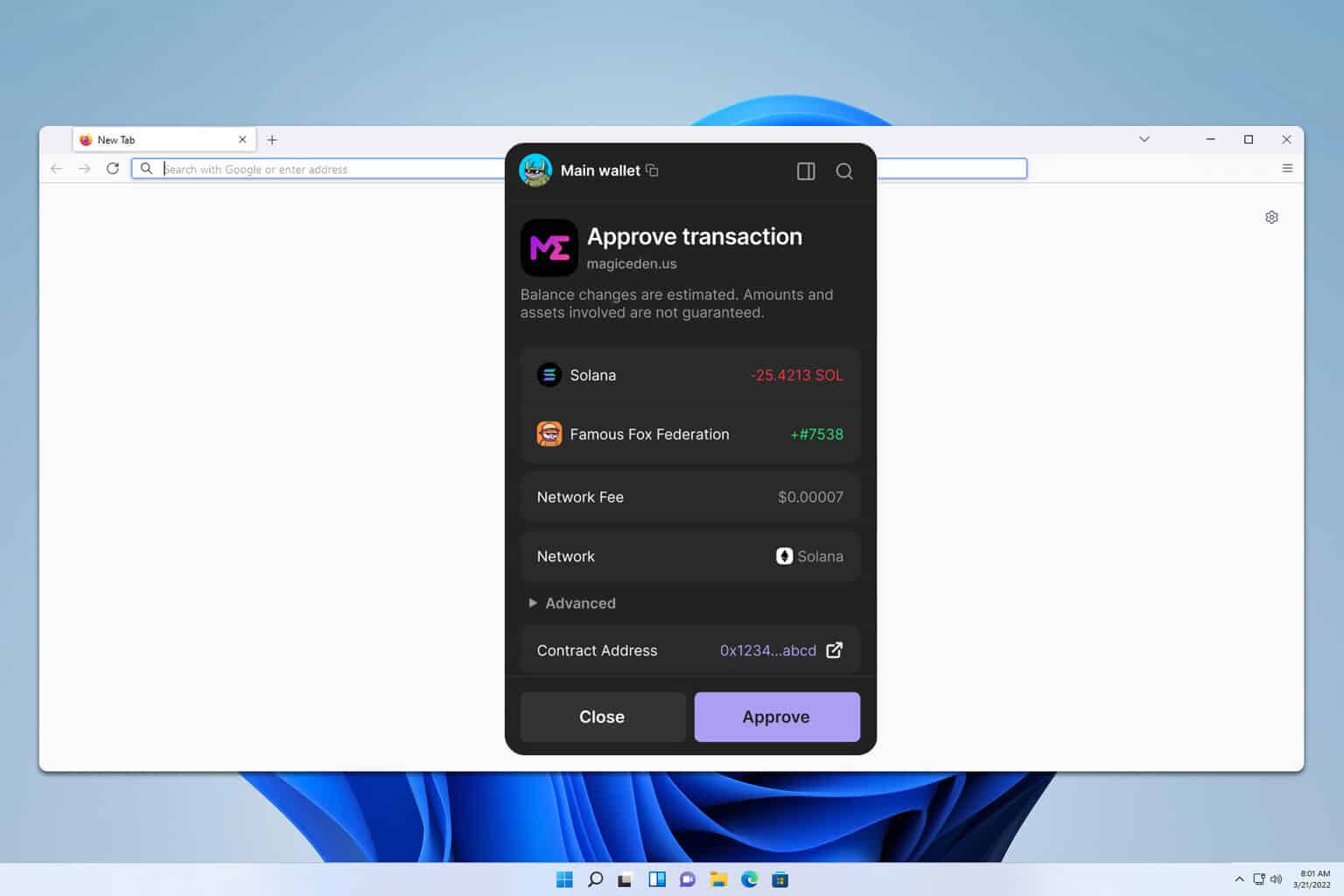
Screenshot of Phantom wallet extension showing NFT gallery and transaction confirmation

Where to get it safely

Here’s the thing. Phantom’s onboarding is friendly and even educational. Yet fake extensions exist, so verify sources. If you’re grabbing Phantom, don’t just click the first search result; go to an official source, verify the publisher on the extension store, and compare the checksum or signature where available so you don’t accidentally install an impostor that just sits and waits for a seed. One safe place to start is the official download page I reference below: https://sites.google.com/cryptowalletextensionus.com/phantomwalletdownloadextension/

Okay, real talk.

If you plan to use Phantom for DeFi and NFTs, set up multiple accounts. Use one for daily play, another for larger holdings. On paper it’s simple — compartmentalize exposure — but habitually switching accounts and mentally mapping which holds what took a few weeks for me to internalize, and I still tripped once by paying a gas fee from the wrong account. That kind of mistake is annoying and avoidable.

Oh, and by the way…

Browser choice matters; Chrome, Brave, and Edge handle extensions a bit differently. Keep your browser updated and sandboxed. Also consider plugin conflicts: I learned that some ad blockers interfere with popup flows, which caused a phantom popup to fail (yes, ironic) and cost me time during a mint drop — not money, thankfully, but I was sweating. So test your setup before big events.

Somethin’ I like.

I appreciate Phantom’s attention to microcopy and confirmations. They often explain why you’re asked to approve something. But I’m not 100% sure about every third-party wallet integration; some dapps request wide scopes and Phantom doesn’t automatically block everything, which means user vigilance is still the first and last line of defense. Use the transaction preview, expand details, and if it looks odd, stop.

My instinct said pause.

If you ever copy a seed phrase into an online form, that’s game over. Use air-gapped devices or hardware wallets for large keys. On one hand hardware is an extra expense and sometimes inconvenient, though actually the peace of mind it buys when paired with a reputable extension like Phantom is worth it for serious users. Even so, many folks will be fine with the extension alone if they follow basic safety steps.

I’m biased, sure.

I build in public and I like tools that nudge good behavior. Phantom isn’t perfect — it has tradeoffs. Initially I thought every wallet should be as minimal as possible, but after months of daily use I realized that thoughtful friction (like clear confirmations) can prevent mistakes that would otherwise cost real money, so design that protects users is worth slightly more complexity. This changed how I evaluate extensions. Anyway, try it smart.

Frequently Asked Questions

Is Phantom free?

Yes, Phantom is free to install and use for basic features; you pay network fees for transactions. For larger trades or custodial services you might face different fees, but the extension itself doesn’t charge subscription fees.

Can I recover my wallet if I lose my device?

Yes, if you securely backed up your recovery seed. Treat that phrase like your highest-value secret — write it down, store offline, and don’t type it into random websites. I’m not 100% sure a single method covers all threat models, but hardware plus written backups covers most.

Should I use Phantom for NFTs?

Absolutely — Phantom’s built-in gallery and transfer UX are excellent for everyday collectors. For high-value NFTs pair it with hardware storage strategies and always verify contract interactions before approving.