غير مصنف

Открой секрет выигрышных стратегий plinko uzbekistan – путь к захватывающим приключениям и щедрым вы

Почувствуй азарт падающего шара: Plinko – игра, где удача решает всё, а выигрыши растут с каждым уровнем риска.

В мире азартных игр существует множество развлечений, но лишь немногие из них могут похвастаться такой простотой и одновременно захватывающим геймплеем, как plinko game. Эта игра, ставшая популярной благодаря своей визуальной привлекательности и возможности выиграть, привлекает игроков всех уровней опыта. Plinko – это больше, чем просто удача, это возможность почувствовать азарт, наблюдая за тем, как шарик путешествует по полю, и надеясь на крупный выигрыш. Эта игра предлагает уникальный опыт, который сочетает в себе элемент случайности и стратегического выбора, делая каждое мгновение игры непредсказуемым и захватывающим.

Изначально Plinko являлась частью популярного телешоу, где игроки бросали диски, стремясь выиграть главный приз. Однако, с развитием технологий, игра перекочевала в онлайн-казино и стала доступна широкой аудитории. Сегодня существует множество вариаций Plinko, предлагающих различные уровни риска, множители выигрышей и дополнительные функции. Это позволяет каждому игроку выбрать оптимальную стратегию и наслаждаться игрой в соответствии со своими предпочтениями.

Как работает игра Plinko: Механика и правила

Основной принцип игры Plinko чрезвычайно прост. Игрок выбирает ставку и уровень риска, определяющие размер потенциального выигрыша. После этого шарик запускается с верхней части игрового поля, состоящего из множества штырей. Шарик, отскакивая от штырей, случайным образом падает в одну из ячеек внизу поля. Каждая ячейка имеет свой собственный множитель выигрыша. Игрок получает сумму ставки, умноженную на множитель ячейки, в которую попал шарик. Важно отметить, что более высокие уровни риска обычно предлагают более крупные множители, но и значительно увеличивают вероятность проигрыша.

Уровень Риска Количество Ячеек Диапазон Множителей Вероятность Выигрыша (приблизительно)
Низкий 20-30 1x – 10x 80% – 90%
Средний 30-40 5x – 50x 60% – 70%
Высокий 40-50 20x – 1000x 30% – 40%

Стратегии игры в Plinko: Повышаем шансы на выигрыш

Несмотря на то, что Plinko во многом зависит от удачи, существуют некоторые стратегии, которые могут помочь игрокам повысить свои шансы на выигрыш. Одна из самых популярных стратегий – это выбор среднего уровня риска. Этот уровень предлагает баланс между вероятностью выигрыша и размером потенциального выигрыша. Другая стратегия – это постепенное увеличение ставки после нескольких проигрышей. Однако, важно помнить, что эта стратегия сопряжена с риском потери больших сумм денег, и ее следует использовать с осторожностью.

Не менее важным является управление банкроллом. Определите для себя максимальную сумму, которую вы готовы потратить на игру, и не превышайте ее. Разделите свой банкролл на небольшие ставки и играйте до тех пор, пока у вас есть средства. Помните, что Plinko – это развлечение, и не стоит рассматривать ее как способ заработка. Играйте ответственно и наслаждайтесь процессом.

Влияние коэффициента возврата игроку (RTP)

Коэффициент возврата игроку (RTP) – это процент от всех ставок, который в среднем возвращается игрокам в виде выигрышей в течение длительного периода времени. В Plinko RTP может варьироваться в зависимости от конкретной версии игры. Обычно, чем выше RTP, тем более благоприятны условия для игрока. Перед началом игры рекомендуется ознакомиться с RTP выбранной версии Plinko, чтобы получить представление о ее потенциальной доходности. Следует понимать, что RTP – это статистический показатель, и конкретный результат игры может значительно отличаться от среднего значения.

Психологические аспекты игры Plinko

Игра Plinko, как и другие азартные игры, может вызывать сильные эмоции и приводить к зависимому поведению. Важно осознавать это и контролировать свою игру. Не позволяйте эмоциям влиять на ваши решения, и не пытайтесь отыграться после проигрышей. Если вы чувствуете, что теряете контроль над своей игрой, обратитесь за помощью к специалистам.

Разновидности Plinko: От классики до современных инноваций

Со временем Plinko претерпела множество изменений и появилась в различных вариациях. Некоторые версии предлагают дополнительные бонусы, множители выигрышей или специальные функции. Например, существуют игры, в которых шарик может проходить через определенные штыри, активируя дополнительные призы. Другие версии предлагают прогрессивные джекпоты, которые могут достигать огромных сумм. Разнообразие вариантов делает игру более интересной и увлекательной, позволяя игрокам выбирать наиболее подходящий формат.

  1. Классический Plinko: Оригинальная версия игры, максимально приближенная к телешоу.
  2. PlinkoXY: Версия с возможностью выбора различных коэффициентов и уровней риска.
  3. Plinko Rush: Ускоренная версия игры с быстрым темпом.
  4. Plinko Diamond: Версия с бриллиантами, дающими дополнительные множители выигрыша.

Платежные системы и безопасность в онлайн-казино с Plinko

При игре в Plinko в онлайн-казино важно убедиться в безопасности используемых платежных систем и надежности самого казино. Убедитесь, что казино имеет действующую лицензию, выданную авторитетным регулирующим органом. Обратите внимание на используемые методы шифрования данных для защиты вашей личной информации и финансовых транзакций. Популярные и безопасные платежные системы для онлайн-казино включают кредитные карты, электронные кошельки и банковские переводы.

Платежная Система Преимущества Недостатки
Кредитные Карты (Visa, Mastercard) Широкая распространенность, удобство использования Возможные комиссии, ограниченные лимиты
Электронные Кошельки (Skrill, Neteller) Быстрые транзакции, высокая безопасность Возможна регистрация в системе, комиссии
Банковские Переводы Высокие лимиты, надежность Длительное время обработки, возможные комиссии

Популярные онлайн-казино, предлагающие Plinko

Существует множество онлайн-казино, предлагающих игру Plinko. Среди наиболее популярных и надежных казино можно выделить те, которые обладают хорошей репутацией, предлагают широкий выбор игр и гарантируют безопасность и честность игрового процесса. Также важно обращать внимание на наличие лицензии, бонусные программы и качество службы поддержки.

  • Проверьте наличие лицензии у казино.
  • Изучите отзывы других игроков.
  • Обратите внимание на бонусные предложения.
  • Убедитесь в наличии круглосуточной службы поддержки.

Why your seed phrase, dApp browser, and staking rewards actually matter (and how to handle them like a pro)

Whoa! My first wallet felt like a secret diary. I scribbled the seed phrase on a sticky note and tucked it into a junk drawer. That was dumb, obviously—though at the time it seemed harmless. Looking back, something felt off about how casual I had been…

Seriously? You’d be surprised how many people treat seed phrases like backup email addresses. Most think: “I have it saved somewhere,” and then they don’t. Initially I thought a photo of the phrase on my phone would be fine, but then I realized phones get stolen, lost, or targeted by malware. Actually, wait—let me rephrase that: phones are convenient, but convenience is the enemy of security when it comes to long-term crypto custody. So, yeah, let’s talk about better options.

Short version: seed phrases are your life key. Keep them offline. Keep them redundant. Keep them simple enough to recover from, but complex enough to resist casual snooping. I’m biased, but this part bugs me—because it’s very very important and often ignored.

Hmm… Paper backups work in a pinch. Metal backups survive fire, water, and the occasional kitchen mishap. On the other hand, metal plates cost money and you need the right tools to engrave or stamp them. For Americans who move apartments a lot (guilty), consider a small fireproof safe or a trusted safety deposit box. (Oh, and by the way—avoid telling too many people about the box.)

Here’s the thing. Splitting a seed phrase across multiple locations can be smarter than one single backup, though it adds complexity. Shamir Secret Sharing lets you split the phrase into shares, which is great for teams or families, but there’s an operational overhead and potential for human error. On one hand it reduces single-point failure; on the other hand, too many pieces can mean you lose them all. Make a plan for who handles what, and practice a mock recovery before you need it.

A hand holding a stamped metal seed backup beside a phone with a dApp open

Seed phrase best practices for mobile DeFi users

Wow! Always write the phrase by hand. Don’t type it into cloud-synced notes. Use a permanent marker on a card, or stamp it into metal. My instinct said paper was enough, but after a near-miss I switched to metal—so yeah, real-world testing matters. Keep duplicates in separate, geographically distributed spots when feasible.

Test your recovery. Seriously, restore to a new device and make sure the phrase works. This seems obvious, but people skip it and regret it later. Initially I thought testing was overkill, though it saved me when an old phone bricked unexpectedly. On the technical side, remember that different wallets can use different derivation paths—so test with the wallet you’ll actually use for recovery.

Don’t use screenshots. Don’t email your seed. And be careful with passphrases (also called 25th words). Adding a passphrase gives you plausible deniability and extra security, although if you forget it you lose everything. Hmm… that’s a big trade-off. If you choose a passphrase, store it separately from the mnemonic and consider a secure mnemonic manager for that one extra layer.

dApp browser: power and peril on mobile

Whoa! Mobile dApp browsers are where DeFi gets really fun. They let you connect to decentralized exchanges, NFT marketplaces, yield protocols—right from your phone. But convenience cuts both ways; connecting a wallet to dozens of dApps without auditing their permissions is a recipe for disaster. Take a breath before approving transactions, and check the contract address carefully (copy-paste, then compare).

Really? Approvals are the hidden cost. Some tokens require unlimited approvals, which malicious contracts can exploit to drain funds. Revoke or limit approvals using on-chain tools regularly. For frequent traders, maintaining a small hot wallet for active interactions and a cold stash for long-term holdings reduces risk and mental load.

Trust but verify. Use wallet interfaces that display transaction details clearly, and if a dApp asks for admin-like permissions, pause. Initially I thought I could eyeball every permission, but with dozens of tokens it becomes mentally exhausting. So build a routine: small allowance, test transfer, then escalate if needed. This simple habit prevents many common losses.

Okay, quick tangent—(I once nearly approved a malicious contract because the UI looked legit). Bad UI plus greed is a dangerous combo. Lesson learned: trust the wallet UI and the source of the dApp link, not the flashy graphics.

trust wallet and mobile UX

I’m not endorsing every feature blindly, but good wallets balance security and usability. I use wallets that let me inspect transactions and revoke approvals easily, and that give clear warnings about risky dApps. For many mobile users, a trusted wallet app is the sweet spot between accessibility and control. If you’re mobile-first and exploring DeFi, choose an app with a clean dApp browser and robust seed phrase handling.

Something else: backup prompts. A wallet that nags you to back up your phrase early is doing its job. Ignore that nag at your peril. I’m not 100% sure which wallet is perfect, but having an embedded recovery test feature is a huge UX win—reduce the guesswork, reduce the mistakes.

Staking rewards: how to earn, but not get burned

Whoa! Passive income is seductive. Staking offers attractive APYs on many chains. But lockups, slashing, and protocol risk can wipe out gains in a heartbeat. On one hand staking feels like “set it and forget it”; though actually, monitoring validators and protocol health is important. So do the math before delegating.

Choose reputable validators. Look at uptime, commission fees, and community reputation. Low commission isn’t the only metric—reliability matters more when rewards compound. Initially I favored the cheapest validator, but then a validator I picked went offline during a market crash, and rewards suffered. Trade a little fee for stability when you can.

Understand lock periods and unstaking delays. Many chains have unbonding windows measured in days or weeks, which affects liquidity planning. If you might need the funds, consider liquid-staking derivatives, but know they carry smart contract risk. Hmm… trade-offs everywhere.

Compound carefully. Re-staking rewards increases yield, though it can increase exposure to a single protocol. My gut says split your staking: some in stable, well-known validators; some in experimental validators for higher yield, if you can stomach the volatility. And keep tax records—staking rewards are often taxable upon receipt, depending on your jurisdiction (consult a tax pro, I’m not one).

Common questions

How should I store my seed phrase for the long term?

Write it down by hand, make at least two copies, and store them in separate, secure locations (e.g., a fireproof safe and a bank safe deposit box). Consider a metal backup for disaster resilience, and test recovery on a fresh device before relying on it.

Can I use screenshots or password managers?

Don’t use cloud-synced screenshots. Password managers that encrypt data locally are usable, but they introduce a single point of failure—if the manager is breached or you forget its master password you’re toast. For long-term cold storage, offline physical backups are safer.

Are mobile dApp browsers safe?

They can be, if you vet dApps carefully, limit approvals, and use a wallet with strong permission transparency. Always double-check contract addresses and consider keeping only a small operational balance in the mobile hot wallet.

How do staking rewards affect taxes?

Taxes vary by country and often by state. In the US staking rewards are generally taxable as income when received and may have capital gains implications on disposal—so track everything and consult a tax professional. Keep detailed records of rewards and dates.

CoinJoin, wallets, and the messy art of real Bitcoin privacy

Whoa! I got hooked on this topic years ago. My instinct said there was more to privacy than just hiding amounts. At first I thought moving coins through a mixer was enough, but then reality set in. Actually, wait—let me rephrase that—mixing is a tool, not a cure-all, and thinking otherwise is dangerous if you care about long-term privacy.

Really? Yes. CoinJoin sounds simple on paper. You and a handful of strangers combine transactions to break linkability. But the devil lives in the details, and those details are the parts that make or break your privacy, especially when chain-analysis firms are watching every block. Hmm… somethin’ about the adversary model matters more than people expect.

Here’s the thing. Most wallets don’t manage UTXOs the way privacy-focused users should. They create change, stitch inputs, and leak metadata like traffic lights on a quiet road. On one hand it’s UX-friendly; on the other hand this behavior makes you trivial to cluster. So if you want real privacy, you need a wallet that treats coins as citizens with distinct identities and histories.

Whoa! I’m biased, admittedly. I use tools that prioritize privacy over convenience. The learning curve is steep. But after a few sessions you start to think in UTXOs not balances, and that switch changes your decisions at the faucet, at the exchange, and at the merchant checkout. That mindset shift is subtle, though actually crucial for long-term unlinkability.

Seriously? Yes, and here’s a practical example. If you join a CoinJoin with mixed and unmixed coins together, you just made life easy for a chain analyst. If you reuse addresses or cash out partially, patterns emerge like footprints in fresh snow. On the other hand, disciplined post-mix behavior — keeping mixed coins separate and spending them thoughtfully — reduces linkability dramatically, though it requires patience and some planning.

Wow! CoinJoin designs vary. Some coordinate rounds centrally, others are peer-to-peer. Each design leaks different signals. A coordinator can be a single point of observation, whereas fully decentralized schemes may trade usability for stronger privacy guarantees, and those tradeoffs are not theoretical, they play out in real wallets and real transactions every day.

Hmm… a wallet matters. Wallets that nudge you toward better UTXO hygiene help. For people ready to dive deeper, wasabi wallet is an option that treats CoinJoin as a core feature rather than an add-on. It isn’t flawless, and it’s not for every user, but it’s built around thinking in coins and rounds, which is a different mental model than most mobile wallets push.

Whoa! Learning curve warning. Expect to wait during rounds. Expect to manage labels and arcs of coins. Many folks bail because it feels clumsy. But if you tolerate friction for privacy you get outcomes that clinics and papers call “meaningful entropy,” meaning the anonymity set shrinks your chances of being singled out. That said, I’m not 100% sure every workflow is perfect; there are still operational mistakes people make.

Really? Patterns to avoid are straightforward. Don’t taint mixed coins by combining them with your exchange withdrawals. Don’t cash out mixed coins to KYC’d services without splitting them first. If you do, you reintroduce ties between your identity and previously private UTXOs, which undoes much of the benefit. On one hand it’s common sense; on the other hand it trips up the most tech-savvy users because they rush or are lazy.

Here’s the thing. Timing leaks are real. If you spend immediately after a CoinJoin round and your peer set is small, heuristics can link you. Wait a while. Spend in slices. Use different counterparties over time. These are behavioral mitigations that require discipline, which is why so many people fail even after they mix. And this is where law, UX, and human impatience intersect — messy, often contradictory.

Whoa! Hardware matters too. Signing transactions on a hardware wallet reduces the risk of key compromise, but it doesn’t automatically give you privacy. Most hardware wallets will happily sign any transaction; they don’t police confidentiality. So you need a wallet that orchestrates CoinJoins while safely interacting with your hardware device, otherwise the chain-level privacy benefits can be lost to poor operational security.

Hmm… consider fees and denomination strategy. Larger anonymity sets are better, but smaller, repeated rounds with consistent denominations reduce obvious outliers. If your CoinJoins always produce a weird leftover amount, those leftovers become bright flags. Mixing is an economy. Fees, times, and participant behavior all influence outcomes, and sometimes paying a bit more in fees is worth the privacy return — though that depends on your threat model.

Wow! Threat model time. Adversaries differ. A casual observer is one thing. A motivated chain-analyst firm with proprietary heuristics is another. If you’re targeted by law enforcement or corporate surveillance, assume they can collect on-chain and off-chain metadata (IP, exchange records, timing). Plan for that. That means combining on-chain techniques with network-level protections and careful fiat rails behavior.

Here’s the thing. OPSEC matters. Use Tor or a VPN when joining rounds. Segment your identities. Keep KYC activity and private holdings on different rails. These are blunt instruments but effective when used consistently. I’m not here to moralize; I’m telling you what works and where people slip up, because this part bugs me — privacy is undone by tiny human habits.

Really? Future directions are hopeful. Protocols continue to evolve. Better decentralized coordinators, lower-fee mixes, and improved UX are being built. Even so, the arms race with analytics is ongoing, which means staying educated is part of the game. Initially I thought progress would be linear, but actually the landscape is more cyclical: innovation, response, iteration.

Visual metaphor: tangled threads representing UTXO linkability, with one thread carefully separated

Practical checklist for better privacy

Whoa! Start small. Separate funds into distinct UTXO sets. Join multiple CoinJoin rounds over time. Avoid combining mixed with clean or KYC’d coins. Use network privacy tools like Tor during coordination and signing. Be patient; privacy is a marathon, not a sprint.

FAQ

Is CoinJoin legal?

Generally, yes. Mixing coins is legal in many jurisdictions, but laws vary and regulators may scrutinize mixed funds differently, especially when linked to illicit activity. I’m not a lawyer—if you’re worried consult counsel. Practically speaking, behavior that blurs intent and provenance is what draws attention, so act with caution.

Can I use CoinJoin on mobile wallets?

Some mobile wallets have limited mixing features or delegate mixing to custodial services, which reduces privacy guarantees. Non-custodial desktop wallets with CoinJoin support typically provide stronger controls. If mobility equals convenience for you, weigh that against the reduced privacy outcomes; it’s a personal tradeoff.

What’s the single best habit for privacy?

Keep mixed coins separate and spend them slowly. Seriously. Mechanical habits like small, randomized spends, waiting between rounds, and avoiding address reuse make a disproportionate difference. It sounds boring, but it’s effective.

Why your next 2FA app should be a TOTP-first authenticator (and how to pick one)

Okay, so check this out—I’ve been messing with two-factor apps for years. Wow! Picking a TOTP app feels simple on the surface, but it sneaks up on you. At first glance you think: install, scan, done. Initially I thought the biggest difference was UX, but then realized that backup, portability, and account recovery matter way more over time.

Whoa! Security folks love acronyms. Really? Yeah. TOTP stands for time-based one-time password, and it’s the little six-digit code that changes every 30 seconds. My instinct said “use app-based codes” when I first wanted to lock down my accounts, and that gut feeling mostly served me well.

Hmm… there’s more though. Short term convenience often hides long-term risk. On one hand a cloud-syncing authenticator is convenient, though actually it increases your attack surface if the sync key is compromised. Initially I worried about losing my phone, but then realized that lacking proper export/import tools is the real headache.

A phone showing a list of TOTP codes, with one highlighted and a padlock in the background

What to look for in a TOTP (OTP) generator app

Here’s the thing. Choose the right app and you’ll never curse at account recovery. Seriously? Yes. Usability matters—copy/paste buttons, clear labels, and per-account notes save time. But the deeper stuff—export/import, encrypted backups, and open-source audits—are what keep you sleeping at night.

Short list first. Portability, secure backup, auditability, and ease of use should top your checklist. On the surface those items look obvious, but they aren’t equally implemented. For example, some apps have encrypted cloud sync, while others force manual exports that are cumbersome and risky if done wrong.

Something felt off about many “authenticator” apps in the store. Hmm. They promised convenience, yet buried export options behind multiple menus, and some used proprietary formats that break when you switch platforms. I’m biased toward apps that let you export encrypted JSON or a well-documented OTP URI export, because that lets you migrate without starting over.

Alright—practical rules that actually matter: if an app offers cloud sync, make sure the data is end-to-end encrypted using a passphrase you control. If there’s no E2EE, treat cloud sync like a convenience, not a backup. On the other hand, hardware keys and push-based MFA have their use cases, but TOTP remains the universal fallback for most logins.

Common pitfalls people ignore

Hmm, this part bugs me. People set up TOTP and never export recovery codes or backups. Really? Yep—then they lose access when a device dies. My experience: losing 2FA access is more annoying than the initial setup was fast. Initially I thought recovery codes were enough, but then realized those codes can be misplaced or lost when you need them most.

Another issue: relying on SMS or call-based 2FA for recovery while using TOTP as primary. That makes little sense because SMS is weaker than TOTP and often the target of SIM-jacking. On one hand SMS offers convenience, though actually it’s a fragile fallback in many regions. I’m not 100% sure about every carrier, but the trend is worrying.

Oh, and duplicate account entries. Many apps import the same account twice when you re-scan a QR code, so your list becomes cluttered. It’s a small annoyance, but very very annoying when you’re late for a meeting and hunting for a code. Small UX failures add up, trust me.

How I evaluate authenticity and security

Okay, first a quick rule: prefer open-source projects when possible. Whoa! Open code doesn’t guarantee security, but it allows third-party audits and community scrutiny. Medium-sized teams with clear security practices, audits, or bug bounty programs are preferable to unknown blender of code.

Check the permission set. Seriously? Apps asking for contacts, SMS access, or broad cloud permissions should raise eyebrows. Minimal permissions usually mean the app does one job and does it well. If it claims to sync to a generic cloud without E2EE, assume that your secrets are only as safe as that provider’s servers.

Here’s another practical tip: test account migration before you depend on an app. Create a throwaway account, enable 2FA, export it from the app, then import on a second device. If anything breaks, that’s a red flag. Initially it sounds tedious, but doing this once saves hours and stress later.

When to use hardware keys vs TOTP

Short answer: use both when possible. Hmm. Hardware keys (FIDO2/WebAuthn) are excellent for phishing resistance and are supported increasingly by major services. But not every site supports hardware tokens, and that’s where TOTP fills the universal gap. My approach is layered: prefer hardware keys for primary accounts and TOTP for legacy or secondary sites.

On one hand hardware tokens are stronger because they require physical possession, though actually they can be lost or damaged just like phones. Have backups: a spare token or a secure TOTP backup. I’m not 100% sure which token brand I’ll settle on long term, but I recommend buying two when you can afford it.

Also consider account recovery workflows. Some services allow backup codes; others let you register multiple authentication methods. Use multiple recovery options and store them in a password manager or a safe place. It sounds overkill, and maybe it is—until your phone updates and decides to factory reset in the middle of a trip…

Where to get a reliable authenticator

I’ll be honest: app stores are noisy. Pick one with clear documentation, transparent backup options, and a track record. Check whether the vendor provides a secure export/import format or supports standard OTP URIs. If you want a straightforward place to start for a mainstream app, consider an official download link for an authenticator that fits your platform needs—one place to check is this authenticator download.

Some people prefer local-only apps that never touch the cloud. Others choose cloud-backed solutions for convenience. Both are valid. My bias leans toward E2EE cloud sync if you travel a lot and can’t babysit exports, but I’m fine with local apps for strictly offline security needs.

FAQ

What is the difference between TOTP and HOTP?

Short: TOTP is time-based; HOTP increments with each use. TOTP codes refresh every 30 seconds and are widely used for 2FA. HOTP can be useful for offline devices, though it’s less common in consumer services these days.

Can I recover my accounts if I lose my phone?

It depends. If you exported backups or saved recovery codes, yes. If you used cloud sync with E2EE and remember your passphrase, yes. If none of the above, you’ll need provider-specific account recovery which can be slow and painful—so plan ahead.

Are open-source authenticators always better?

Not always. Open-source increases transparency, but project activity, maintainer responsiveness, and security hygiene matter more than a license label alone. Evaluate recent commits, issues, and community trust before choosing.

Alright, final thought: 2FA is a habit, not a checkbox. Really. Build redundancy into your setup, test migrations, and pick tools that match your risk model and lifestyle. Something about this whole space rewards a bit of paranoia plus a lot of pragmatic testing—so try things, break things on purpose, then fix them before real problems hit. I’m biased, sure, but after a few rebuilds and one frantic support call at 2 AM, I promise a little foresight goes a long way…

Why Combining a Hardware Device with a Multi-Chain App Actually Makes Sense

Okay, so check this out—I’ve been messing with wallets since the days wallets felt like spreadsheets. Wow! The space has changed. Multi-chain needs have exploded. My instinct said: you can do everything on a phone, right? But something felt off about putting all your keys in one app forever.

Here’s the thing. A hardware wallet isolates private keys from the internet, and a well-designed multi-chain app makes managing assets across networks intuitive. Seriously? Yeah. At first I figured a single device or a single app would suffice, but then reality hit: chains multiply, dApps evolve, and recovery scenarios get messy. Initially I thought it was overkill to pair both, but then I realized the combination fixes many real-world problems—usability, safety, and flexibility—without being brutal about security.

Why use both? Short answer: trade-offs. Long answer: hardware devices minimize attack surface while multi-chain apps reduce friction for asset management and DeFi interaction. On one hand a hardware wallet feels clunky for swapping tokens; on the other hand, a pure app wallet exposes signing keys to the device software and apps. Actually, wait—let me rephrase that: you want the private key tucked away, but you also want the convenience of multi-chain token swaps and NFT galleries. So pairing a hardware wallet with a capable app is pragmatic.

Whoa! A quick anecdote: I once approved a shady transaction from an app that tried to drain tokens through a malformed permit. Luckily I had the hardware confirm screen and caught the odd address. That ticked me off—this part bugs me—because without the physical check I would’ve lost funds. I’m biased, but that little metal or plastic dongle saved me. I’m not 100% sure we’ll always be this lucky, though.

Hardware wallet connected to mobile app showing multiple chains

How the combo actually works in everyday use

Think of the hardware device as your vault and the multi-chain app as your dashboard. The app shows balances across Ethereum, BSC, Solana, and more. It composes transaction requests and sends them to the hardware for signing. The signer then returns signed data, and the app broadcasts it. Simple model. But messy implementation sometimes—APIs differ, addresses look alike, and token standards vary.

Check this out—if you’re using a multi-chain app like the one I linked to below (I recommend safepal wallet for a practical combo), the app manages chain configurations, RPC endpoints, and dApp connections. The hardware keeps the keys offline and shows transaction details on a screen that a remote attacker can’t tamper with. Hmm… small screens can be annoying. But at least you can verify amounts, recipients, and sometimes smart contract data before you sign.

What about compatibility? Not all hardware supports every chain, and apps don’t always expose full features for every network. You may need firmware updates, extra plugins, or to bridge assets in quirky ways. On a good day it’s seamless. On other days you wrestle with derivation paths and import formats. (oh, and by the way… backups matter a lot.)

Practical tips for pairing safely

1) Start with firmware and app updates. Old firmware can be problematic. 2) Only use official or well-reviewed apps. 3) Test with small amounts first. 4) Keep a secure recovery phrase backup offline, and consider a second device as a contingency. 5) Use passphrases carefully and document how they work for you. These are basic rules. Follow them.

My instinct says treat passphrases like nuclear codes: don’t write them on a device. But I’m lazy sometimes, so I use a fireproof metal plate. Something worked for me. Honestly, I’m not thrilled about relying on paper in humid climates—it degrades. So plan for your local conditions.

One important technical point: watch derivation paths. Many wallets use BIP44, others use slighly different defaults, and that causes addresses to vanish if you import the seed incorrectly. That problem is common and very very annoying. Test recoveries before you go big.

Common failure modes and how to mitigate them

Phishing dApps—always present. A malicious site might try to trick you into approving a contract call that looks normal but has hidden approvals. The hardware screen helps, yet some contracts show minimal info. So don’t rely solely on the visuals; check the contract source or use reputable explorers where possible.

Loss or theft of the device is another scenario. If your seed is secure, loss is survivable. But if you stored the seed badly, you’re toast. And yes, thieves can force you to unlock devices in the real world, so consider geographic storage and distributed backups. On the flip side, some users overcomplicate backups—don’t do that unless you can manage it reliably.

Interoperability is also a pain. Bridges can be sketchy. When moving assets between chain ecosystems, prefer audited bridges, small amounts initially, and monitor tx confirmations. Some chains finalize fast; others are slow. Be patient. (Also: gas tokens vary, so plan accordingly.)

FAQ

Do I need a hardware wallet if I only hold small amounts?

Depends. If you value absolute safety, yes. If you treat crypto like a casual hobby stash, maybe not. My take: start with a hardware for long-term holdings, keep spendable amounts in the app. A layered approach reduces risk while keeping convenience.

Will a multi-chain app support every token I own?

Not always. Popular tokens are covered, but new or obscure tokens might not show up automatically. You can sometimes add custom tokens or connect through contract addresses. That requires caution—verify contract addresses on trusted sources before adding anything.

How do I verify a transaction on the hardware?

The device should display the destination address, token, and amount. Compare the visible address prefix/suffix and the amount. If the device shows a long unreadable hash for contract calls, use block explorers or developer tools to inspect the details before approving. If it feels weird, decline.

Alright—closing thought. I’m cautiously optimistic about the multi-chain future. There will be more chains, more UX improvements, and hopefully better standardization. Something felt off early on, but progress is real. Get a hardware device, pair it with a trusted multi-chain app, practice safe backup habits, and test your recovery. You’ll sleep better. Or at least that’s been my experience, for now…

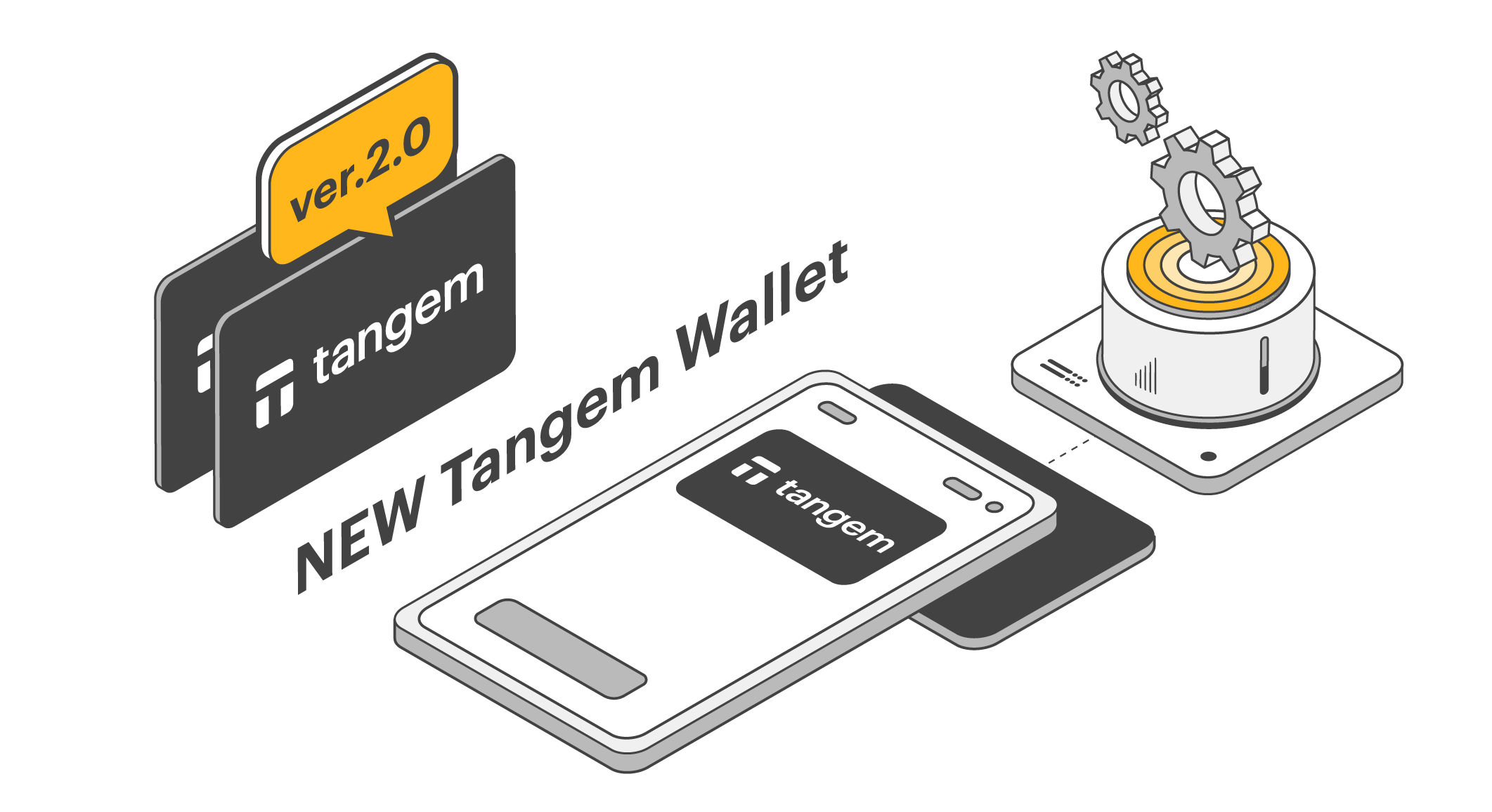
Why a Card-Based Hardware Wallet (Like Tangem) Feels Different — and Better — for Everyday Crypto

Whoa! I’m gonna be blunt: a tiny metal card holding your crypto sounds like sci-fi, but it works. Short story first: I swapped my chunky keyfob and seed phrase ritual for a card that taps my phone, and it changed how I manage small, but real money. Seriously? Yep. My instinct said this would be gimmicky. Initially I thought it would be another half-baked gadget. But then I realized the UX tradeoffs are subtle and meaningful — and somethin’ about this design keeps you coming back.

Here’s the thing. Card wallets like Tangem are simple on purpose. They trade the theater of a cold storage ritual for frictionless everyday safety. That bugs some hardcore users. I get it. I’m biased toward physical simplicity, though actually, wait—let me rephrase that: I value predictable, low-friction security more than applause for complexity. On one hand, mnemonic phrases are robust. On the other hand, nearly everyone hates managing them in real life. The card removes much of that human error without turning the security dial way down.

First impressions matter. Tap your phone, sign a tx, wallet confirms. Hmm… it feels close to using a contactless bank card. No cables. No awkward adapters. No tiny screens to fumble with. But don’t mistake smoothness for weakness. The private keys live inside the card and never leave. That boundary — hardware-enforced, NFC-isolated — is the core strength. My head says “this is elegant”. My gut said “is it safe enough?” Then I dug in.

A Tangem-style NFC card next to a smartphone showing a crypto app

How the Tangem card + app combo actually behaves (and why I recommend checking it out here)

Okay, so check this out—when you pair the card with its app, you’re not exporting a key or copying a phrase. You pair, you authenticate by tapping, and the app sends signing requests to the card over NFC. The card signs. The signature comes back. The app broadcasts the transaction. Simple, but there are layers: physical possession, device-level permissions, and app UX that confirms every action. On a practical level that means fewer accidental sends. It also means recovery is different — and that’s where readers should pay attention.

Recovery is the thorny part. Tangem cards use backup strategies that can include multiple cards, partner services, or custodial options depending on your risk profile. I tried the multi-card approach (a primary and a backup at two separate locations). It felt very very important to set that up right away. Honestly, this is where most users trip up — they assume a single card is enough, and it’s not if you lose or damage it. So plan for redundancy, and test your restore flow before you trust it with significant amounts.

Some more practical notes: NFC range is tiny. That’s both a privacy plus and a UX minus. You have to be deliberate with a tap. It’s not going to sign across the room. That made me feel safer. But—oh, and by the way—there are times when NFC on older phones can act finicky (Android fragmentation, I see you). If your phone struggles, try another device before panicking. The app logs and support are decent, but expect to tinker a bit if you’re picky.

Security culture matters here. Hardware wallets with screens give you some visual verification of addresses. Card wallets lean on protocol-level assurances and mobile confirmations. Initially I thought that lack of tiny on-card display was a dealbreaker. Though actually, after comparing failure modes, I realized that the card’s sealed key storage plus app-level address verification still reduces risk for average users. It’s a different set of tradeoffs — and for everyday spending or frequent small transfers, the card nails convenience without throwing away security.

One quirk that bugs me: human backup behavior is messy. People will store a single card in a wallet, lose it, then blame the tech. So the human process around cards is as important as the hardware. My recommendation: treat a Tangem card like your passport, not like your business card. Store backups off-site and tag them (physically) so you remember what they are. I’m not 100% sure everyone will do that, but that’s the real-world gap between theory and practice.

Real-world scenarios where a card wallet shines

Commuting with crypto. Quick micro-payments at a coffee shop. Splitting bills with friends when you want crypto instead of Venmo. Those are the day-to-day wins. Seriously — tapping to sign a transaction is less friction than digging up a seed phrase or juggling a ledger device plus cable. Also, for people who prize physical possession (and enjoy carrying a minimalist item in their wallet), this is a psychological comfort. You feel in control.

Business use is another case. If you’ve got an employee who needs signing power for limited amounts, issuing a card is easier than teaching them seed management. It can be revoked (depending on setup) and physically reclaimed. That said, for very high-value custody, I’d stack layers — multi-sig, hardware with screens, or institutional solutions are still preferable.

On the flip side: if you’re a collector of long-term NFTs or hodling large sums that you never touch, traditional cold storage remains a solid choice. Card wallets are complementary, not universally superior.

FAQ

Is a card wallet like Tangem secure enough for significant holdings?

Short answer: yes, but with caveats. The card’s private key never leaves the chip, which is strong. However, you should plan for redundancy (multiple cards or trusted backups) and consider multi-sig for large amounts. Treat the card like a critical physical key — lose it and you could be locked out unless you prepared a restore plan.

What if my phone doesn’t support NFC well?

Try a different device. Many setups allow pairing multiple phones. Also keep a backup card in a safe place. NFC on older phones can be temperamental; this is a practical annoyance, not a security failure.

Can I use the card with multiple wallets or services?

Some ecosystems and apps support the card standard, but integrations vary. Check compatibility before relying on a specific third-party app. The vendor app tends to offer the smoothest experience.

Okay — last thought: hardware is only as good as the habits around it. I’m excited about card wallets because they lower friction for secure crypto use. They also force you to think about physical custody in a realistic way, which is rare. Will they replace all other wallets? Not even close. But for many people, a Tangem-style card is the right balance of security and convenience. Hmm… try one on for a week and see how it fits. You might be surprised.

Why Rabby Wallet Changed How I Use DeFi (and what that actually means)

Whoa! I remember the first time a swap nearly ate my gas fee. It was annoying and surprising. My instinct said “don’t do it,” but curiosity won. Initially I thought all wallets were basically the same, though actually I was wrong.

Seriously? The UX differences matter a lot. Medium-level design choices cut real friction for repeat interactions. Small confirmations, clear routes, and transaction simulation save me time and money. I’m biased, but wallet UX is a DeFi multiplier.

Here’s the thing. When you use complex dApps, one misclick can cost you. You need a wallet that anticipates edge cases and explains them simply. Longer-term confidence with your tooling is underrated; it changes behavior and strategy.

Wow! I started paying more attention to pre-transaction simulations. Seeing the exact approval and call flow before signing felt like peeking under the hood. On one hand it reduces surprise; on the other, it trains users to think in terms of calls and gas rather than just clicking. My approach evolved—slowly at first, and then with a few painful lessons.

Hmm… not every wallet offers transaction simulation. That gap bugs me. You end up trusting bridges or aggregator heuristics without really knowing what’s happening. It’s like driving with a blindfold—oh, and by the way, that’s a bad idea.

Okay, check this out—Rabby has a practical take on this. The wallet integrates transaction simulation and granular approvals in a way that feels intentional. I tried it across AMMs and lending protocols and the differences were obvious. The simulations explained token movements and calldata in plain terms while still showing the low-level bits.

Really? Let me be concrete. One trade path would have routed through three pools and cost me an extra couple percent slippage. The simulation flagged it up front, and I chose a different route. That saved me real value—money that otherwise would have vanished into route inefficiency.

Something else: permission management. Approvals are a chronic pain point in DeFi. My instinct used to be “approve everything once and forget it,” which is dumb and risky. Initially I thought one-time approvals were tedious, but I then realized incremental approvals plus clear revoke flows are safer and not that inconvenient.

Whoa! Seeing scopes and expiration on approvals changed how I grant permissions. Now I give the minimum and set timeouts when possible. On the rare occasion when I need persistent access, I consciously accept tradeoffs. Those tiny decisions compound over months.

I’ll be honest—I still forget the occasional revoke. Humans are like that. But the wallet’s safety nudges help. Having a permission dashboard with easy revoke options made me actually check permissions, rather than relying on memory or third-party trackers.

Here’s another nuance: dApp integration. Rabby doesn’t just connect. It contextualizes requests so you understand what a dApp is asking for. That matters when a dApp attempts to bundle approvals or call unfamiliar contracts. My first impression was cautious, and then I saw how much clearer the call-descriptions were.

Hmm… on-chain complexity can be intimidating to new users. Developers sometimes expect users to understand calldata or proxy patterns. A wallet that translates those low-level actions into human terms lowers the barrier to entry. That benefit is as much social as technical: it brings more people into DeFi with fewer costly mistakes.

Really? Security features deserve a shout-out. Transaction simulation, approval scoping, and clear domain display are security primitives now. Combined, they reduce phishing risk and front-running surprises. I tested this across a dozen dApps, and the consistency made risk modeling simpler.

Wow! Integration with gas and bundling services is surprisingly practical. Optimizing for gas and batching approvals where appropriate saved me multiple transactions. On the one hand it reduces costs; on the other hand it adds complexity that the wallet must hide behind good defaults.

Okay, a quick caveat. No wallet is a silver bullet. I’m not 100% sure any single tool covers every threat model. There are still smart-contract risks, and social-engineering issues you can’t fully automate away. But a wallet that gives you visibility and control shifts probabilities in your favor.

Here’s the practical takeaway. If you use DeFi frequently, prioritize tooling that shows you what will happen before you sign. Look for transaction simulation, granular approvals, and readable call explanations. For me, switching workflows around those principles made my DeFi life less stressful and often more profitable.

Check this out—if you want to explore a wallet that emphasizes those details, take a look at rabby wallet and try a couple of simulations on testnets first. Start small, watch the simulated call flows, and you’ll learn fast without risking funds.

Screenshot of a transaction simulation interface with annotations

How this changes day-to-day DeFi

Whoa! The difference shows up in routine tasks. Approving tokens, swapping, adding liquidity—all become slightly less nerve-wracking. Over time those slight improvements compound into meaningful gains. I learned to treat tooling as part of strategy—not just a passive utility.

Honestly, there’s a behavioral shift. You begin to treat approvals as decisions rather than chores. That leads to more frequent audits of your permissions and more intentional trades. It’s subtle, but human behavior in finance is mostly subtle and cumulative.

FAQs on wallets, security, and dApp integration

What is transaction simulation and why should I care?

Transaction simulation predicts the on-chain effects of a transaction before you sign, showing token flows, contract calls, and gas estimates; it prevents surprises and reveals inefficient routing that could cost you funds.

Are granular approvals really safer?

Yes—granting minimal allowances and setting expirations limits exposure if a dApp is compromised; it adds friction, but wallets that make these controls easy reduce long-term risk and encourage safer habits.

Can a wallet prevent smart-contract bugs?

No—wallets can’t fix contract vulnerabilities; they can, however, help you spot suspicious interactions and avoid risky calls, and they can reduce user-caused mistakes like approving unlimited allowances on bad contracts.

777 Euro Bonus erwarten dich – Dein lemon casino Login für grenzenlose Unterhaltung

Glück im Spiel: Mit Lemon casino deinen großen Gewinn einfahren und exklusive Bonusangebote nutzen.

Die Welt der Online-Casinos ist ständig im Wandel, und neue Anbieter sprießen wie Pilze aus dem Boden. Ein Begriff, der in diesem Zusammenhang immer häufiger auftaucht, ist “casino lemon“. Was genau verbirgt sich dahinter? Im Grunde genommen handelt es sich um eine Metapher für ein Casino, das sich durch eine besonders frische, moderne und ansprechende Gestaltung sowie innovative Angebote auszeichnet. Es ist oft mit einem Gefühl von Spaß, Glück und potenziell hohen Gewinnen verbunden. Die Spieler suchen nach einer angenehmen und unkomplizierten Spielerfahrung, die durch ein attraktives Design, schnelle Transaktionen und einen hervorragenden Kundenservice unterstützt wird.

Ein solches Casino versucht, sich von der Masse abzuheben und eine unverwechselbare Identität zu schaffen. Dies kann durch eine einzigartige Farbpalette, ein ansprechendes Maskottchen oder besondere Werbeaktionen geschehen. Das Ziel ist es, eine positive und einladende Atmosphäre zu schaffen, in der sich die Spieler wohlfühlen und gerne wiederkommen. Die Popularität von “casino lemon” erweist sich als Trend, der sich auf die Erwartungen der modernen Casino-Spieler hin beschreibt, die innovative und überzeugende Erlebnisse suchen.

Die Bedeutung des Designs im Online-Casino

Ein attraktives und benutzerfreundliches Design ist im Online-Casino von entscheidender Bedeutung. Es ist der erste Eindruck, den ein potenzieller Spieler von der Plattform erhält und trägt maßgeblich zur Entscheidung bei, ob er sich registriert und spielt. Ein gut gestaltetes Casino ist übersichtlich, intuitiv bedienbar und bietet eine angenehme visuelle Erfahrung. Die Navigation sollte einfach und unkompliziert sein, sodass Spieler schnell und einfach ihre Lieblingsspiele finden können. Die Website sollte außerdem mobilfreundlich sein, damit Spieler auch unterwegs bequem spielen können.

Farben, Schriftarten und Bilder spielen eine wichtige Rolle bei der Gestaltung eines einladenden und ansprechenden Casinos. Helle und fröhliche Farben können eine positive Stimmung erzeugen, während dunklere und elegantere Farben ein Gefühl von Exklusivität und Luxus vermitteln. Die Schriftarten sollten gut lesbar sein und zum Gesamtstil der Website passen. Hochwertige Bilder und Grafiken tragen dazu bei, die Atmosphäre des Casinos zu verstärken und die Spieler in die Welt des Glücksspiels einzutauchen.

Design-Element Bedeutung
Farbpalette Erzeugt Stimmung und vermittelt bestimmte Gefühle.
Schriftarten Sorgen für Lesbarkeit und passen zum Stil.
Navigation Ermöglicht einfache Bedienbarkeit und schnelles Auffinden von Spielen.
Mobile Optimierung Ermöglicht Spielen unterwegs.

Bonusangebote und Promotionen im Vergleich

Bonusangebote und Promotionen sind ein wichtiger Faktor bei der Wahl eines Online-Casinos. Sie bieten Spielern die Möglichkeit, ihr Guthaben zu erhöhen und ihre Gewinnchancen zu verbessern. Es gibt verschiedene Arten von Boni, wie beispielsweise Willkommensboni, Einzahlungsboni, Freispiele und Cashback-Aktionen. Jeder Bonus hat seine eigenen Bedingungen und Voraussetzungen, die Spieler kennen sollten, bevor sie ihn in Anspruch nehmen. Zu den wichtigsten Bedingungen gehören beispielsweise der Einsatzbetrag, die Umsatzbedingungen und die maximale Auszahlung.

Es ist wichtig, die verschiedenen Bonusangebote verschiedener Casinos miteinander zu vergleichen, um das beste Angebot für sich zu finden. Achten Sie dabei nicht nur auf die Höhe des Bonus, sondern auch auf die Umsatzbedingungen und andere Bedingungen. Ein hoher Bonus mit hohen Umsatzbedingungen ist möglicherweise weniger attraktiv als ein kleinerer Bonus mit niedrigen Umsatzbedingungen. Bonuspunkte können auch für Treueprogramme vergeben werden, die regelmäßige Spieler belohnen.

  • Willkommensbonus: Bonus für neue Spieler bei der ersten Einzahlung.
  • Einzahlungsbonus: Bonus, der auf eine Einzahlung gewährt wird.
  • Freispiele: Ermöglichen kostenloses Spielen an bestimmten Spielautomaten.
  • Cashback-Aktion: Erstattung eines Teils des Einsatzes bei Verlusten.

Sicherheit und Seriosität eines Casinos

Sicherheit und Seriosität sind bei der Wahl eines Online-Casinos von entscheidender Bedeutung. Niemand möchte sein Geld einem unseriösen Anbieter anvertrauen, der möglicherweise Betrug absieht oder die persönlichen Daten seiner Kunden gefährdet. Achten Sie daher immer darauf, dass das Casino über eine gültige Glücksspiellizenz verfügt, die von einer renommierten Aufsichtsbehörde ausgestellt wurde. Diese Lizenzen stellen sicher, dass das Casino bestimmte Standards in Bezug auf Fairness, Sicherheit und Transparenz erfüllt. Ein lizenziertes Casino muss sich regelmäßigen Kontrollen unterziehen und seine Spiele auf Zufälligkeit überprüfen lassen.

Zusätzlich zur Lizenz sollten Sie auch auf andere Sicherheitsmerkmale achten, wie beispielsweise eine SSL-Verschlüsselung, die Ihre Daten während der Übertragung schützt. Ein seriöses Casino wird auch Maßnahmen zum Schutz vor Spielsucht anbieten, wie beispielsweise die Möglichkeit, Einzahlungslimits festzulegen oder sich selbst auszuschließen. Lesen Sie die Allgemeinen Geschäftsbedingungen des Casinos sorgfältig durch, um sich über die Regeln und Bedingungen des Spielens zu informieren. Achten Sie auf Transparenz und Klarheit bei den Bonusbedingungen und Auszahlungsrichtlinien.

Vertrauenswürdige Casinos lassen regelmäßig ihre Zufallsgeneratoren von unabhängigen Prüfinstituten testen, wie zum Beispiel eCOGRA oder iTech Labs. Die Ergebnisse dieser Tests werden veröffentlicht, sodass Spieler sich von der Fairness der Spiele überzeugen können. Suchen Sie nach Siegeln dieser Prüfinstitute auf der Website des Casinos. Achten Sie auch auf positive Bewertungen und Erfahrungsberichte anderer Spieler. Diese können Ihnen einen Einblick in die Seriosität und Zuverlässigkeit des Casinos geben. Es ist auch wichtig zu bemerken, dass viele etablierte Casinos Partnerschaften mit renommierten Softwareentwicklern eingehen, die ihren Ruf ebenfalls unterstützen.

Zahlungsmethoden und Auszahlungsgeschwindigkeit

Eine große Auswahl an sicheren und bequemen Zahlungsmethoden ist ein wichtiger Aspekt bei der Wahl eines Online-Casinos. Die meisten Casinos bieten eine Vielzahl von Optionen an, wie beispielsweise Kreditkarten, Banküberweisungen, E-Wallets und Kryptowährungen. Die Verfügbarkeit bestimmter Zahlungsmethoden kann je nach Land variieren. Achten Sie darauf, dass das Casino die Zahlungsmethode anbietet, die Sie bevorzugen. Es ist auch wichtig, dass die Zahlungen sicher und verschlüsselt abgewickelt werden, um Ihre persönlichen und finanziellen Daten zu schützen.

  1. Kreditkarte: Visa, Mastercard
  2. Banküberweisung: Direkte Überweisung von Ihrem Bankkonto.
  3. E-Wallet: PayPal, Skrill, Neteller
  4. Kryptowährungen: Bitcoin, Ethereum, Litecoin
Zahlungsmethode Vorteile Nachteile
Kreditkarte Weit verbreitet, schnelle Transaktionen Möglicherweise hohe Gebühren, Sicherheitsrisiken
E-Wallet Hohe Sicherheit, schnelle Auszahlungen Möglicherweise Gebühren, nicht in allen Casinos verfügbar
Banküberweisung Hohe Sicherheit Lange Bearbeitungszeiten
Kryptowährungen Anonymität, schnelle Transaktionen Volatilität, nicht weit verbreitet

Kundenservice und Support

Ein guter Kundenservice ist im Online-Casino unerlässlich. Wenn Sie Fragen oder Probleme haben, sollten Sie in der Lage sein, schnell und einfach Hilfe zu erhalten. Die meisten Casinos bieten verschiedene Kontaktmöglichkeiten an, wie beispielsweise Live-Chat, E-Mail und Telefon. Der Live-Chat ist in der Regel die schnellste und bequemste Möglichkeit, Hilfe zu erhalten, da Sie direkt mit einem Mitarbeiter des Kundensupports sprechen können. Es ist wichtig, dass der Kundenservice rund um die Uhr verfügbar ist und dass die Mitarbeiter freundlich, kompetent und hilfsbereit sind. Erwarten Sie von einem guten Kundenservice, dass er Ihre Anfrage zeitnah bearbeitet und Ihnen eine klare und verständliche Antwort gibt.

Überprüfen Sie, ob der Kundenservice auch in Ihrer Sprache verfügbar ist, falls Sie keine andere Sprache fließend beherrschen. Es ist empfehlenswert, das Casino diesbezüglich zu testen, indem Sie eine Anfrage stellen und die Antwortzeiten und die Qualität des Supports bewerten. Ein gutes Casino bietet oft auch eine umfassende FAQ-Sektion, in der Sie Antworten auf häufig gestellte Fragen finden können. Dies kann Ihnen Zeit und Mühe sparen, da Sie möglicherweise nicht den Kundenservice kontaktieren müssen, um eine einfache Frage zu klären.

Die Online-Casino-Welt bietet eine aufregende Möglichkeit, Glücksspiele von zu Hause aus zu genießen. Indem Sie die oben genannten Tipps und Ratschläge befolgen, können Sie sicherstellen, dass Sie ein sicheres, unterhaltsames und lohnendes Spielerlebnis haben. Denken Sie immer daran, verantwortungsbewusst zu spielen und nur Geld zu riskieren, das Sie auch bereit sind zu verlieren.

Tracking Yield Farming Across Chains: A Practical Guide for DeFi Users

Whoa! I was staring at three wallets and a dozen dApps the other night. Something felt off about my own metrics; numbers didn’t match across explorers. My instinct said there had to be a better way to see everything in one place, and fast. So I started sketching a personal tracker plan that leaned on cross-chain analytics and realtime position snapshots, and yeah—somethin’ interesting emerged.

Really? Yield farming still feels like a scavenger hunt to many people. Most tools show one chain or one protocol, which is helpful but limited. On the one hand that specialization is useful; on the other hand it’s a headache when you rebalance across chains. Initially I thought a universal dashboard would be the one-stop fix, but then I noticed privacy and RPC latency issues that complicated the design. Actually, wait—let me rephrase that: a one-stop dashboard helps, though you trade some privacy and on-chain fidelity, depending on data sources.

Whoa! Cross-chain analytics sound fancy. They are, and they’re messy too. Medium-tier blockchains sometimes delay data, or their event logs are nonstandard which breaks parsers. That matters when you’re farming volatile liquidity pool tokens across bridges—timing matters. In practice you need a blend of on-chain indexing, live RPC calls, and third-party aggregations to keep positions accurate without blowing gas or time.

Here’s the thing. Yield trackers must reconcile several data types: token balances, LP shares, staked amounts, pending rewards, and accrued yield. Many protocols also autoplay vesting schedules and complex incentive curves that look simple on the front end but hide combinatorics in the backend. My approach was to categorize data by trust model—on-chain truths first, then validated oracle snapshots, and finally user-submitted metadata for renamed tokens and farms. That order reduced false positives when I was mapping rewards across bridges.

Whoa! Bridges are the real wildcards here. Some are secure, some are experimental, and a few are notorious for delayed finality. You need to track cross-chain transfer statuses, not just token receipts, because a “received” event can be reversed or reorged on optimistic chains. My instinct said watch confirmations, but I also learnt to monitor transfer proofs when available. On top of that, fee estimation across networks can make yield meaningless if you don’t account for gas drag.

Seriously? Impermanent loss calculators still under-serve cross-chain LPs. Most calculators assume a single pair and ignore the reality of multi-hop bridges and wrapped assets. So I built a small model that factors in wrap/unwarp steps and slippage when calculating realized vs. theoretical yield. It isn’t perfect, though; price oracles vary in cadence and some chains have thin liquidity, which inflates slippage estimates and makes your ROI projections brittle.

Whoa! Tracking rewards across protocols introduces naming chaos. Token tickers collide, and wrapped versions multiply, so a native DAI on one chain might show as cDAI elsewhere—very very confusing. I relied on contract addresses as canonical identifiers and then layered human-friendly aliases on top. That made wallet-level reconciliation far more reliable, and it helped when I had to explain things to friends who don’t read bytecode.

Here’s the thing. UI matters almost as much as data fidelity. A good dashboard tells you: net APY, realized gains, unrealized rewards, and bridge exposure with a single glance. It also surfaces alerts for rebase events or manual reward halts. I’m biased, but I prefer a minimal view by default and advanced logs on demand—keeps decision friction low for quick moves while preserving auditability for deep dives. (oh, and by the way… notifications should be muteable.)

Screenshot of a cross-chain yield farming dashboard showing APYs and bridges

Where to start — a practical tool recommendation

Check the debank official site for inspiration and to see how a consolidated DeFi wallet and tracker approaches multi-protocol analytics. They’ve done a lot of heavy lifting around wallet aggregation, and their UI choices helped inform my own checklist for what a tracker needs: aggregated balances, protocol breakdowns, and easy toggles for risk filters. That real-world reference saved me hours of guesswork.

Whoa! Risk filters are underrated. Set them to exclude high impermanent loss pairs or farms with tiny TVL, unless you know what you’re doing. A farm that yields twenty percent on paper might be a trap if TVL is under a million and tokenomics are questionable. On one hand you chase APY; on the other hand you accept counterparty and smart contract risk—so balance accordingly. I like to earmark a “green list” of protocols I trust and a “sandbox list” for experimental plays.

Seriously? Alerts need context. A generic “reward paused” ping is useless if you don’t know which pool, which chain, and what action to take. So alerts should bundle metadata: contract link, expected yield impact, and suggested action (unstake, harvest, hold). My workflow includes conditional alerts that only trigger when estimated gas to claim is below a threshold, saving me from expensive micro-claims that eat yield.

Whoa! Data latency creates illusions. If one chain indexes slower than another, your aggregated APY can bounce around without any real change in underlying assets. That taught me to label freshness and to surface the timestamp prominently. Users should see “last verified on-chain at X” and “last aggregated snapshot at Y” so they can interpret volatility correctly. Transparency matters; ambiguity leads to bad trades.

Here’s the thing about privacy. If you centralize wallet aggregation you make a juicy target for attackers and trackers. Use local wallet scanning and optional remote indexing with encryption, or run a personal node if you can. I’m not 100% sure everyone needs a node, but for heavy movers it’s worth considering. For most folks, a hybrid model—local signing plus federated indexers—strikes a solid balance.

Whoa! Backups are boring but crucial. Export your positions, keep a seed phrase offline, and snapshot strategy parameters so you can reconstruct a farming strategy if something breaks. I once lost a week of yield tracking when an indexer went down, and rebuilding the state from scattered tx logs was a pain. Don’t be me—archive regularly, and label things clearly.

FAQ

How do I reconcile LP tokens across chains?

Use contract addresses as canonical IDs, then map wrapped tokens to their native equivalents in a lookup table; factor in bridge routing steps when calculating total exposure, and always verify with on-chain proofs where available.

Is cross-chain yield farming worth the extra risk?

On one hand you can access higher APYs and diversified incentives; on the other hand you incur bridge, finality, and tooling risk. Start small, prefer audited bridges, and monitor real-time transfer confirmations before treating funds as liquid.

Beyond the Drop Master the plinko casino & Amplify Your Winning Chances with Every Play.

Beyond the Drop: Can You Predict Your Fortune with Plinko?

The world of online casinos offers a diverse array of games, each with its unique appeal. Among these, plinko stands out as a captivating blend of chance and simplicity. This relatively modern game, inspired by the price is right television show game, has quickly gained popularity for its engaging gameplay and potential for rewarding payouts. While seemingly basic in its mechanics, a deeper understanding of the game’s nuances can significantly enhance a player’s experience and potentially improve their outcomes.

This article will delve into the intricacies of plinko, exploring its history, rules, strategies, and the factors that influence your chances of winning. We’ll examine the varying levels of risk, the different betting options, and how the random number generators (RNGs) determine the outcome of each drop. Whether you’re a seasoned casino enthusiast or a curious newcomer, this comprehensive guide will equip you with the knowledge to approach this exciting game with confidence.

A History of Plinko and Its Rise in Popularity

While the concept of dropping a disc and letting gravity dictate its path has existed in various forms for decades, the modern iteration of plinko gained prominence through its appearance on the iconic television game show, The Price Is Right. The visually engaging spectacle of the dropping puck and the anticipation of where it would land quickly captured the audience’s imagination. This exposure laid the groundwork for the game’s eventual adaptation into an online casino format.

The transition to the digital realm allowed for greater accessibility and the integration of features enhancing the playing experience. Online casinos swiftly embraced plinko, recognizing its potential to attract a broad audience with its simple yet addictive gameplay. The game’s straightforward rules and fast-paced action make it appealing, particularly to players looking for an alternative to more complex casino offerings. Today, numerous online platforms feature variations of plinko, but the core mechanic remains largely unchanged.

Plinko Variation Key Features Volatility
Classic Plinko Standard pyramid-shaped board, fixed multipliers. Medium
Multiplier Plinko Increasing multipliers as the game progresses. High
Bonus Plinko Includes special bonus rounds and free drops. Medium-High

Understanding the Gameplay Mechanics

At its core, plinko is a game of pure chance. A player begins by placing a bet. Following this, a puck or ball is dropped from the top of a pyramid-shaped game board populated with numerous pegs. As the puck descends, it bounces randomly off these pegs, altering its course. The objective is to predict which of the designated slots at the bottom of the board the puck will ultimately fall into. Each slot is associated with a different multiplier, which determines the payout received if that slot is hit.

The multiplier values can range significantly depending on the game variation and the specific configuration of the board. Some slots may offer modest payouts, while others boast substantial multipliers. The odds of landing in a specific slot are determined by its width and the angle at which the puck bounces off the pegs above it. While the outcome is fundamentally random, understanding the board layout and the distribution of multipliers can inform a player’s betting strategy.

Risk Levels and Betting Strategies

One of the key elements of plinko is the opportunity to adjust the risk level. Many versions of the game allow players to select from different risk profiles, typically represented as low, medium, or high. A higher risk profile generally features larger multipliers with a lower probability of success, while a lower risk profile offers smaller multipliers with a higher probability of hitting a winning slot. Careful consideration of your risk tolerance is crucial when choosing a risk level.

Betting strategies are varied amongst players. Some favor small, consistent bets across multiple rounds hoping to secure frequent small wins. Others prefer larger, single bets aiming for the larger multipliers. It’s important to remember that plinko operates on a random number generator (RNG), which means there is no surefire strategy to guarantee success. Responsible bankroll management is essential, setting a budget and sticking to it regardless of wins or losses.

The Role of the Random Number Generator (RNG)

The fairness and randomness of plinko, like all reputable online casino games, rely on a sophisticated Random Number Generator (RNG). The RNG is a complex algorithm designed to produce a continuously changing sequence of numbers that are truly unpredictable, and vitally important in determining the outcome of each drop. This ensures that every game is independent, and past results do not influence future outcomes.

Legitimate online casinos are subject to strict regulations and independent audits to verify the integrity of their RNGs, ensuring that games are fair and transparent. Players can generally find information about the RNG certifications on the casino’s website or by contacting their customer support. Understanding the role of the RNG reinforces the fact that plinko is a game of chance, and no strategy can guarantee winning results.

  • Transparency: Reputable casinos clearly state their RNG certification.
  • Fairness: The RNG ensures each drop is independent and random.
  • Regular Audits: Independent bodies regularly test and verify the RNG’s integrity.

Variations of Plinko and What to Expect

While the core mechanics of plinko remain consistent across providers, variations exist that add unique features and gameplay elements. Some games offer bonus rounds, triggered by specific outcomes, providing opportunities for additional winnings. Others introduce special multipliers or multipliers that increase with each consecutive bounce. These variations add another layer of excitement and strategic depth to the game.

One common variation involves a ‘level up’ system, where players can climb through different levels by achieving certain milestones. Each level unlocks new features or higher multipliers. It’s essential to familiarize yourself with the specific rules and features of each plinko version before placing your bets. The rules can dictate the overall gaming experience. Always read the paytable to understand the potential payouts and bonus features that each game provides.

Exploring Different Multiplier Structures

The distribution of multipliers on the plinko board plays a significant role in determining your potential winnings. Some boards feature a wider range of multipliers, with a few large multipliers offset by numerous smaller ones. Others group similar multipliers together. Analyzing the multiplier structure can help you assess the risk-reward ratio of a particular game. Understanding the probabilities associated with each multiplier is key to making informed betting decisions.

Some games also feature dynamic multipliers, which change with each round. These multipliers can be influenced by factors such as the house edge, the number of players, or even a random event. Dynamic multipliers add an unpredictable element to the game, potentially offering higher payouts but also increasing the overall risk. Players must be comfortable with the added volatility before opting into these variations.

  1. High Volatility: Fewer, larger multipliers; less frequent wins.
  2. Medium Volatility: A balance between multiplier size and win frequency.
  3. Low Volatility: More frequent wins with smaller multipliers.

Responsible Gaming and Setting Limits

The allure of quick wins can sometimes lead to impulsive behavior. It’s imperative to practice responsible gaming habits when playing plinko or any other casino game. Set a budget before you begin playing and stick to it, regardless of whether you’re on a winning or losing streak. Avoid chasing losses, and never bet more than you can afford to lose.

Most reputable online casinos offer tools to help players manage their gambling. These tools include deposit limits, loss limits, and self-exclusion options. Take advantage of these features to protect your financial wellbeing and prevent problem gambling. If you or someone you know is struggling with gambling addiction, seek support from resources available at different gaming organizations.

Plinko, with its captivating gameplay and potential for exciting rewards, remains a popular choice for online casino enthusiasts. By understanding the game’s mechanics, strategies, and the importance of responsible gaming, you can enjoy this thrilling game while minimizing the risks. Whether you seek a casual pastime or a competitive challenge, plinko offers a unique and engaging experience.