
Whoa!
I installed Phantom last year and I still love its clean UX. It made interacting with Solana dapps feel almost effortless. At first I was skeptical because browser wallets can be clunky and security feels abstract until something goes wrong, but Phantom addressed many of those rough edges with thoughtful defaults and sensible prompts that actually taught me better habits. Here’s what I learned the hard way, plus some small tips that save time.
Really?
Yes — installing a wallet extension is not the same as installing any old browser add-on. Permissions matter; seed phrases matter even more. Initially I thought the install-and-go story was mostly marketing, though actually after walking through the recovery seed process and testing a dummy transaction I changed my mind about how well Phantom balances convenience and safety for everyday DeFi use. I’ll be honest: some UI details bug me, but the core flows are strong.
Hmm…
If you use Phantom as a DeFi wallet, you want to watch network fees and token approvals. Approve only what you need and revoke when done. On one hand you get instant UX wins like easy swaps and a tidy NFT gallery, though on the other hand that same simplicity can lull people into accepting permissions without reading granular details, which is risky. So audit allowances and use wallets with built-in revocation tools.
Whoa!
Phantom supports NFTs natively which is huge for collectors who live on Solana. The gallery shows thumbnails right in the extension and the transfer flow is straightforward. I remember moving my first Solana NFT and thinking the confirmation steps were clearer than other chains’ wallet prompts, although it still took me a couple of tries to learn how to set the correct gas limit when interacting with more advanced dapps. That learning curve is small but real.
Seriously?
Security-wise Phantom has strong reviews but no system is bulletproof. Use hardware wallets for large holdings. Initially I thought a browser extension alone would suffice, but then I paired Phantom with a hardware key for cold storage and my risk posture improved significantly — that’s my recommendation for anyone holding substantial assets. Small balances? Extensions are fine; big stacks? Think twice.
Where to get it safely
Here’s the thing. Phantom’s onboarding is friendly and even educational. Yet fake extensions exist, so verify sources. If you’re grabbing Phantom, don’t just click the first search result; go to an official source, verify the publisher on the extension store, and compare the checksum or signature where available so you don’t accidentally install an impostor that just sits and waits for a seed. One safe place to start is the official download page I reference below: https://sites.google.com/cryptowalletextensionus.com/phantomwalletdownloadextension/
Okay, real talk.
If you plan to use Phantom for DeFi and NFTs, set up multiple accounts. Use one for daily play, another for larger holdings. On paper it’s simple — compartmentalize exposure — but habitually switching accounts and mentally mapping which holds what took a few weeks for me to internalize, and I still tripped once by paying a gas fee from the wrong account. That kind of mistake is annoying and avoidable.
Oh, and by the way…
Browser choice matters; Chrome, Brave, and Edge handle extensions a bit differently. Keep your browser updated and sandboxed. Also consider plugin conflicts: I learned that some ad blockers interfere with popup flows, which caused a phantom popup to fail (yes, ironic) and cost me time during a mint drop — not money, thankfully, but I was sweating. So test your setup before big events.
Somethin’ I like.
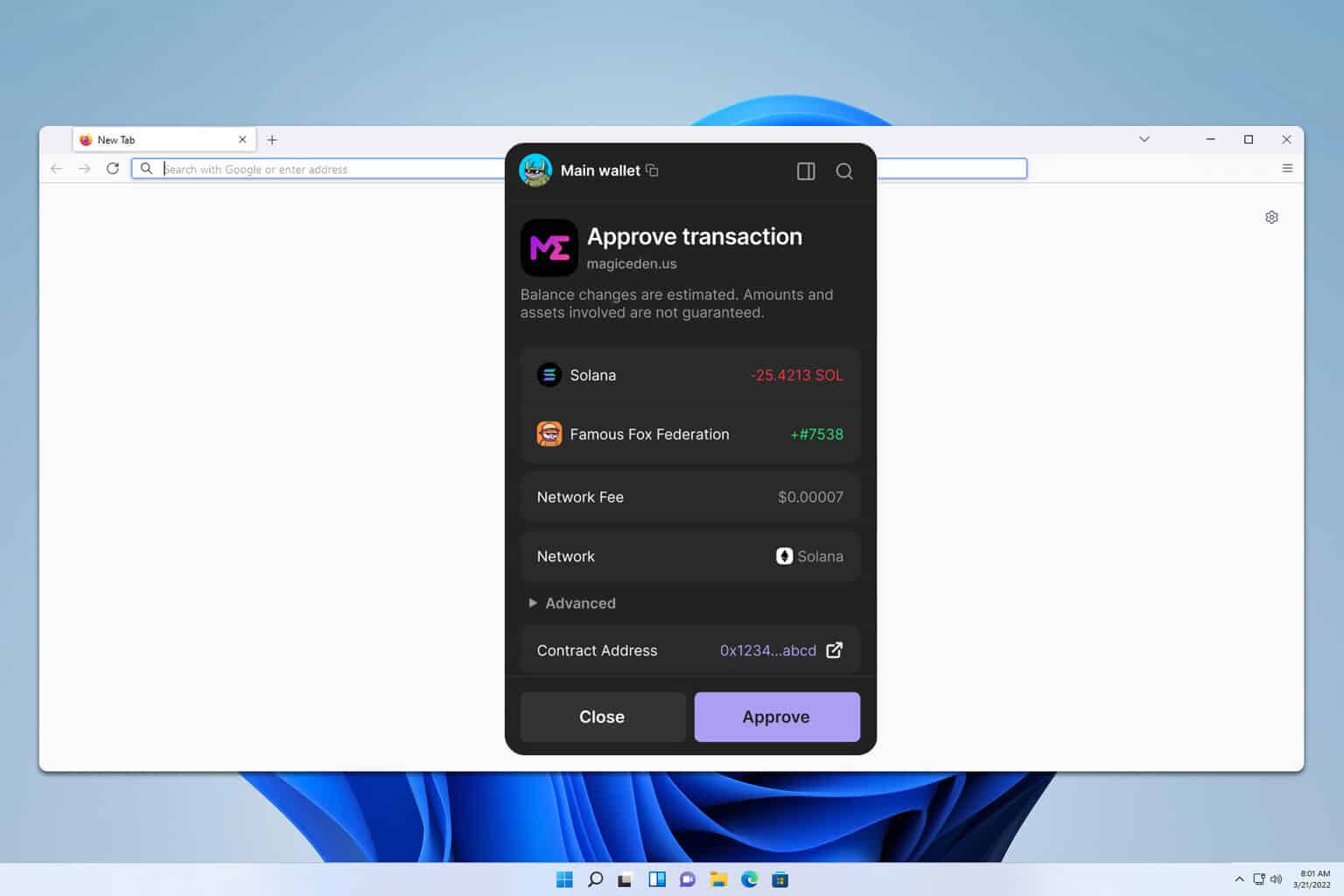
I appreciate Phantom’s attention to microcopy and confirmations. They often explain why you’re asked to approve something. But I’m not 100% sure about every third-party wallet integration; some dapps request wide scopes and Phantom doesn’t automatically block everything, which means user vigilance is still the first and last line of defense. Use the transaction preview, expand details, and if it looks odd, stop.
My instinct said pause.
If you ever copy a seed phrase into an online form, that’s game over. Use air-gapped devices or hardware wallets for large keys. On one hand hardware is an extra expense and sometimes inconvenient, though actually the peace of mind it buys when paired with a reputable extension like Phantom is worth it for serious users. Even so, many folks will be fine with the extension alone if they follow basic safety steps.
I’m biased, sure.
I build in public and I like tools that nudge good behavior. Phantom isn’t perfect — it has tradeoffs. Initially I thought every wallet should be as minimal as possible, but after months of daily use I realized that thoughtful friction (like clear confirmations) can prevent mistakes that would otherwise cost real money, so design that protects users is worth slightly more complexity. This changed how I evaluate extensions. Anyway, try it smart.
Frequently Asked Questions
Is Phantom free?
Yes, Phantom is free to install and use for basic features; you pay network fees for transactions. For larger trades or custodial services you might face different fees, but the extension itself doesn’t charge subscription fees.
Can I recover my wallet if I lose my device?
Yes, if you securely backed up your recovery seed. Treat that phrase like your highest-value secret — write it down, store offline, and don’t type it into random websites. I’m not 100% sure a single method covers all threat models, but hardware plus written backups covers most.
Should I use Phantom for NFTs?
Absolutely — Phantom’s built-in gallery and transfer UX are excellent for everyday collectors. For high-value NFTs pair it with hardware storage strategies and always verify contract interactions before approving.